Paris - Cambridge 2.
Location: England
Duration: 14 days
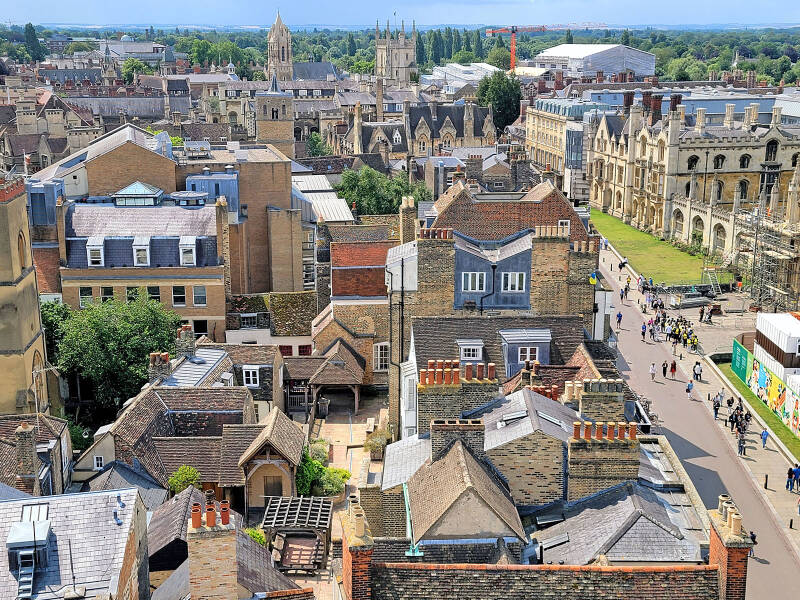
The move from France to England marked the beginning of the second part of our journey. It was completely different in pace, intensity, and purpose. This time, the trip revolved around Arseny’s studies. We settled in one place for an extended stay, spent our days working, cooked at home, used public transportation, and only rented a car for the weekends. In other words, in England we felt less like tourists and more like observers of everyday local life.
Luckily, in England you can see and experience a great deal without being particularly active travelers.
When we arrived, we had a few days to help Arseny get his bearings — to figure out where everything was in relation to his college: cafés, shops, markets, and so on. Everything turned out to be much easier than I had expected — Christ’s College in Cambridge is located right in the very heart of the city, as central as it could possibly be.
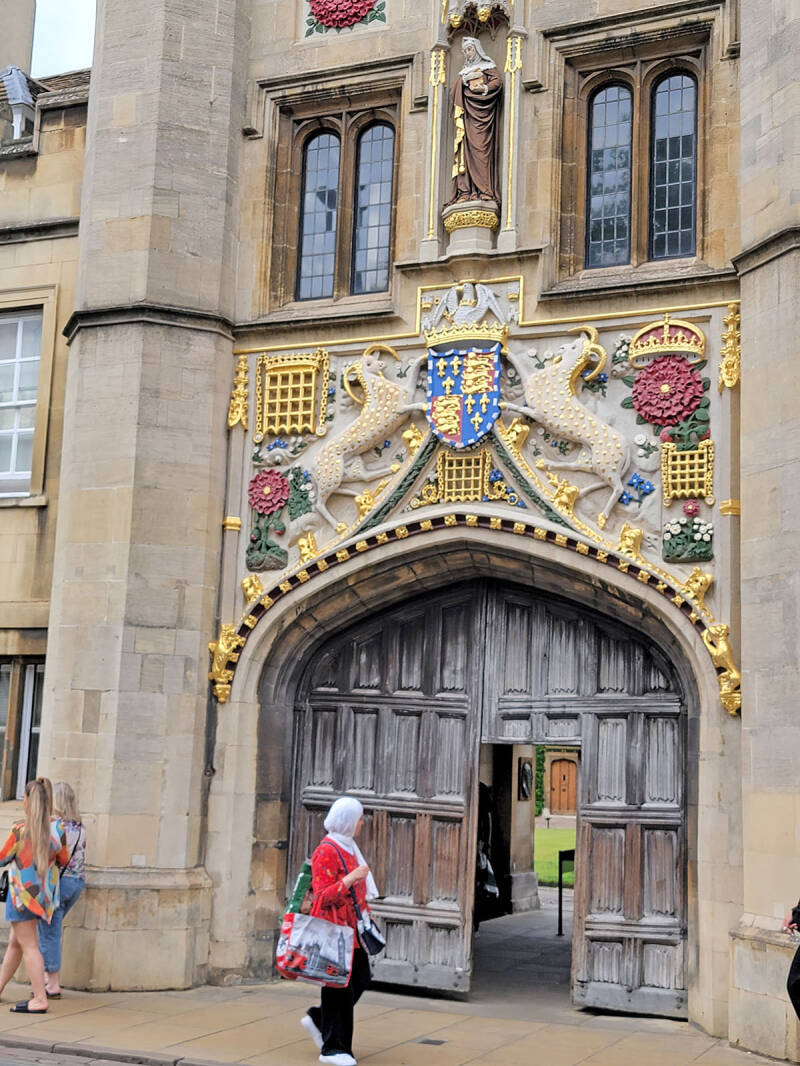
And cafés and restaurants are packed around it so densely that you could have lunch somewhere different every day for two weeks without going more than five hundred meters from the college. And, of course, there was no way we could pass up the central market.
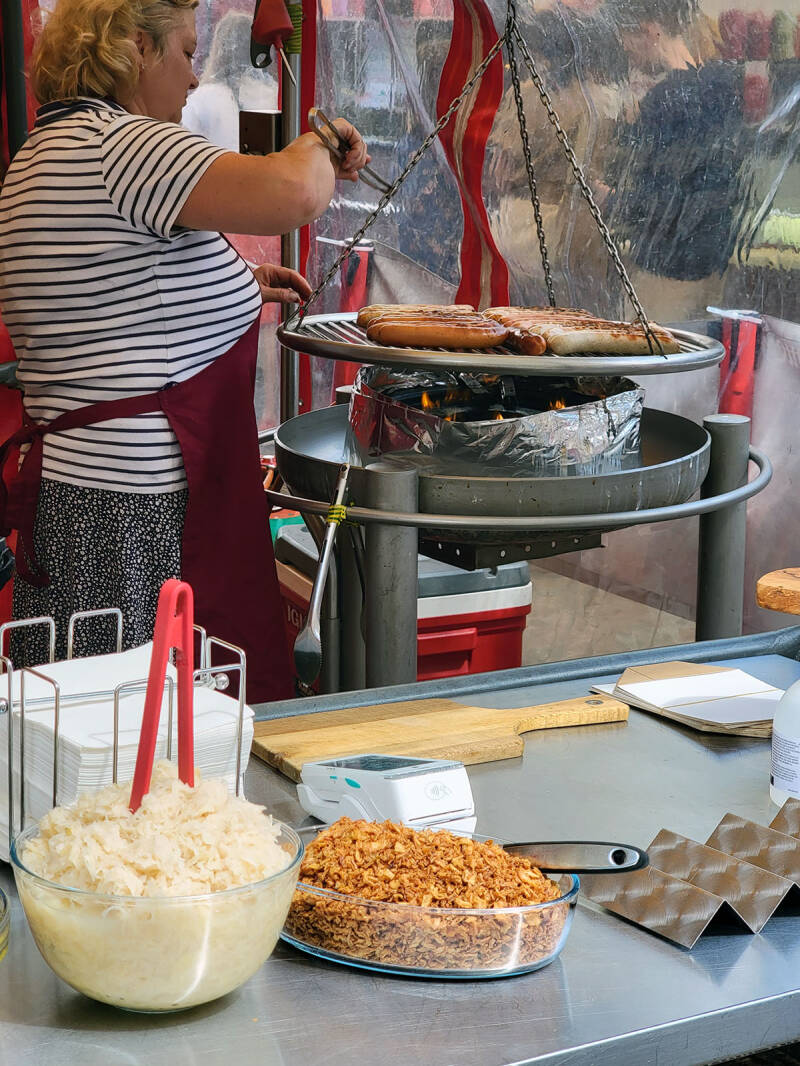
Breakfast and dinner were included in the program, while lunchtime was left free. I naively assumed that Arseny would want to come across the river and have lunch with us. But from the very first day, Arseny made a best friend on the program, so we barely saw him at all.
Still, we spent the first few days together, like tourists.
In general, Cambridge is quite a compact little city, roughly divided by the river into a student side and a residential side.
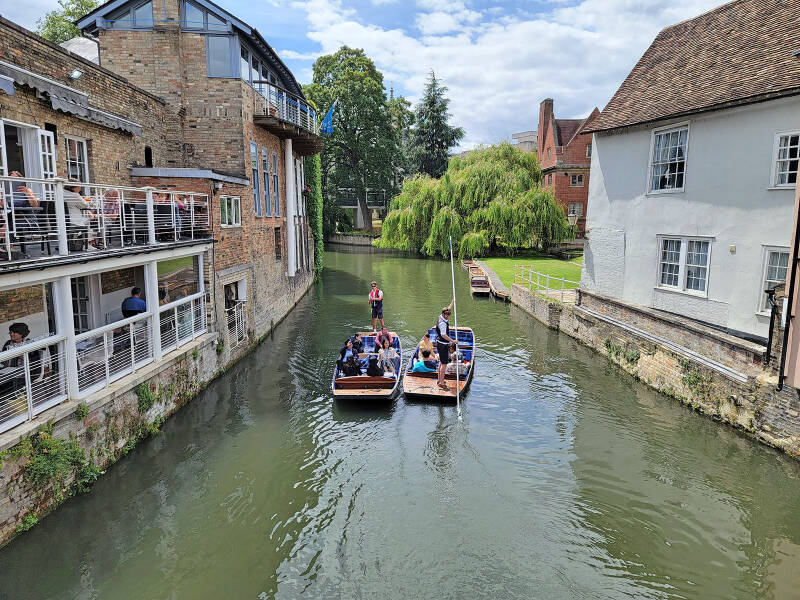
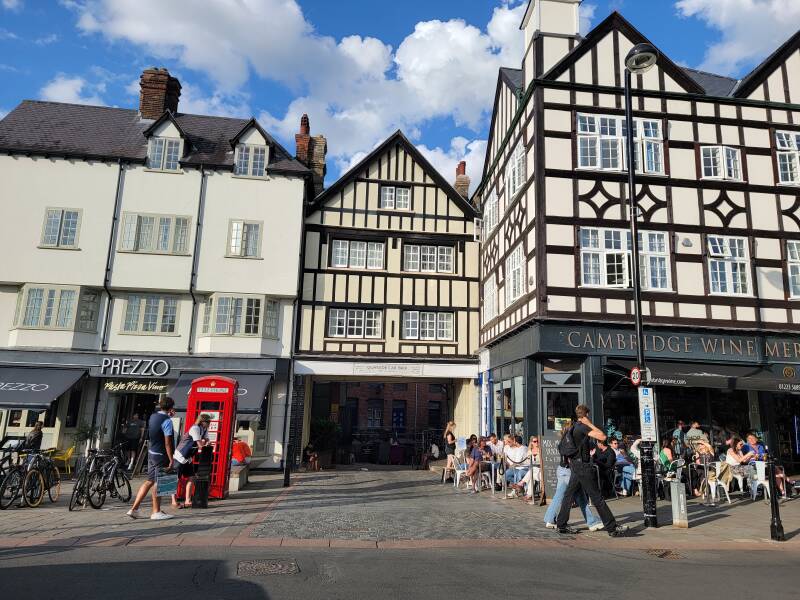
From the very first days, we started exploring both sides on foot. The student area is always bustling, packed with tourists, students, and prospective students from all over the world.
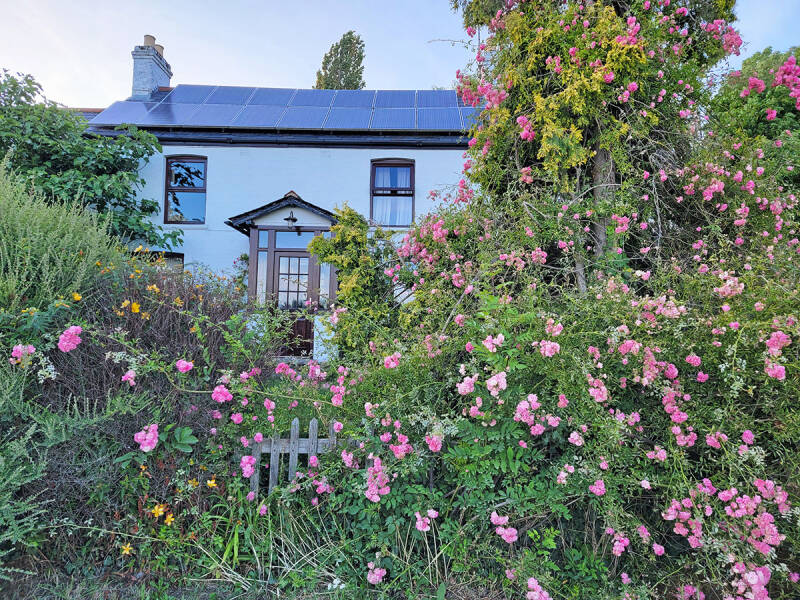
The residential side, by contrast, is quiet and pleasant, filled with the fragrance of roses and other flowers blooming in every front garden.
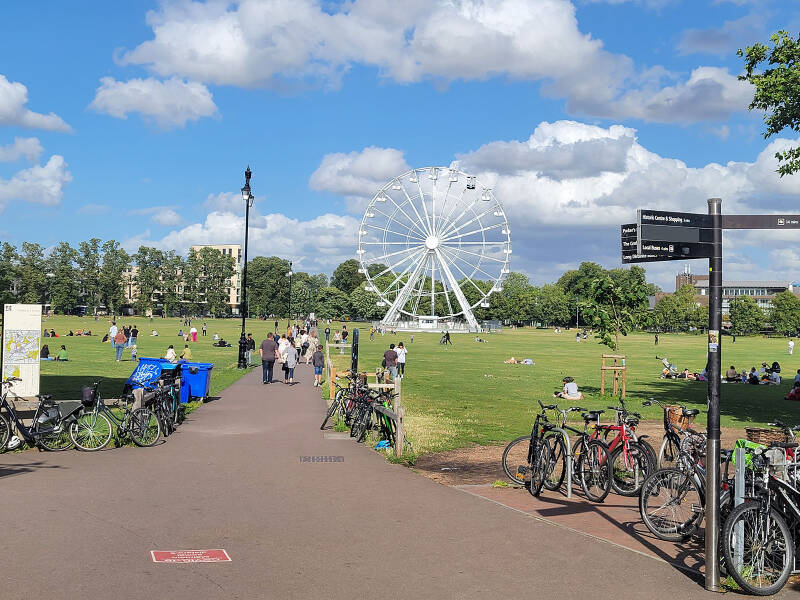
The locals mostly get around the city by bike.
Most of these residents are connected with one of Cambridge’s colleges in one way or another.
As Peter Zager aptly put it: “Oxford is a city with a university, while Cambridge is a university dragging a small town behind it.” (Oxford and Cambridge: An Enduring History).
Relations between the townspeople and the students have by no means always been peaceful. If you enjoy historical mysteries, Susanna Gregory has a wonderful series, The Matthew Bartholomew Chronicles. In A Plague on Both Your Houses, she vividly describes one of the serious clashes between the townspeople and the students that actually took place on the eve of the Black Death’s arrival in England in 1348. The entire book is set in Cambridge and gives a remarkably detailed picture of everyday life for students and teachers. (And if you happen to enjoy reading about medieval plagues, then you absolutely must read John Kelly — but that’s just an aside.)
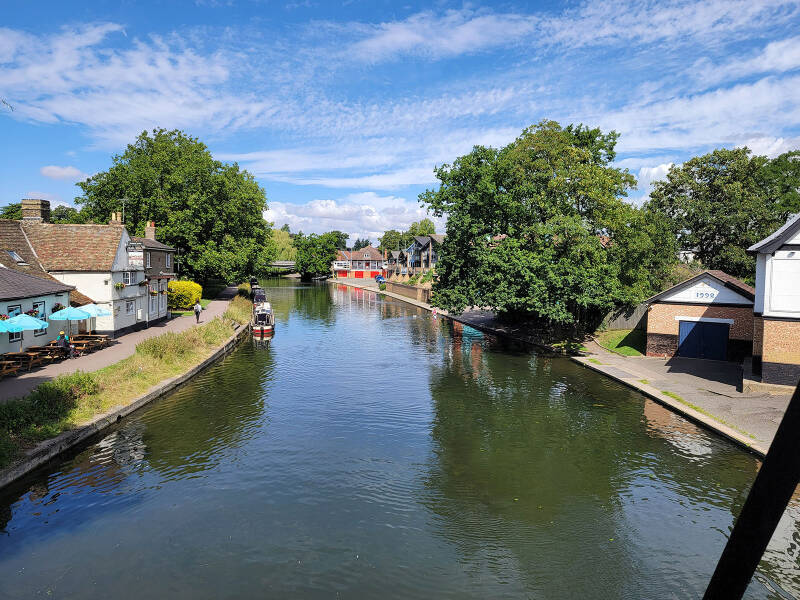
During our two weeks in Cambridge, we must have crossed the River Cam hundreds of times, at every possible point and over every bridge we could find.
So, during our first few days, we managed to visit:
The Museum of Cambridge — a small, modest 16th-century house with its original uneven floors and crooked walls, as well as dried-out timber beams that you have to duck under even if you’re as short as I am.
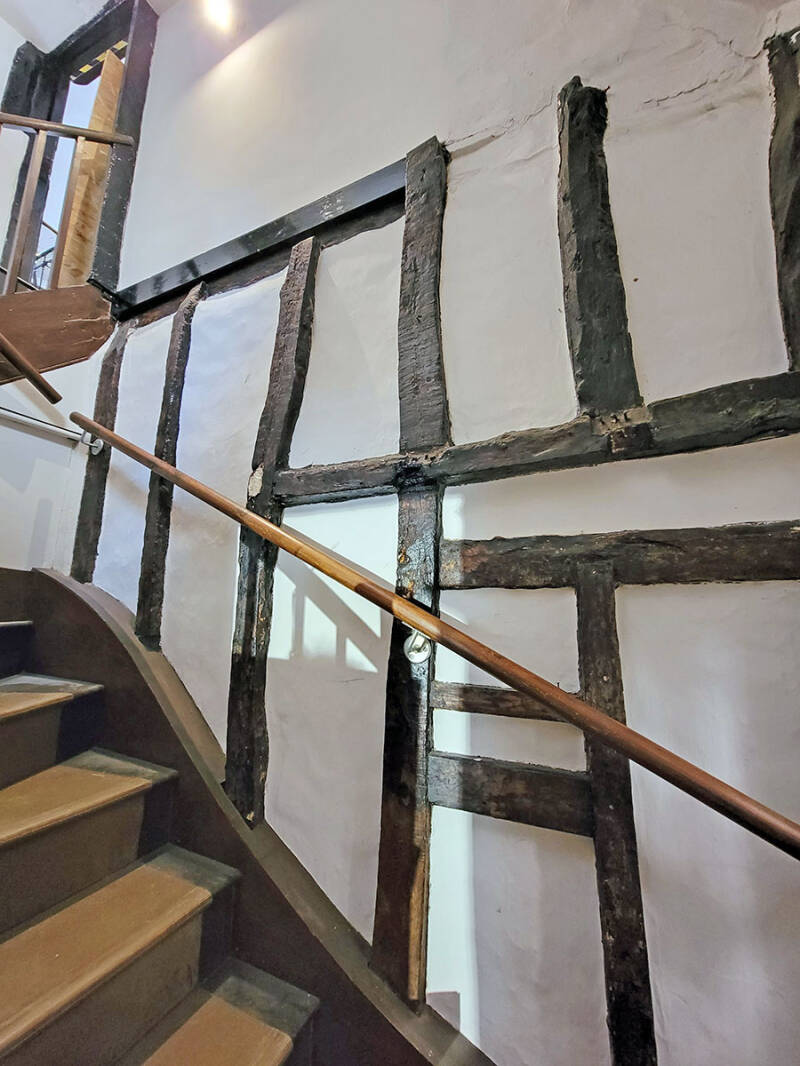
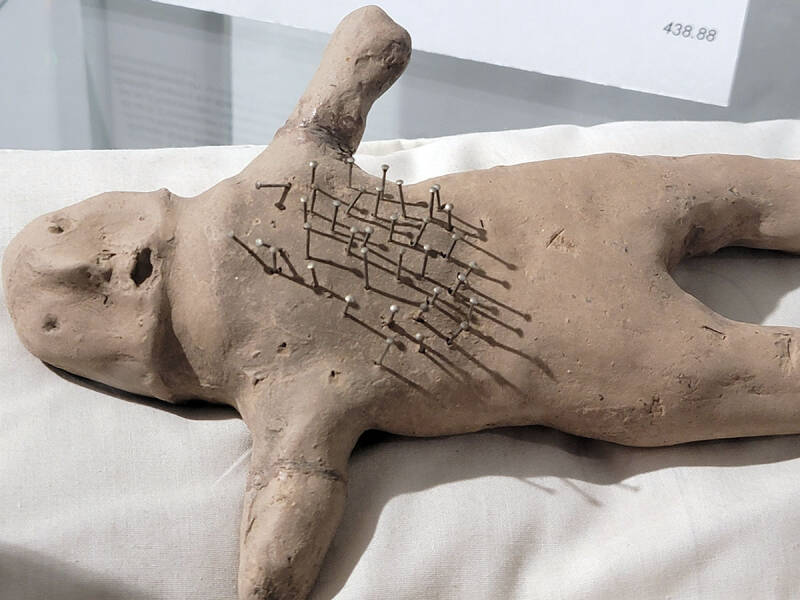
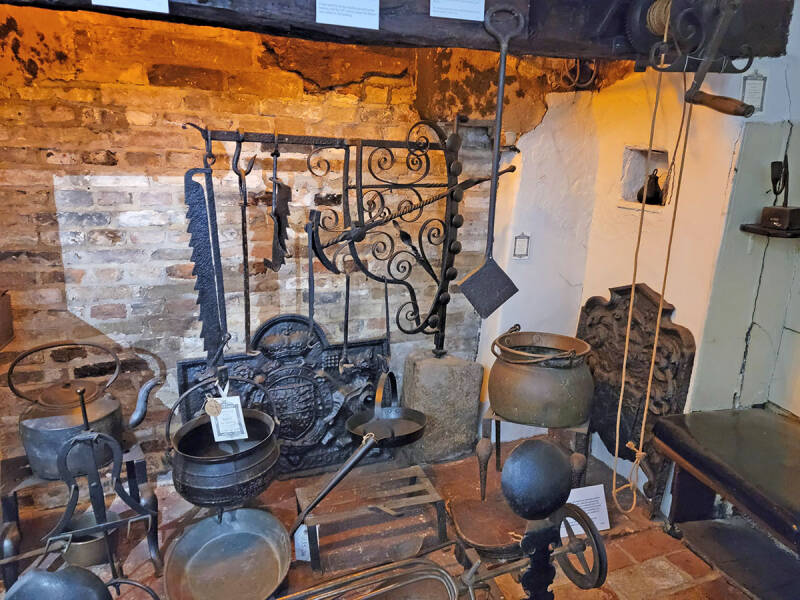
It has a wonderful atmosphere, presenting Cambridge not as a mecca for students, but as a small residential town with its own gossip, myths, stories, and intrigues.
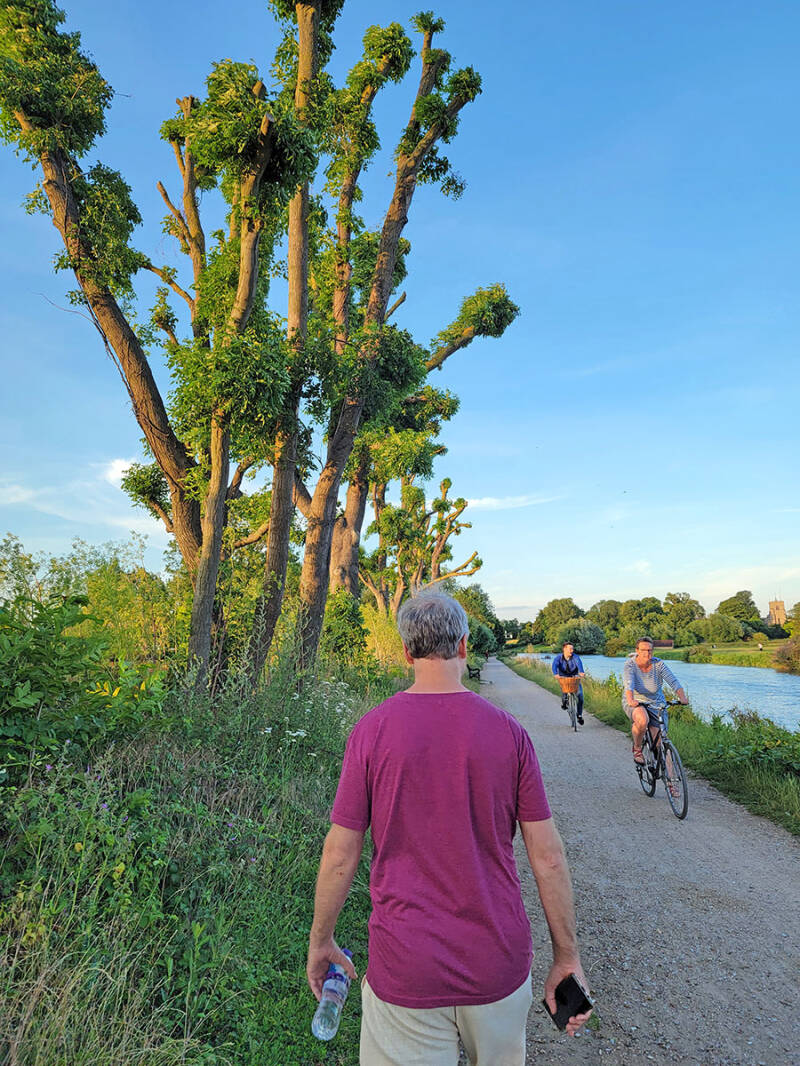
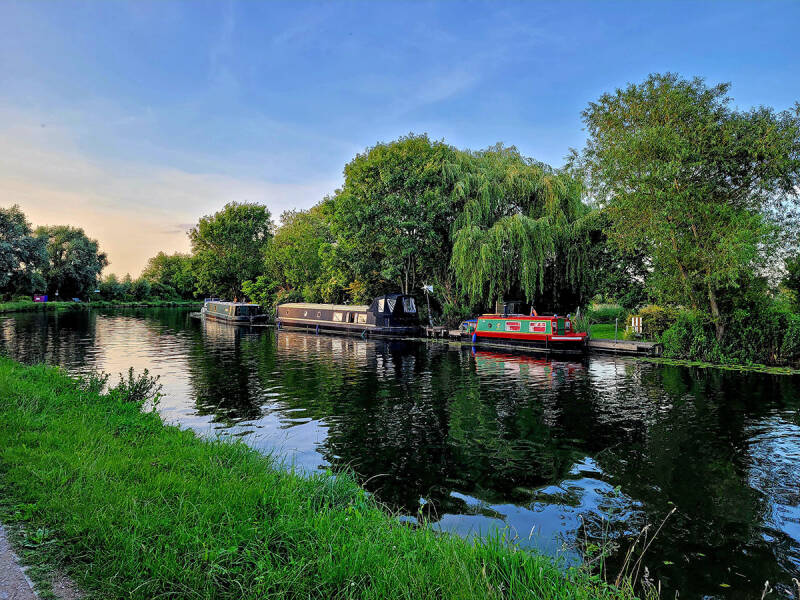
We had already been punting on our previous visit to Cambridge, and Arseny’s program included not only guided punting excursions but also learning to handle the boats himself. So this time, we skipped it. Instead, we found a few lovely pastoral trails and went for walks along them.
And just before the program began, we all went to Windsor Castle together — an absolutely magnificent place with a thousand-year history.
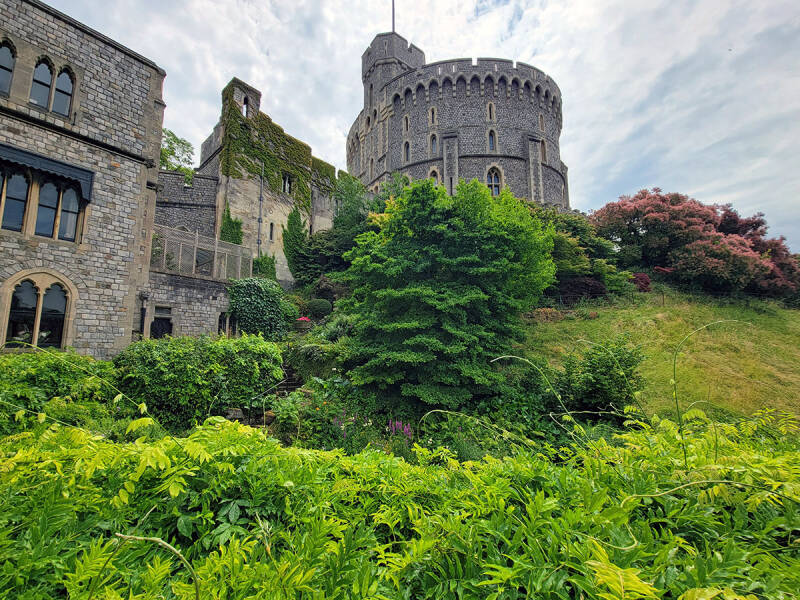
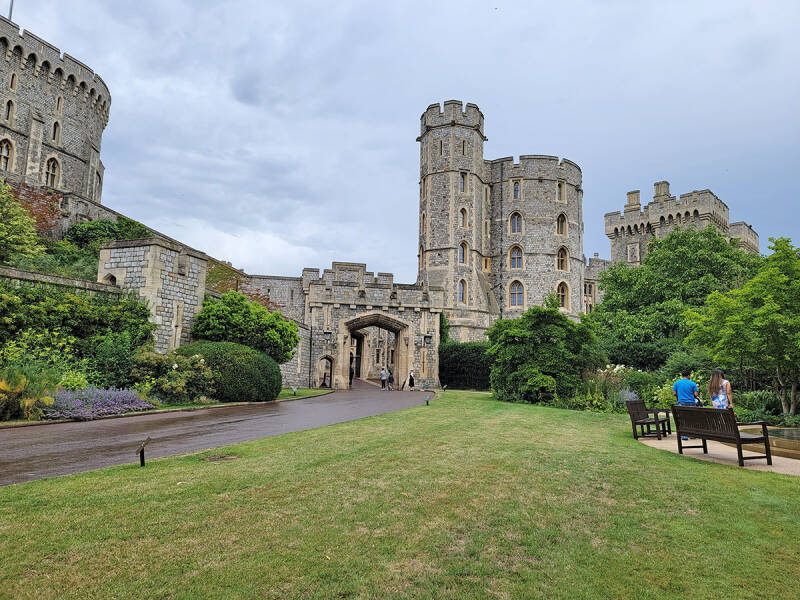
Of course, photography inside is, naturally, not allowed.
And here is my stupid brain in all its glory: if I don’t take photographs, I can’t even remember everything I’ve seen. Of course, I won’t forget the place where Queen Elizabeth II is buried, or Henry VIII and Jane Seymour, but there were so many things there that genuinely amazed me. And now, a couple of months later, I simply can’t remember what they were. It’s awful.
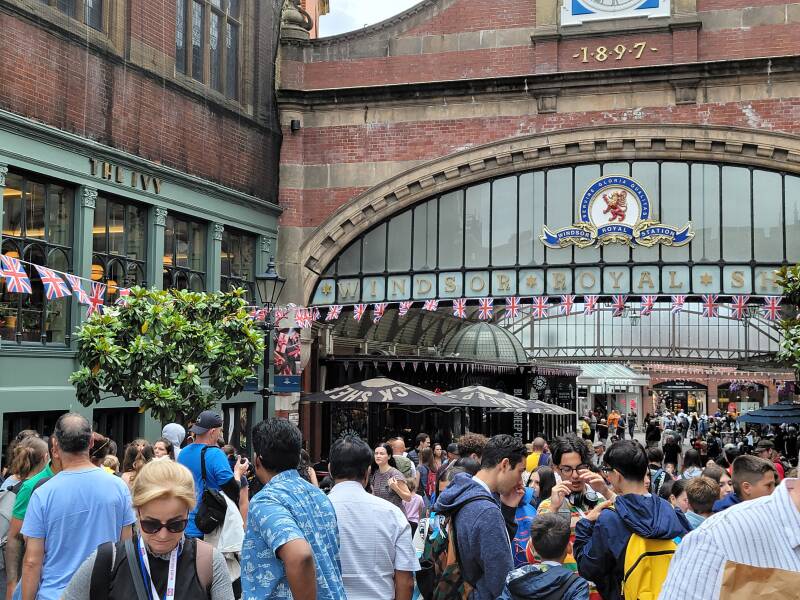
The town of Windsor itself, meanwhile, is packed with tourists and feels rather uncomfortable:
Before the program started, we also had an important errand to run in the northern outskirts of London, where we took the opportunity to go for a little walk.
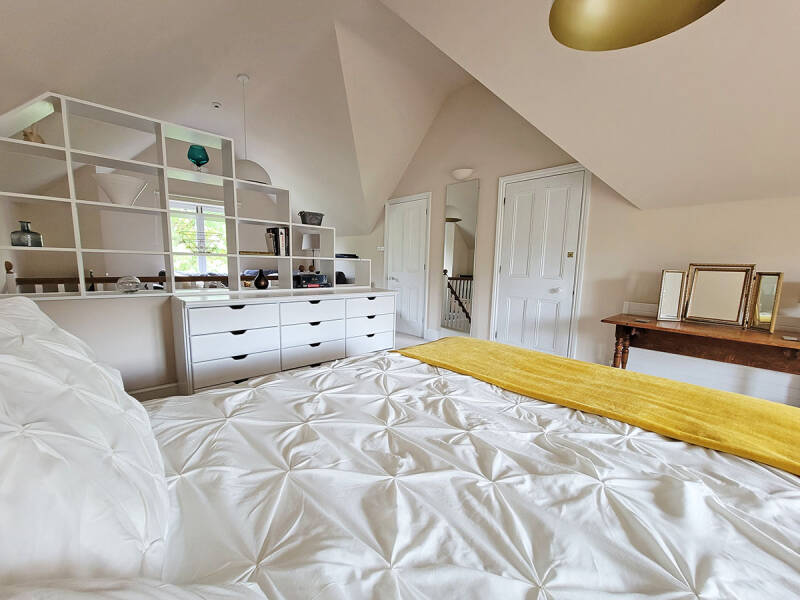
Then Sunday came, and it was time for Arseny to move into his dorm. Ilya and I were left on our own in the apartment on the residential side of the city.
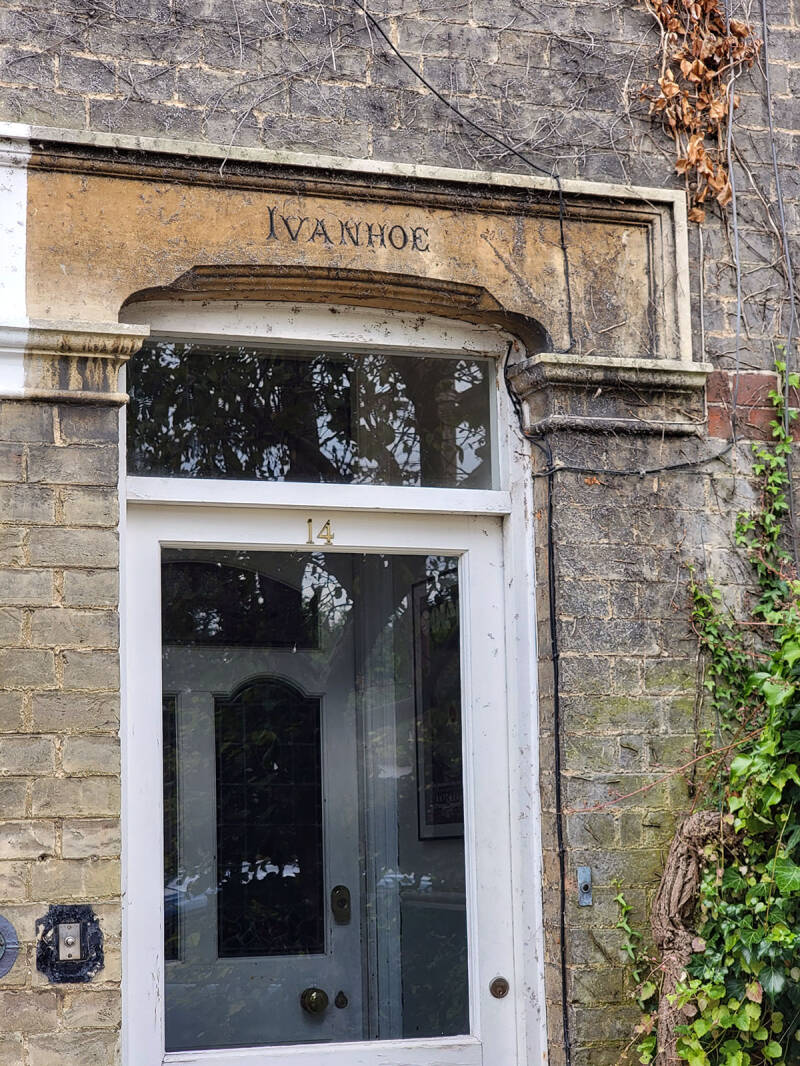
Our neighbor is Ivanhoe. :)
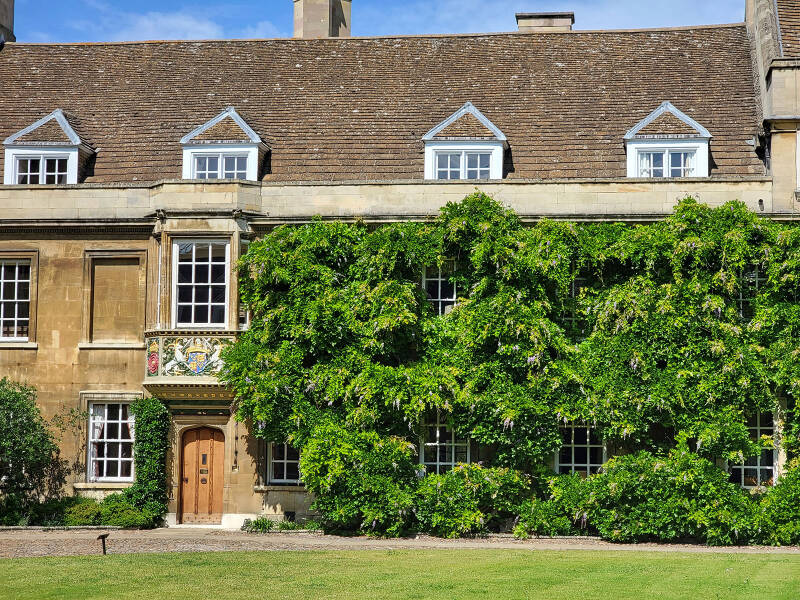
The building where Arseny’s group was housed could hardly be called a dorm.
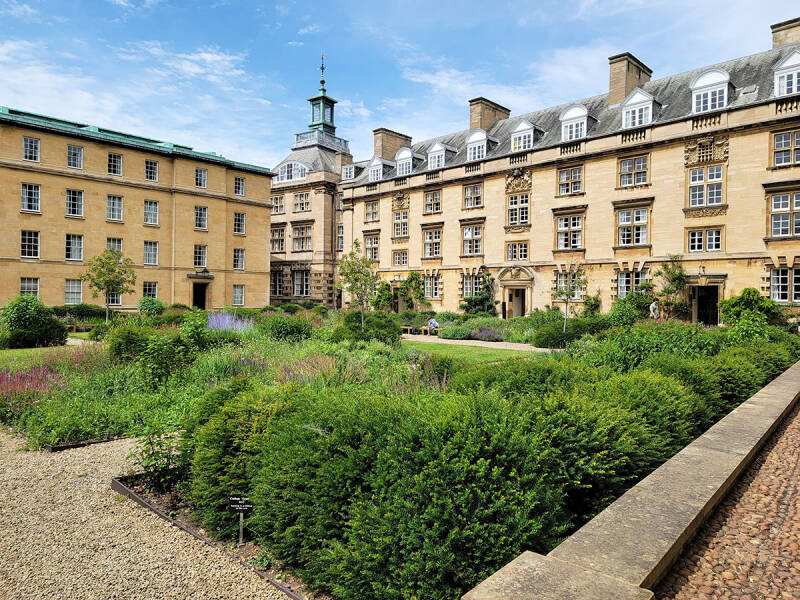
The single rooms are quite basic, but very spacious and with a good view. According to Arseny, for the entire two weeks he would leave his room before 8 a.m. for breakfast and return around 10 p.m. — basically just in time for bed.
The daily lectures and seminars lasted about six hours, followed by excursions to museums and other sights, then some outdoor physical activities — boating, running, various fun competitions, and so on. Before bed, there were games, contests, scavenger hunts, movies. The tiny islands of free time he had were spent with the other kids in the college gardens or around town. He would get back to his room at 10 and immediately pass out. (During the last few days of the program, he would return at 10 and then work on his final project until 1 a.m.)
The current King of England, Charles, by the way, also attended Cambridge, Trinity College. (On our previous visit, we were told that Elizabeth II had had to pull a few strings to get him admitted.) There is a story that, when a group of his fellow students were discussing what they wanted to become after college, Charles modestly remarked that he would like to become King of Europe one day.
Christ’s College, where Arseny was staying, was also the alma mater of Darwin.
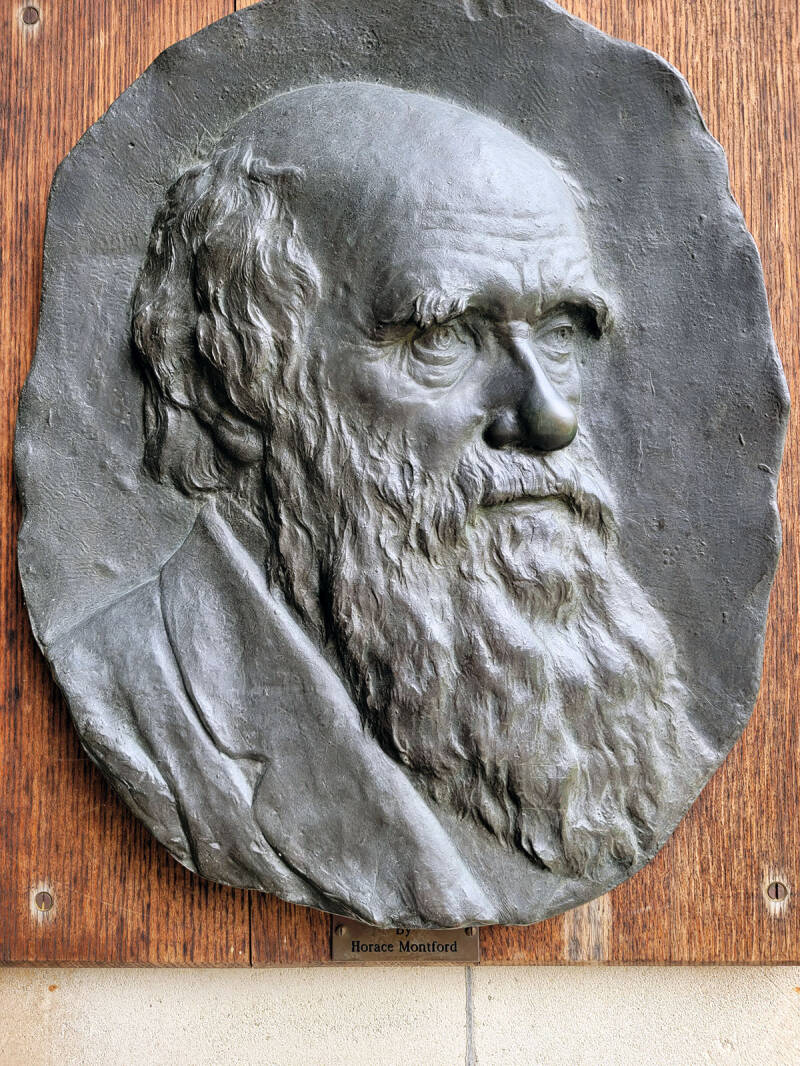
The story I found most memorable was the one about Darwin. While studying here, he spotted an unfamiliar species of beetle on a tree and grabbed it with one hand, then immediately spotted another and grabbed that one too. When a third beetle appeared, he had no hands left, but letting his prize escape was unthinkable, so Darwin put the first beetle in his mouth. The beetle promptly squirted acid into his mouth, and Darwin had to give up.
Once we were on our own, Ilya and I decided to visit a couple of colleges a day, more or less, and also take the trains to some of the nearby towns.
We started with King’s College and its chapel.
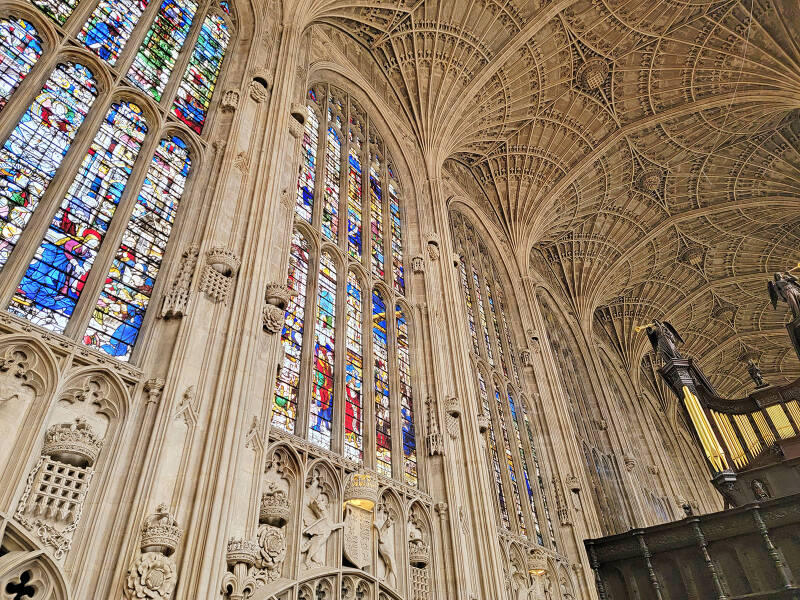
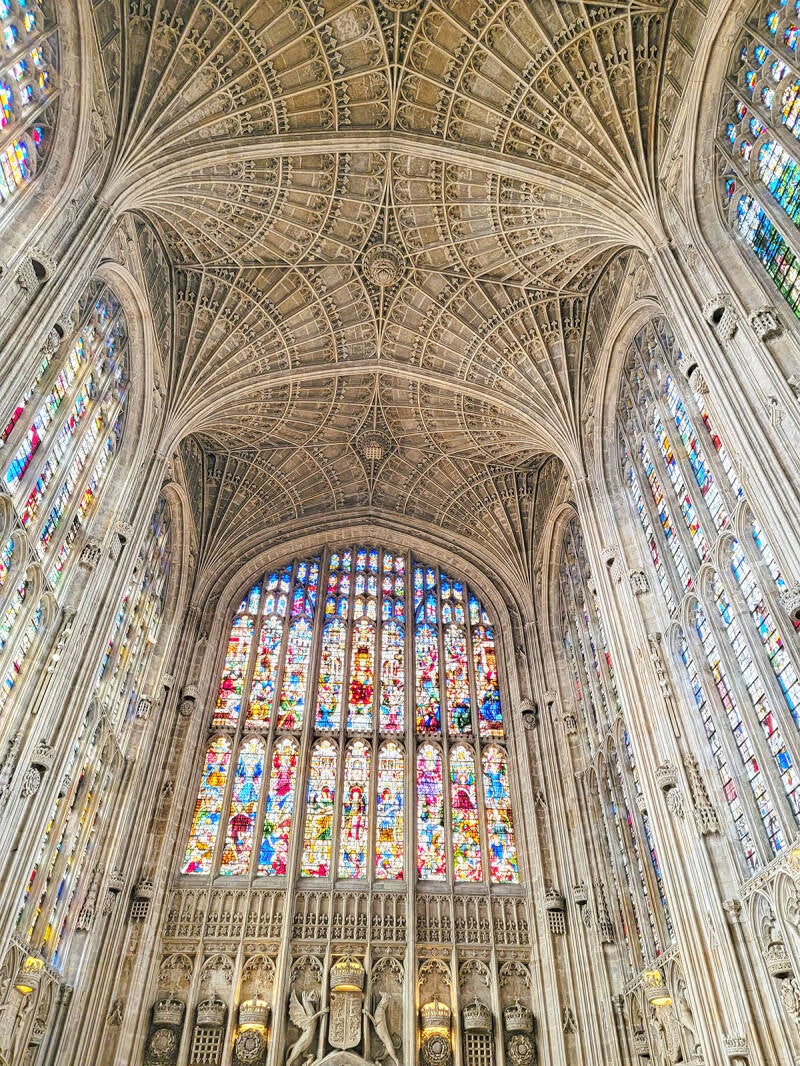
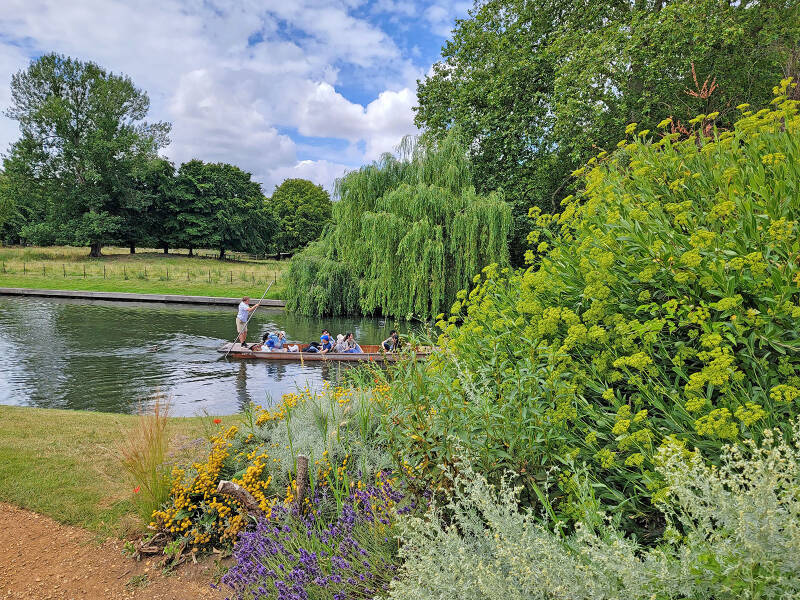
A path through the college grounds winds through wild meadows toward the river, and once you cross the bridge, you find yourself among fields with cows. It’s an absolutely idyllic pastoral scene.
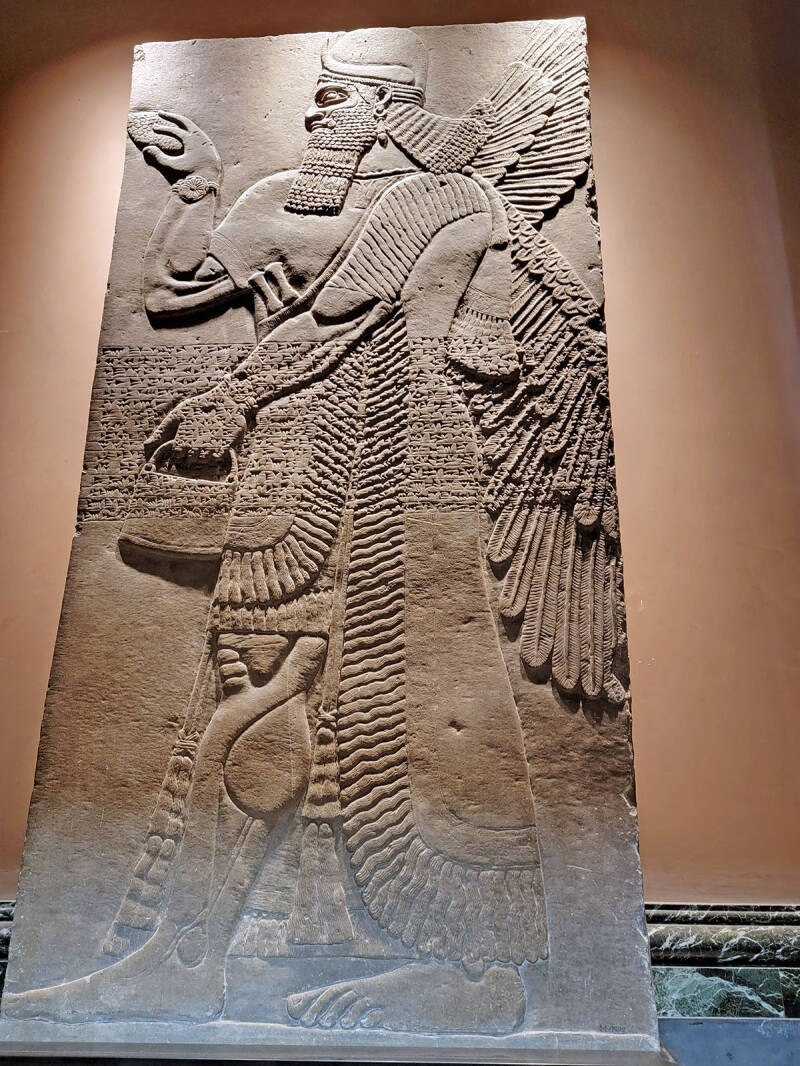
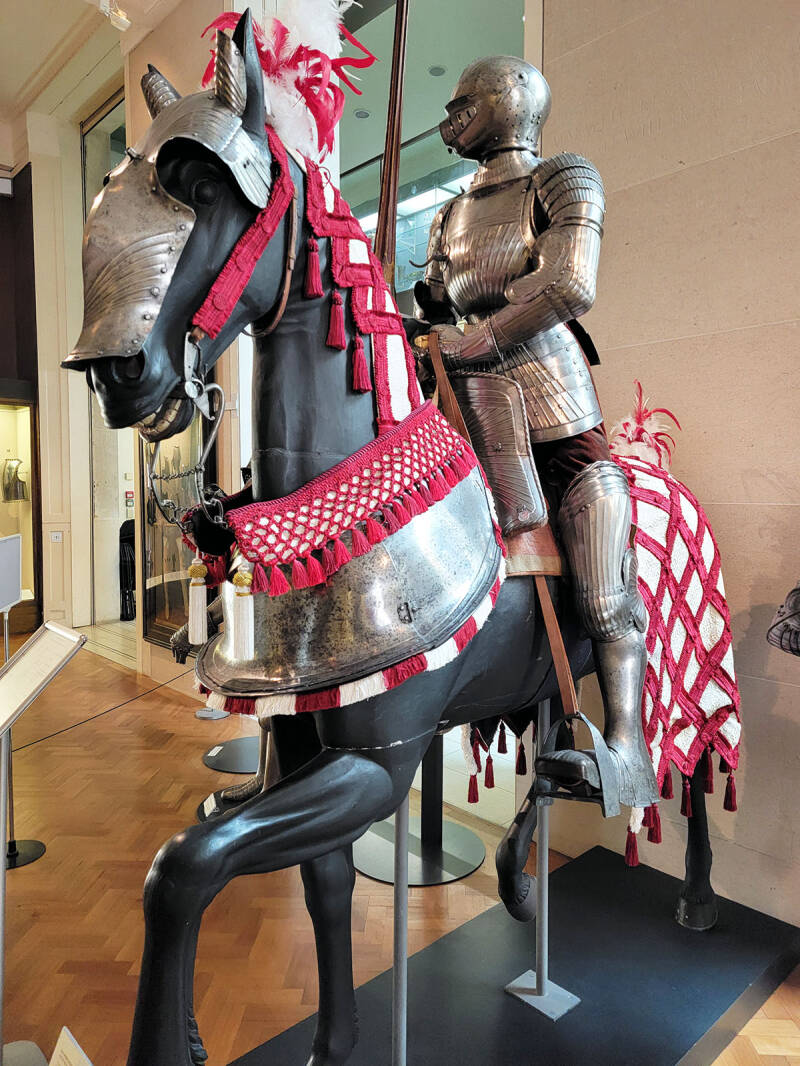
We visited the Fitzwilliam Museum — absolutely fantastic.
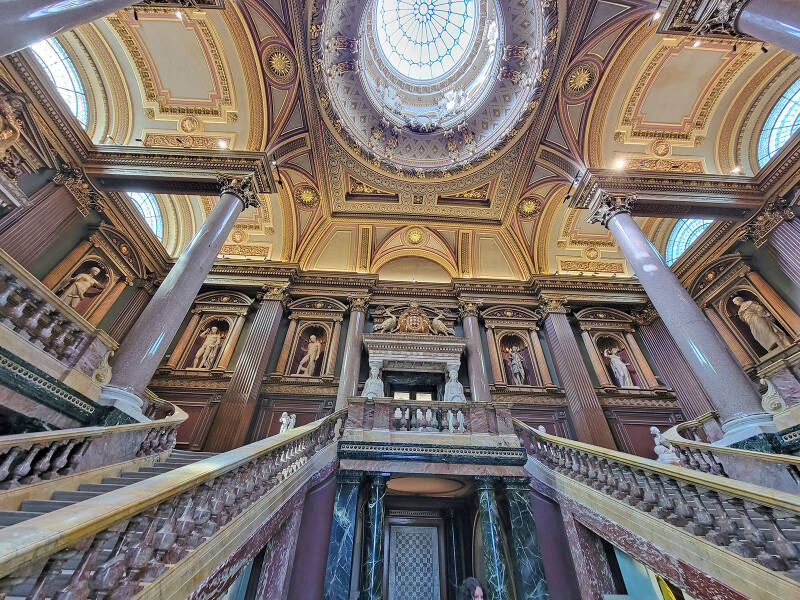
It has everything — from my beloved ancient Assyrian gods with watches
…to medieval knights.
…and Italian paintings
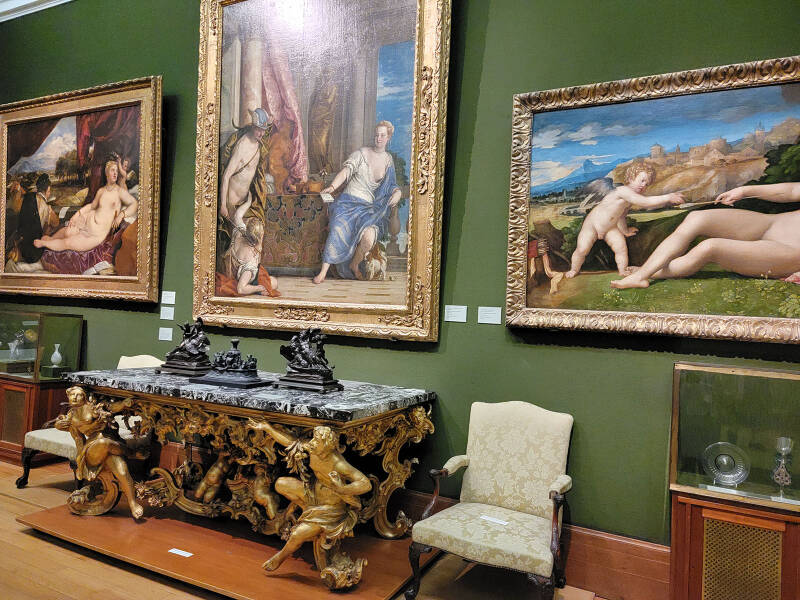
A remarkably rich museum, especially considering how compact it is.
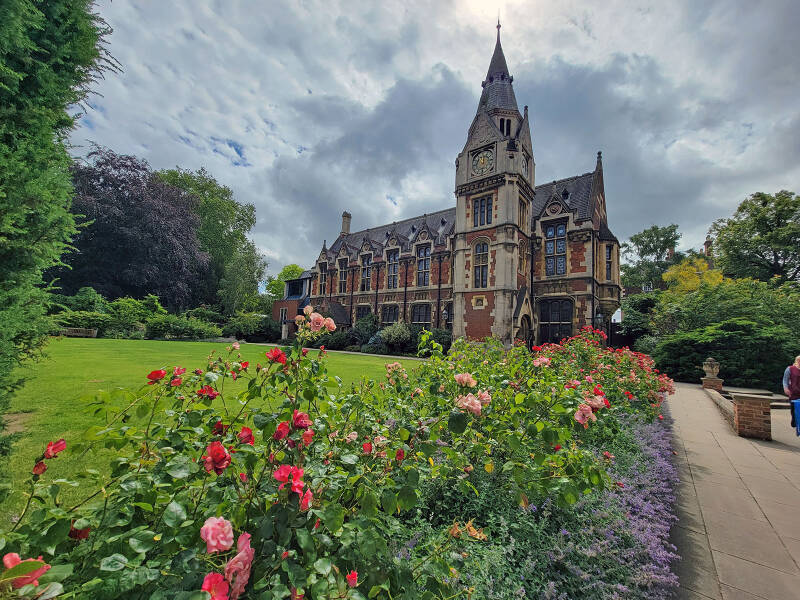
We also stopped by Pembroke College and Corpus Christi.
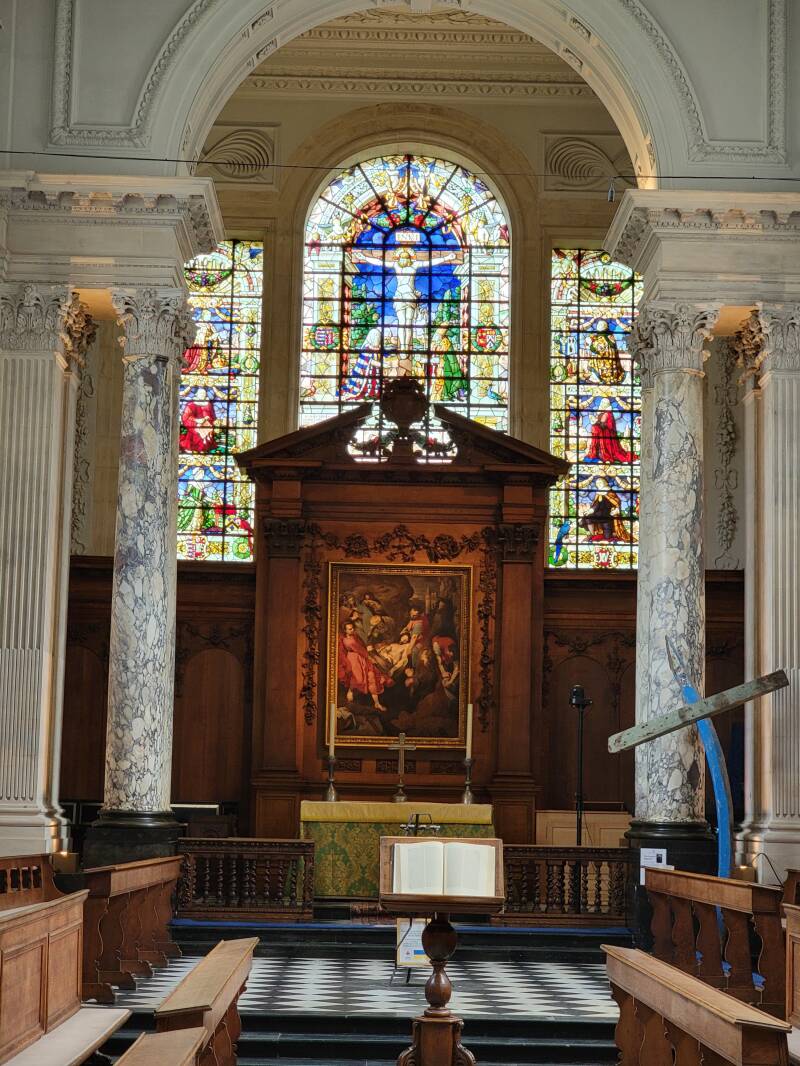
One day, we took the train to the nearby town of Ely to see its cathedral. The town seems to revolve entirely around its incredibly ancient and incredibly beautiful cathedral. Wikipedia even classifies Ely as a “cathedral city.” As in many old towns, the central streets radiate out from the cathedral like spokes.
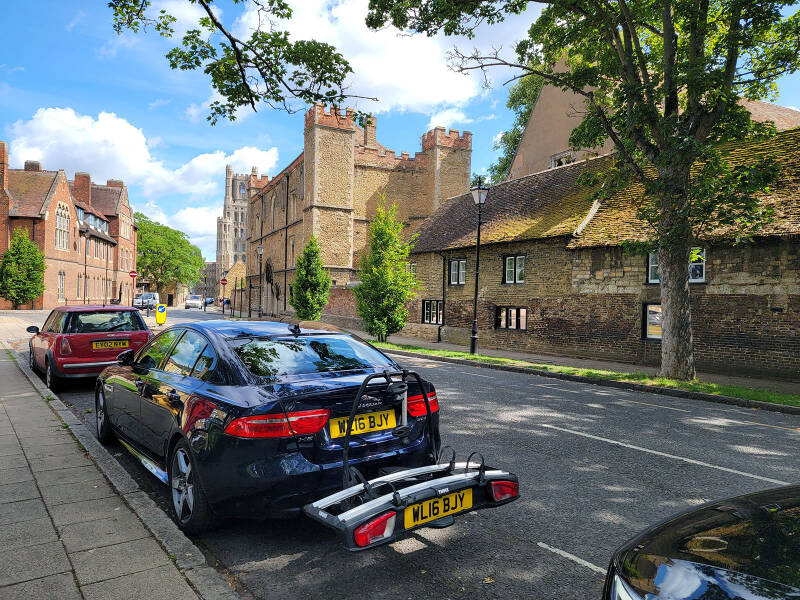
Until the 17th century, Ely was practically an island rising above the surrounding lakes and marshes. The cathedral was founded in 672 by St. Æthelthryth (Audrey), and she is buried there alongside her sister, St. Wihtburh. In the 9th century, the cathedral was badly damaged by Viking raids — the very same Vikings I wrote about in my account of our trip to Norway. So most of what we see today was built after the Viking age.
The story of St. Æthelthryth is a fairly familiar Christian tale: a married virgin who chose to devote herself to Christ, complete with miracles occurring when she tried to avoid her marital duties, and so on. In fact, this family produced more saints and martyrs than ordinary people. Sisters, nephews, and God knows who else.
The cathedral is magnificent:
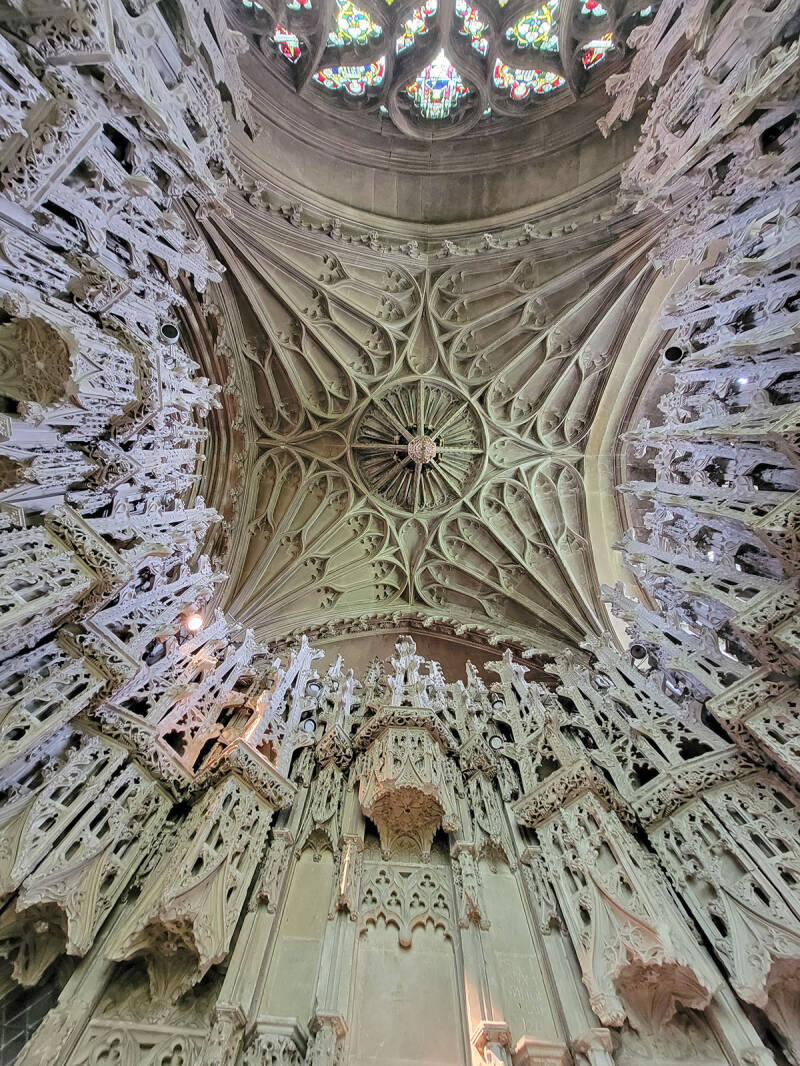
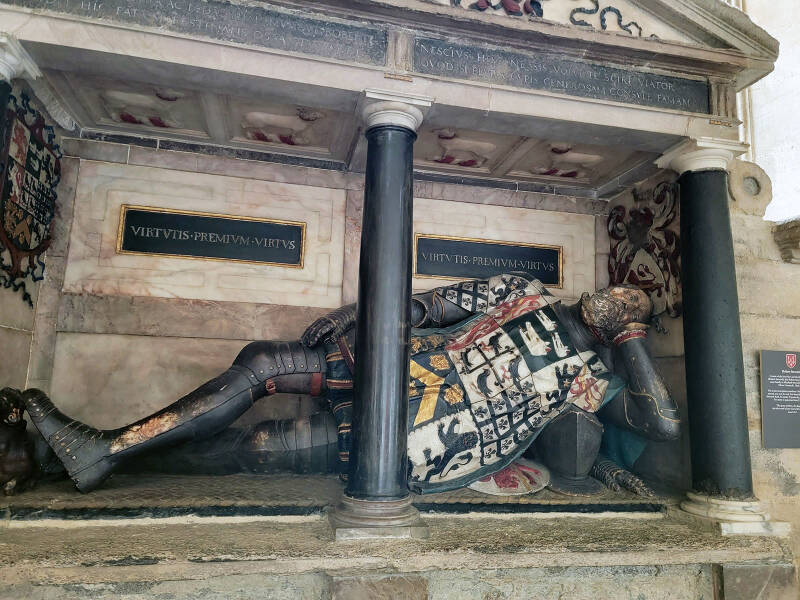
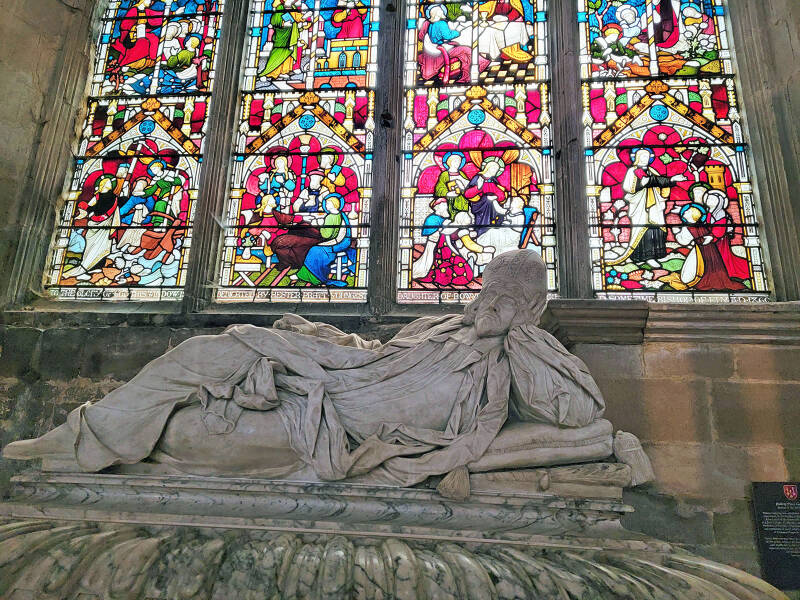
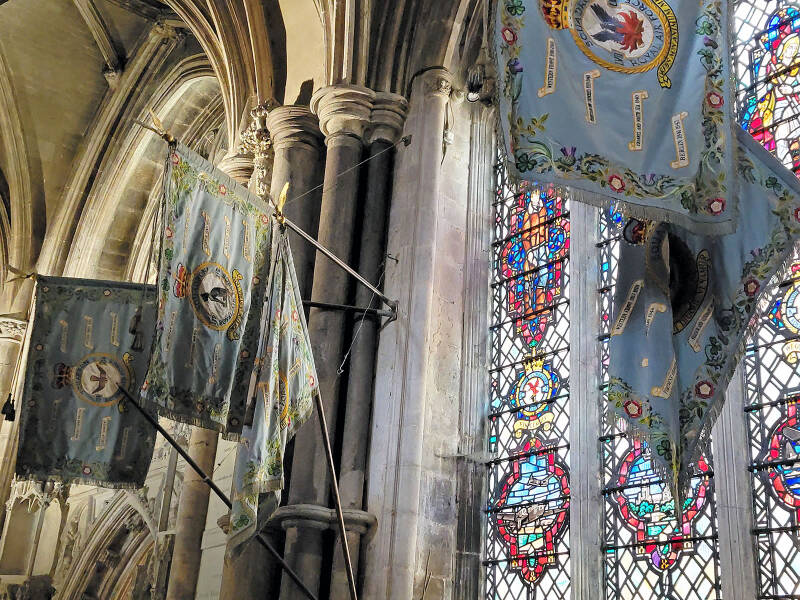
My favorite flags, of course:
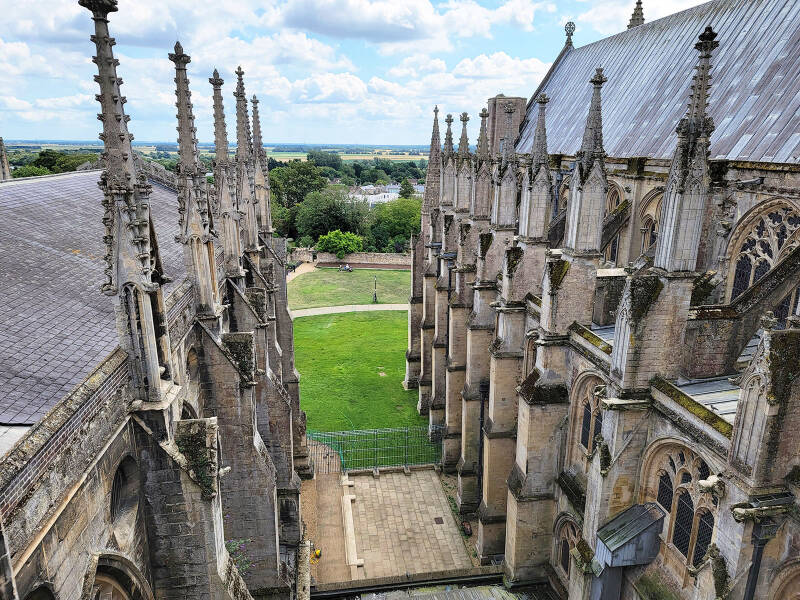
One of the cathedral’s unique attractions for visitors is that you can climb all the way up to the roof and under the cathedral’s dome to see how everything is constructed.
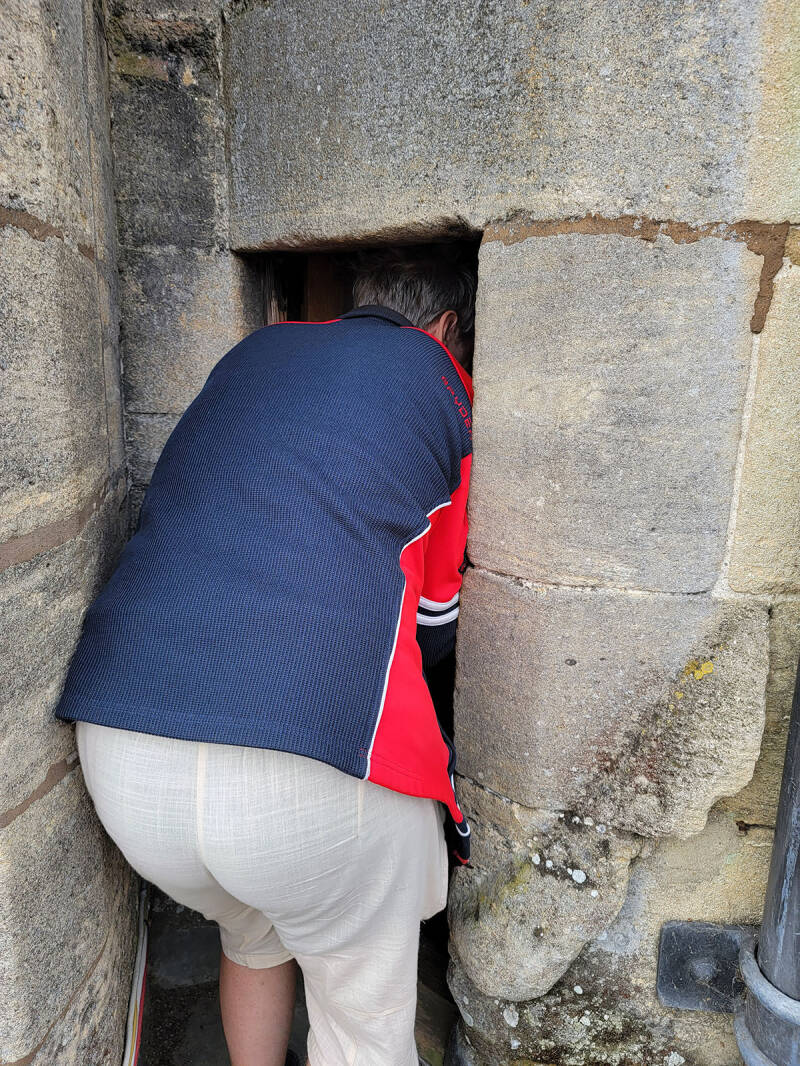
That’s not Ilyusha being wide — the passages leading up are just that narrow. :)
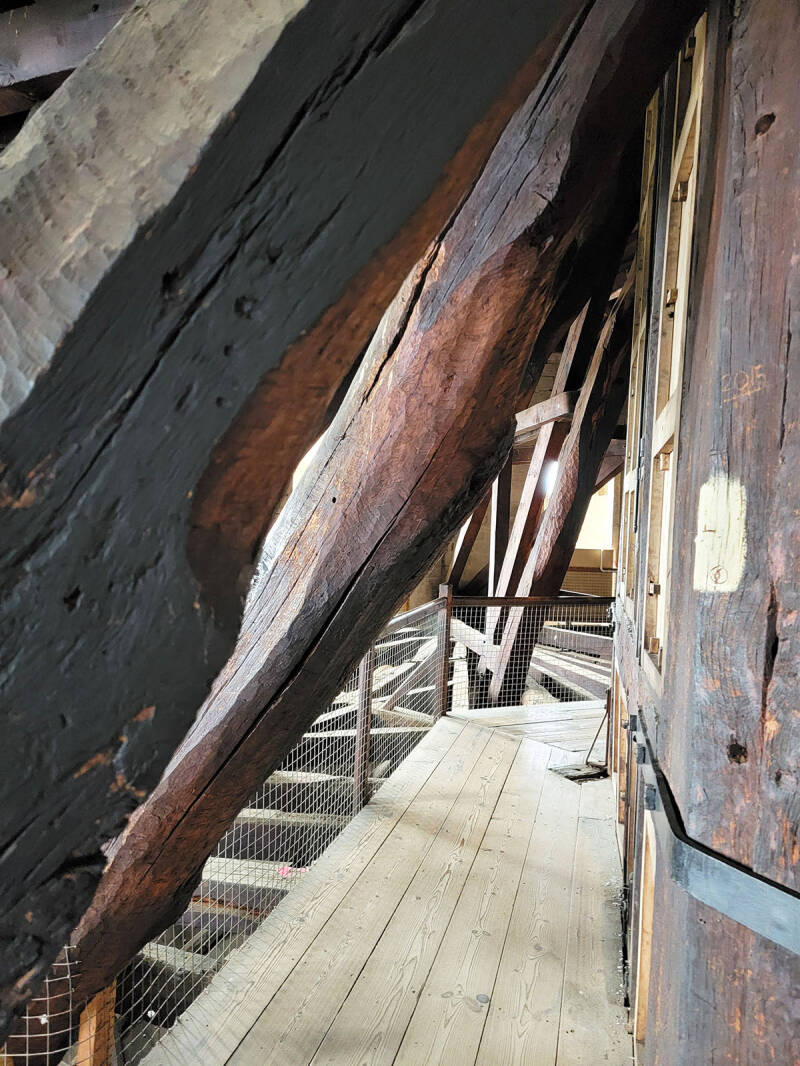
Up there, you can see the enormous thousand-year-old trees that were used to construct the roof. They’re so ancient that they’ve practically turned to stone.
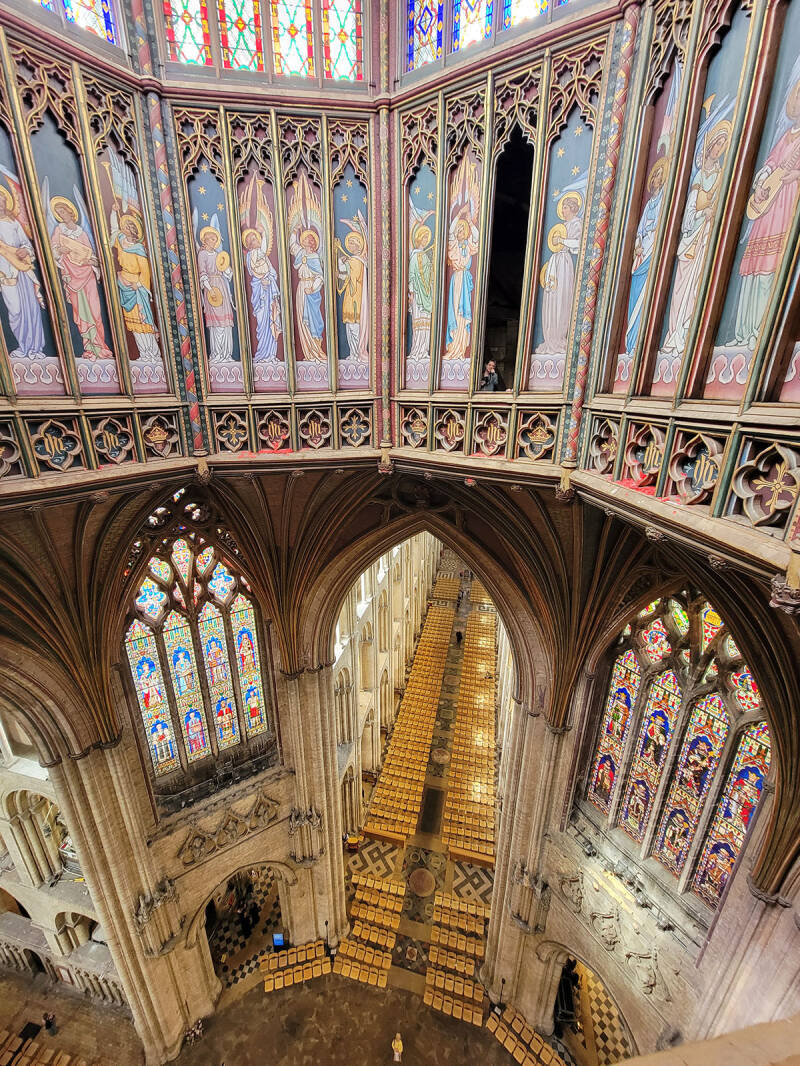
Up above, there are little windows that allow the choir singers to position themselves so that their voices pour down from above like the singing of angels from heaven. The acoustics up there are extraordinary. And down there are the tiny rows of chairs for the congregation.
From the roof of the cathedral, you can see part of Oliver Cromwell’s house. I wanted to visit it, but we were running late for our train and didn’t make it there. So I’ll skip the story about his head and his ghost in Cambridge for now. Another time.
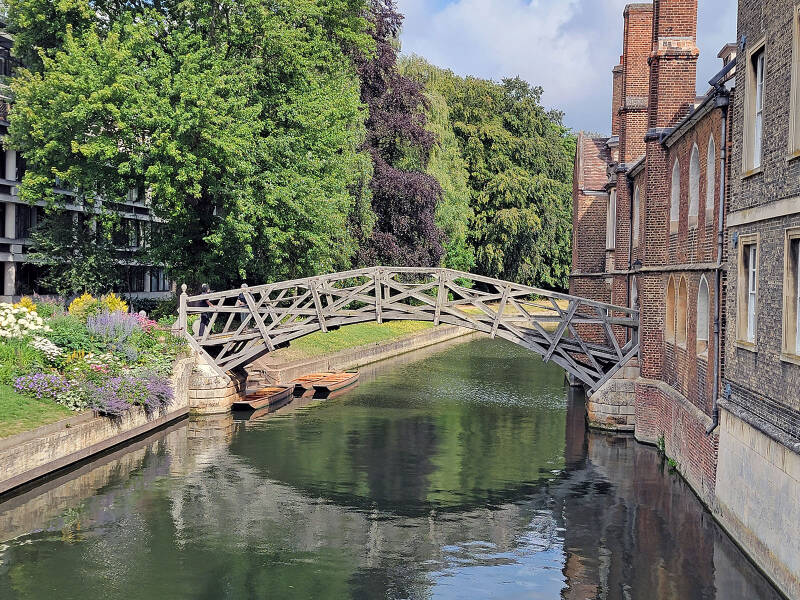
We walked around Queens’ College and saw its Mathematical Bridge. According to legend, it was built by Isaac Newton without a single nail. In reality, it wasn’t built by Newton — and it does have nails.
We climbed up to the roof of St Mary’s Church.
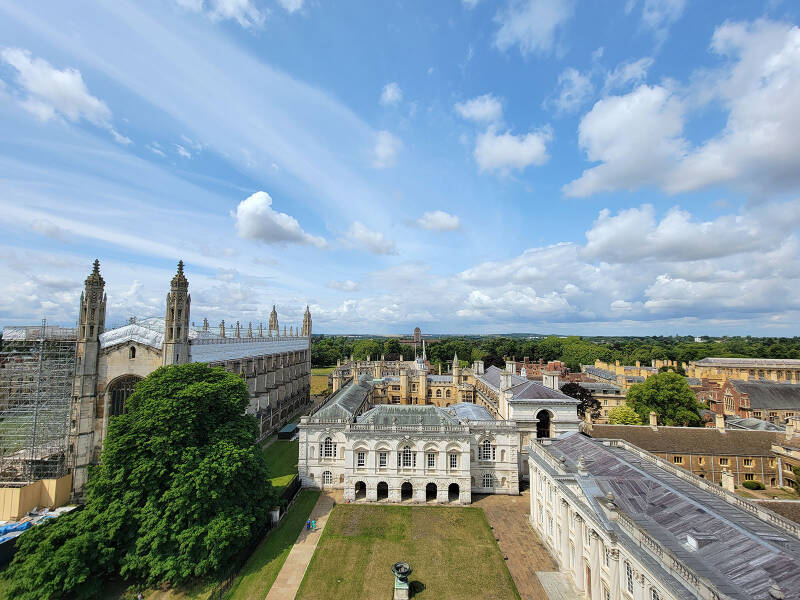
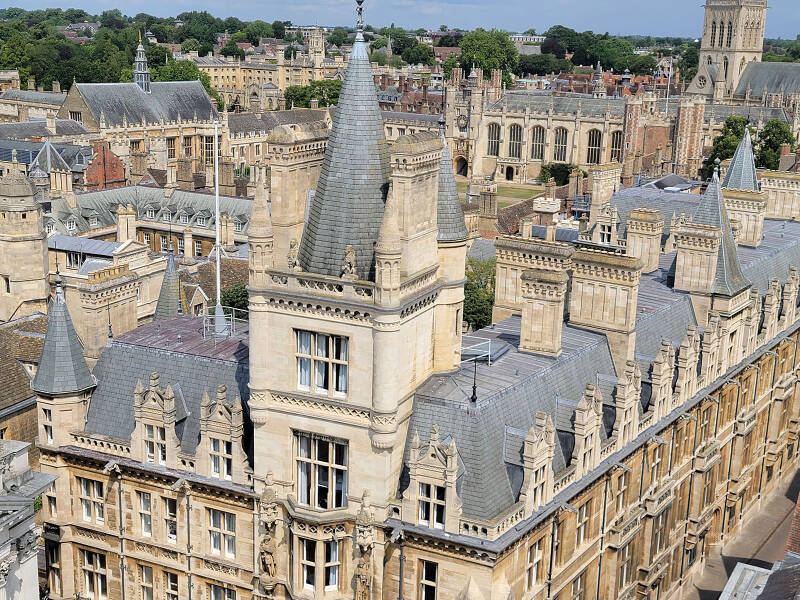
then visited the Museum of Archaeology and Anthropology.
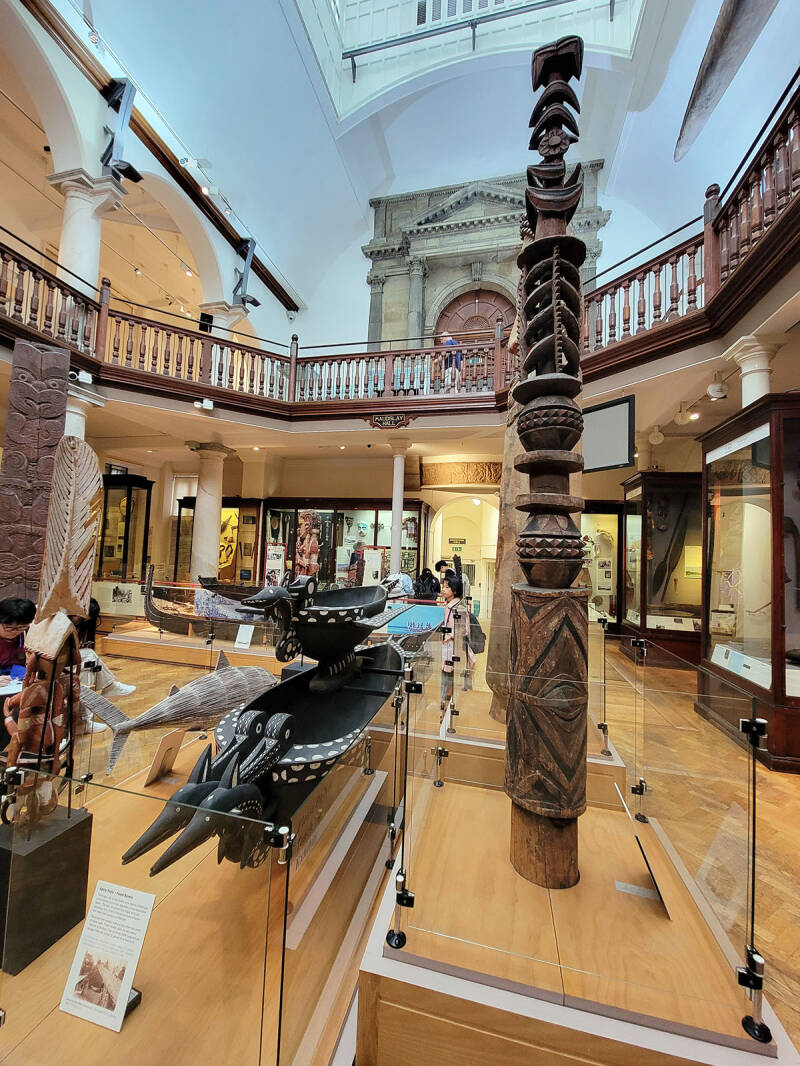
For the weekend, Arseny and his group went to Oxford on an excursion, while Ilya and I rented a car and drove to Warwick Castle.
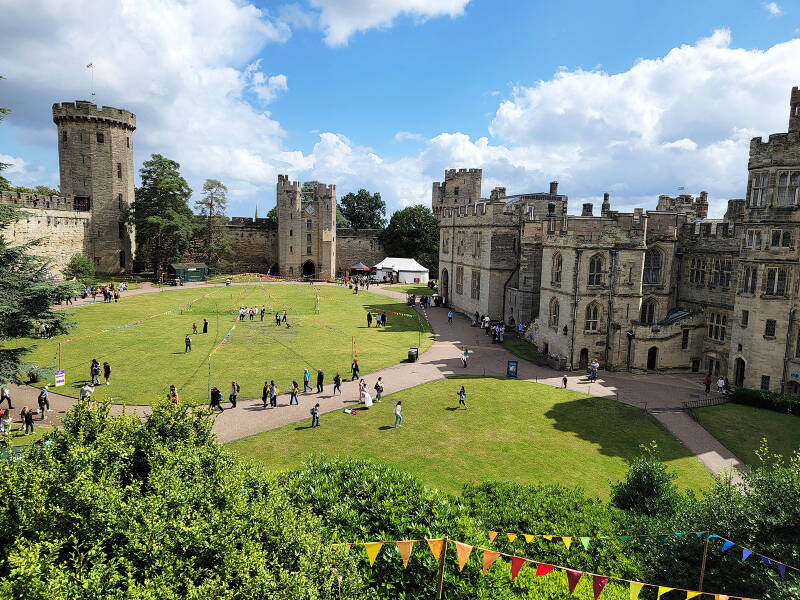
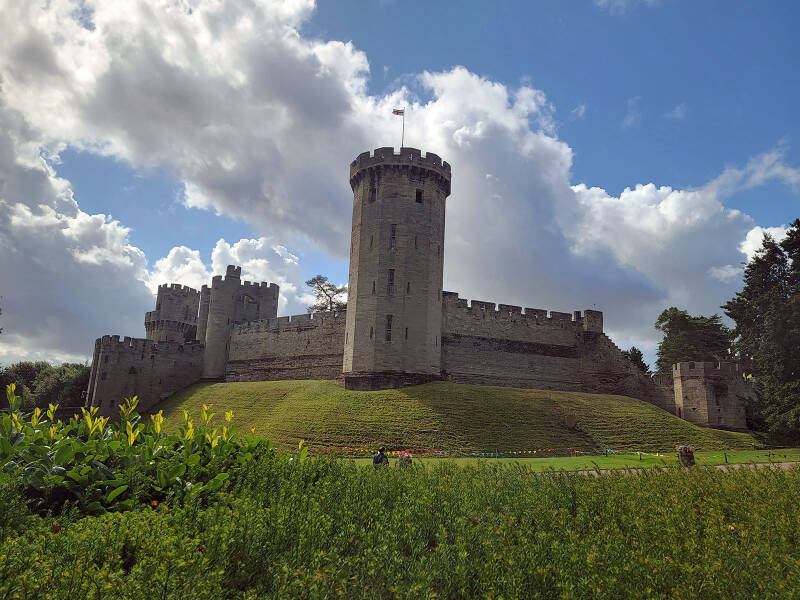
It has a completely different atmosphere from Windsor. Windsor feels alive, ancient, and somewhat gloomy, surrounded by an equally ancient, cramped, dark little town. Warwick Castle, by contrast, is as touristy as it gets — with long theatrical performances on the lawns, little shows in the courtyard, children’s mazes, and all sorts of other attractions designed to keep visitors entertained.
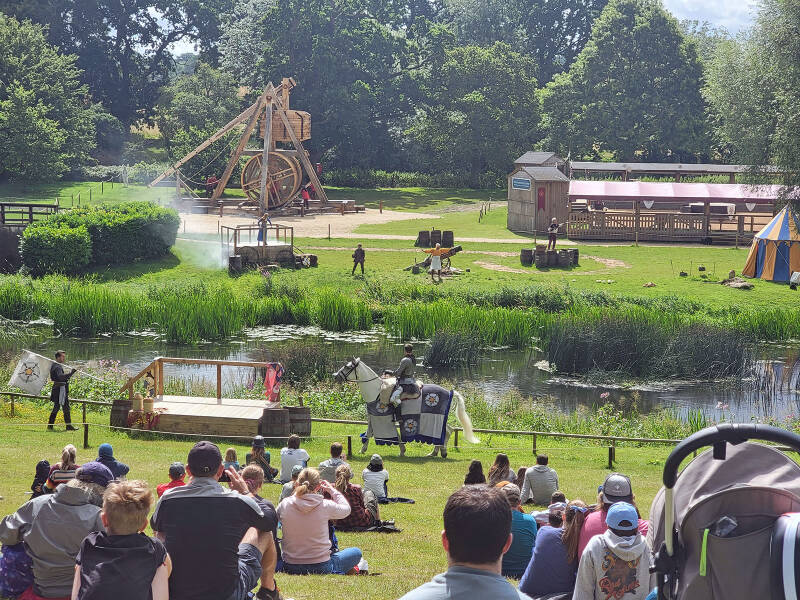
The entire courtyard is filled with jesters and ladies of the court, and even the food vendors are dressed in 16th-century fashion. At the same time, everything inside the castle is beautiful and authentic. And the castle itself is quite atmospheric, too.
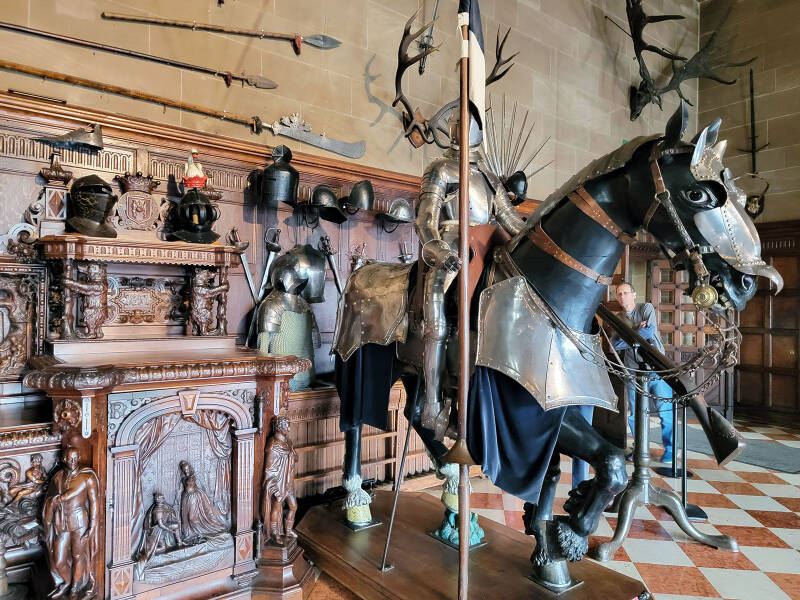
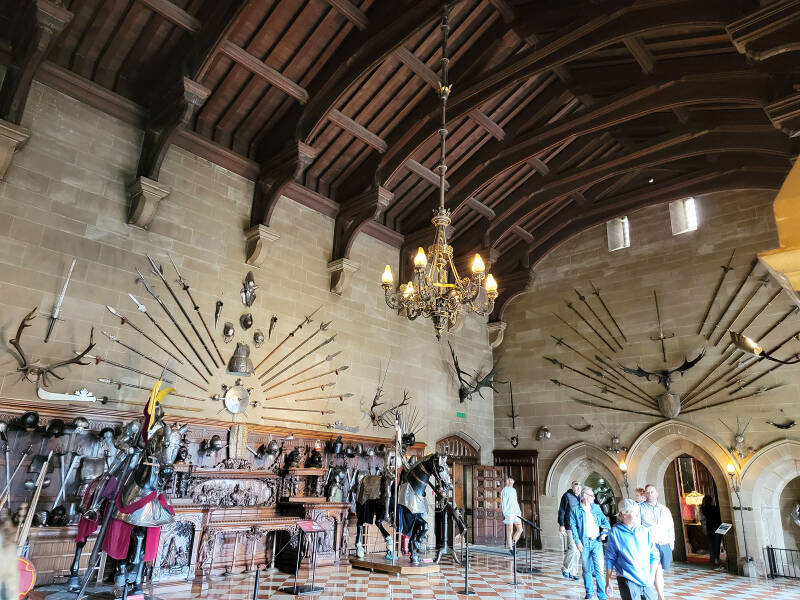
After Warwick, we headed to Shakespeare’s birthplace.
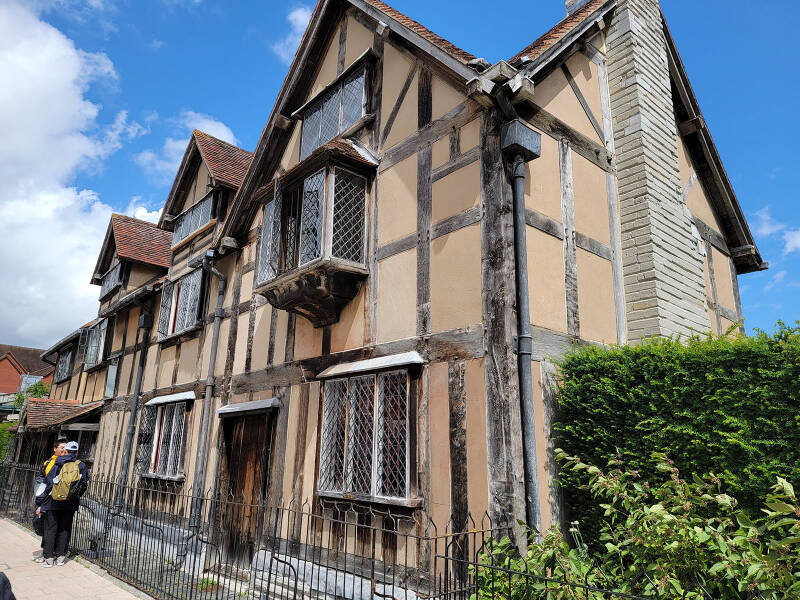
Shakespeare’s house is lovely, though rather expensive. What all those groups of schoolchildren were doing there, when they seemed much more interested in chatting with each other than looking around even once and taking in where they actually were, remained a mystery to me.
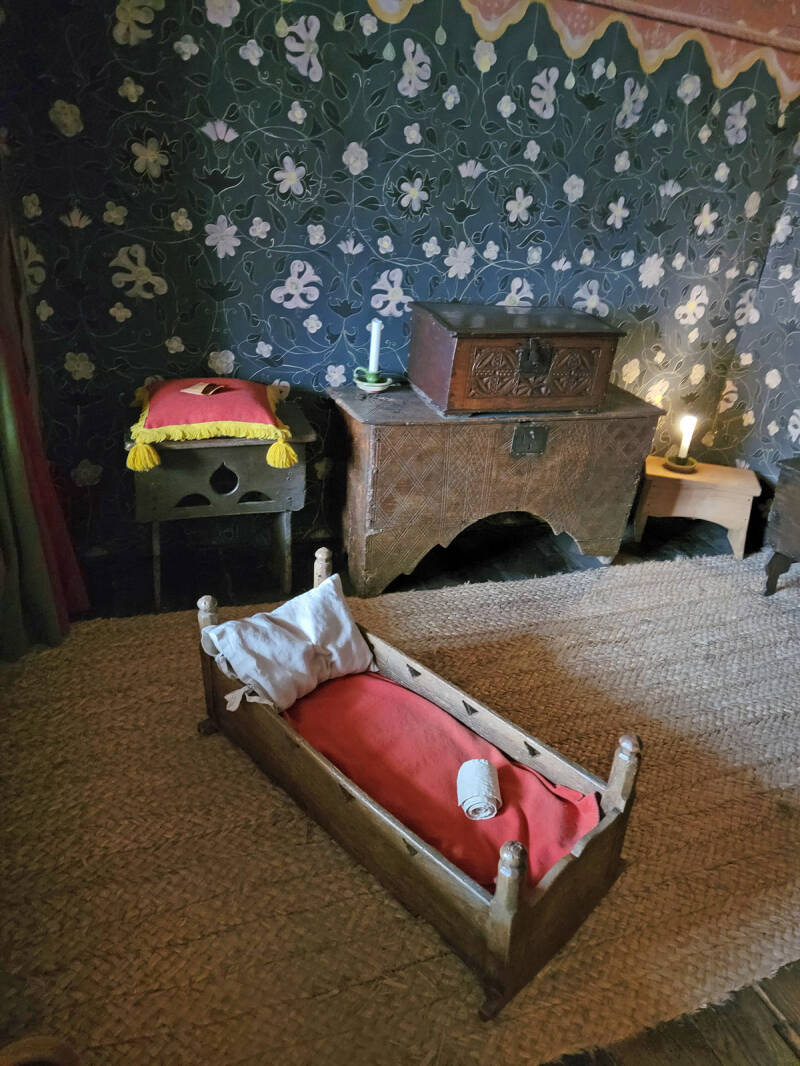
Shakespeare was apparently born in this room:
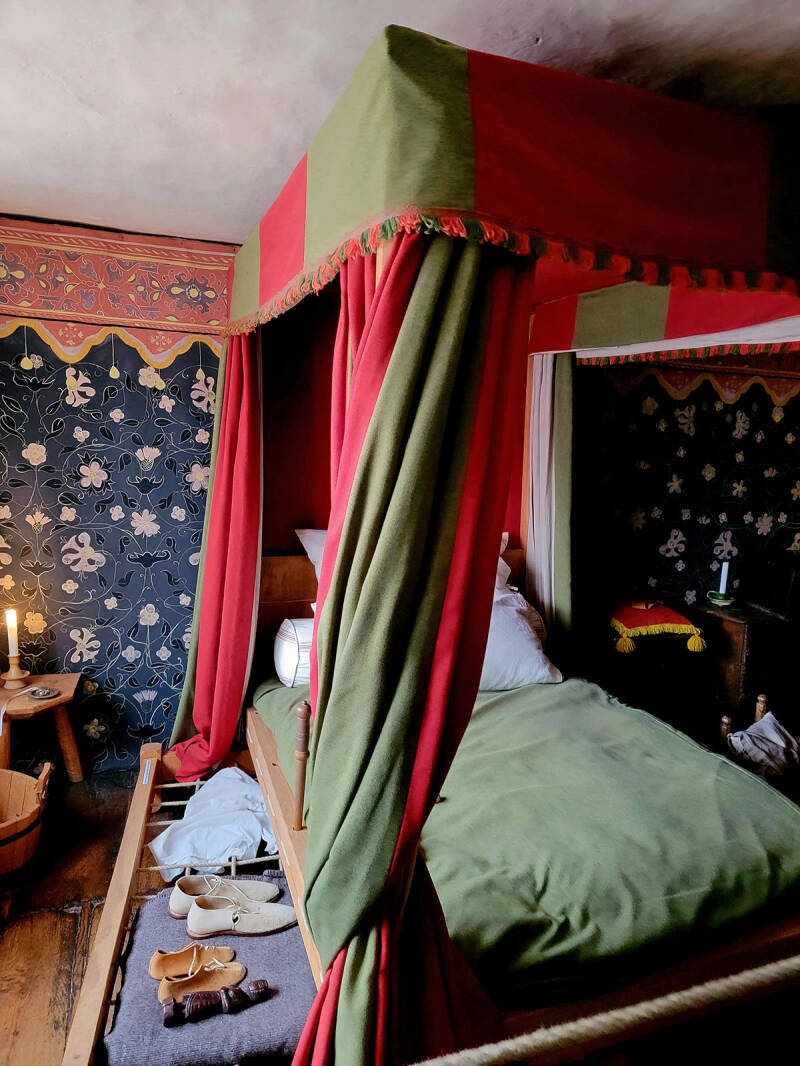
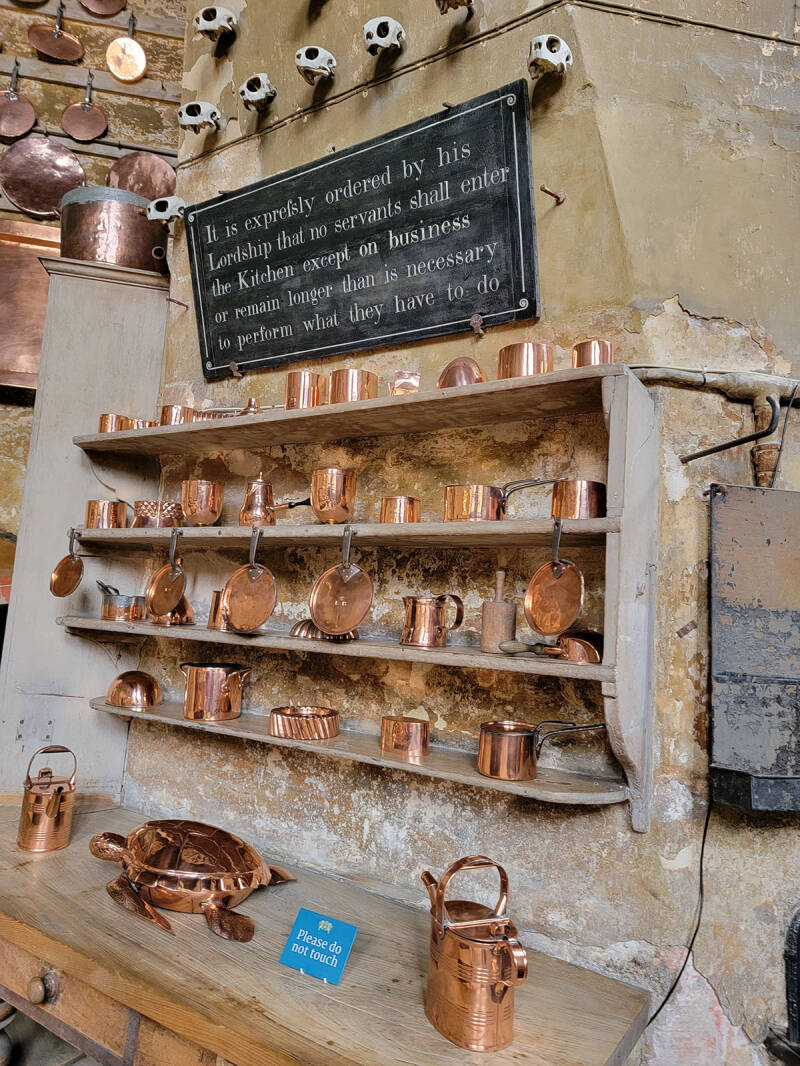
We visited Burghley House:
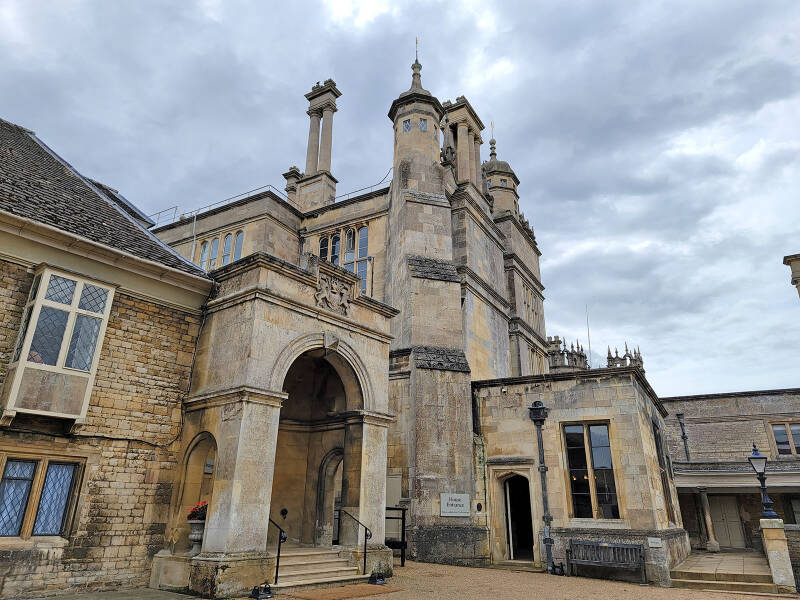
Since it was simply on the way to the house, we weren’t expecting anything particularly special. But this was actually the place that impressed both of us most deeply.
The entrance is through the kitchen, with turtle shells on display — turtles that were brought to the household to make the very expensive turtle soup:
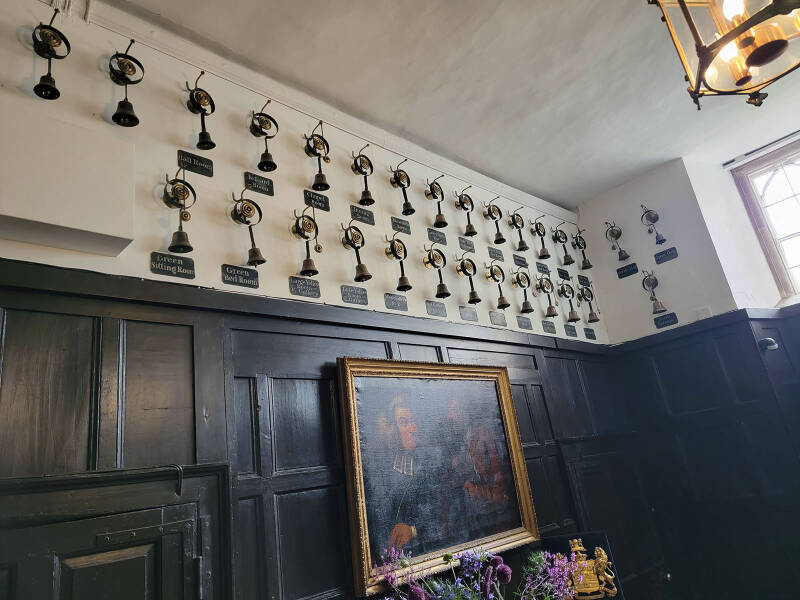
Next came the servants’ room, with its bells for summoning them:
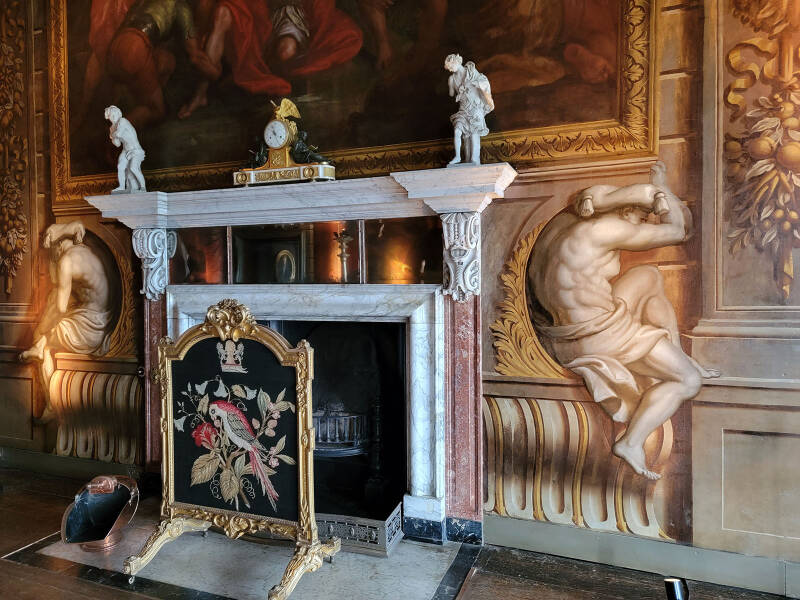
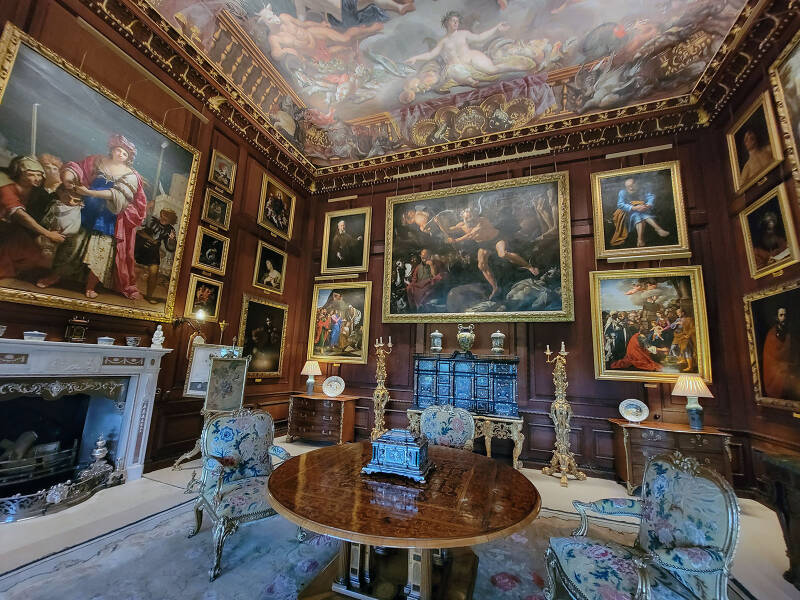
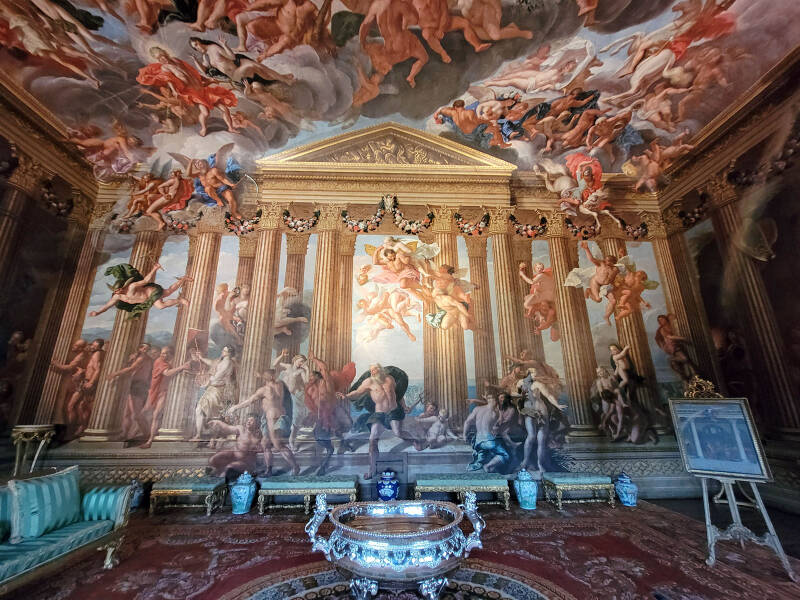
And then came dozens of magnificent rooms filled with incredibly three-dimensional paintings:
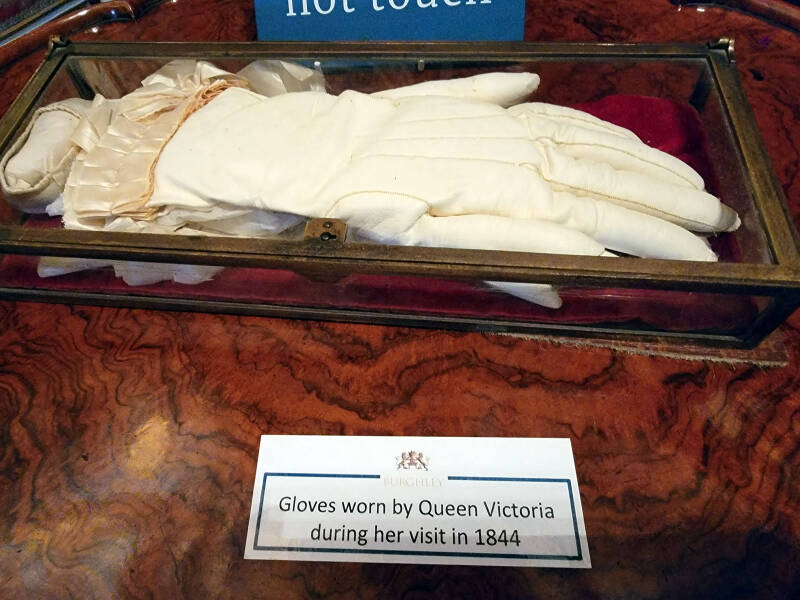
Queen Victoria left her gloves behind when she visited. They are now kept and displayed almost like a relic:
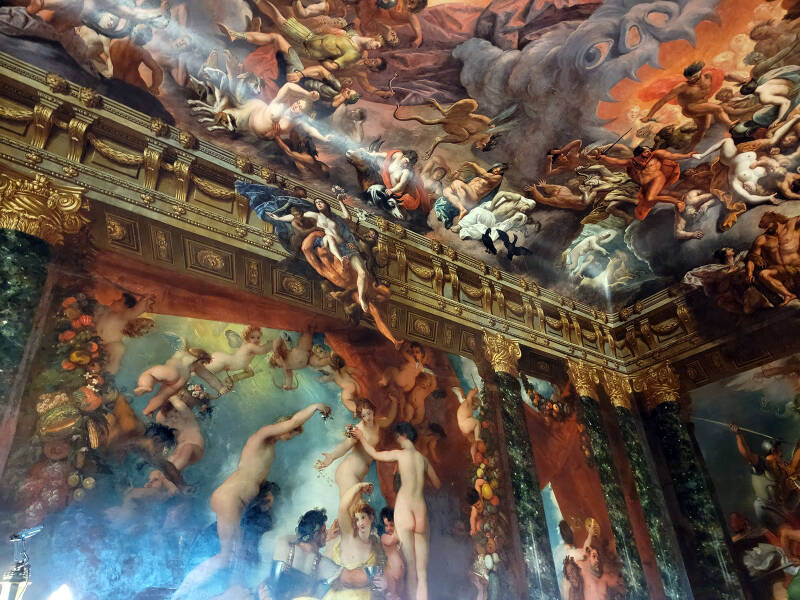
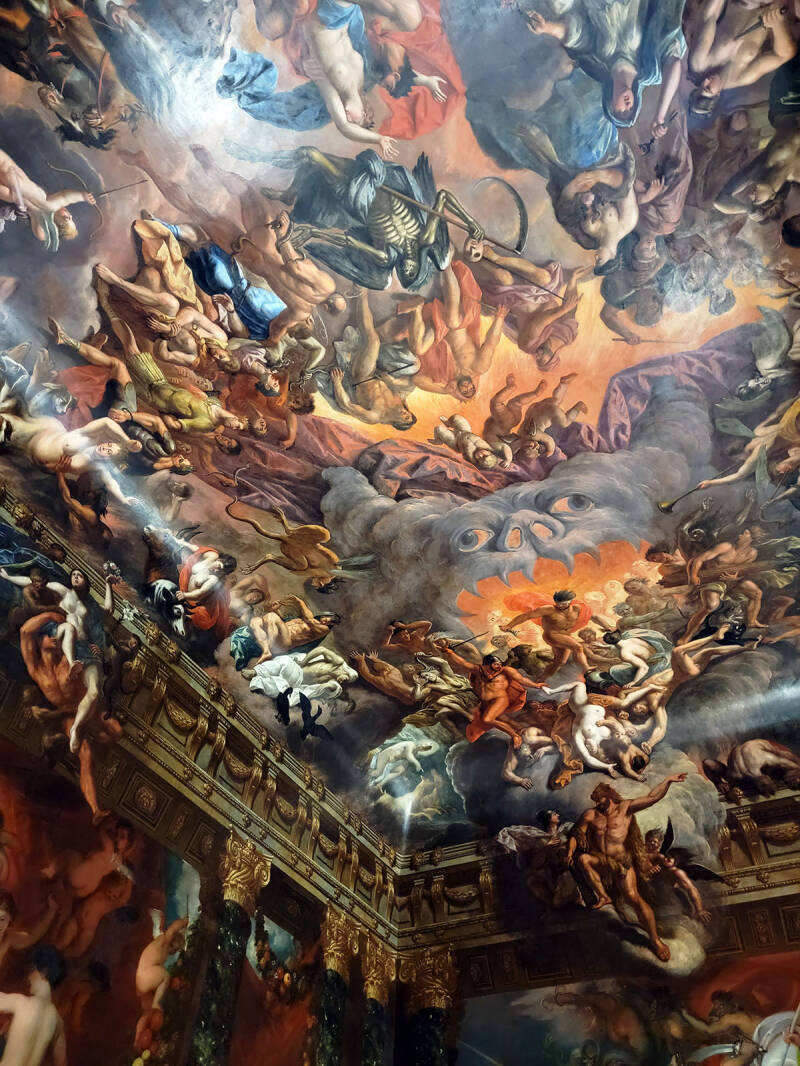
The ceilings are simply out of this world:
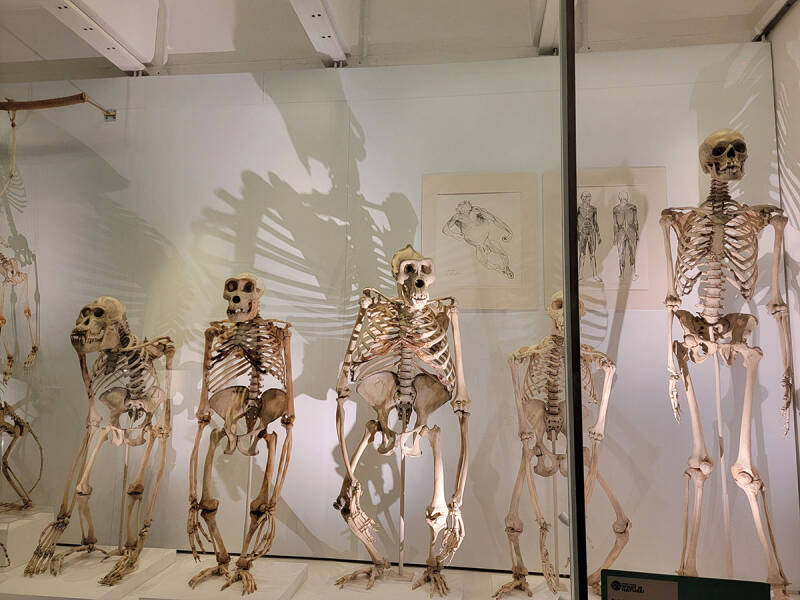
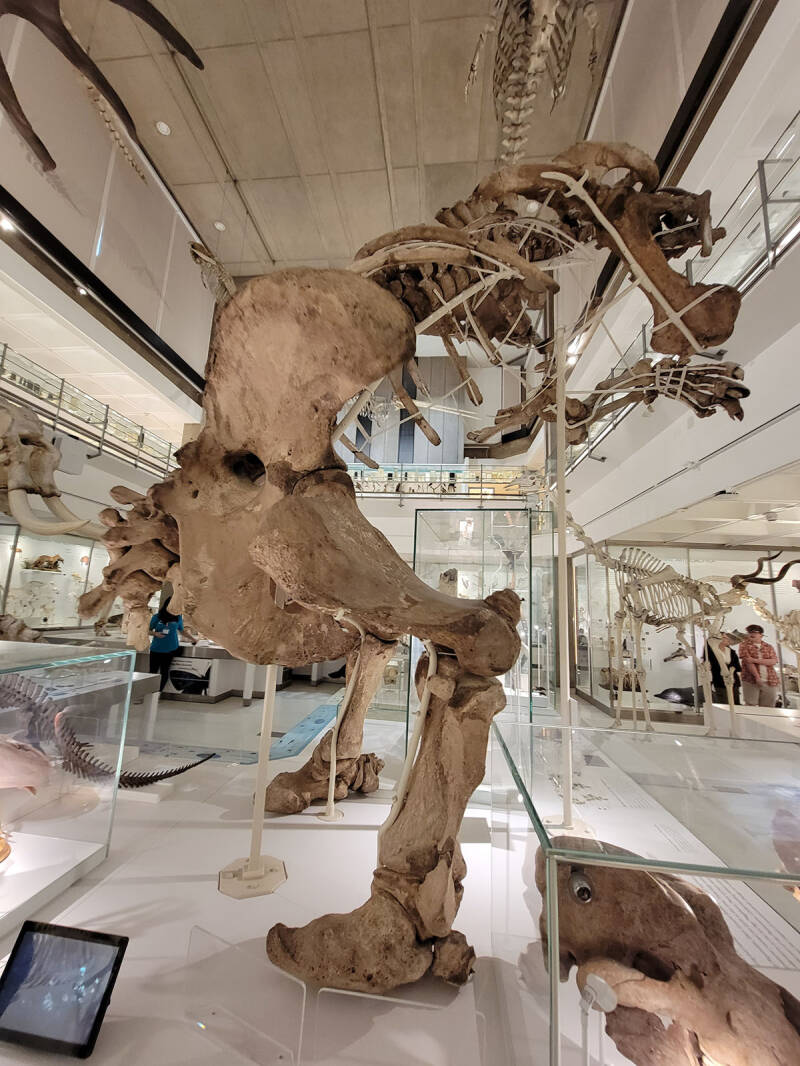
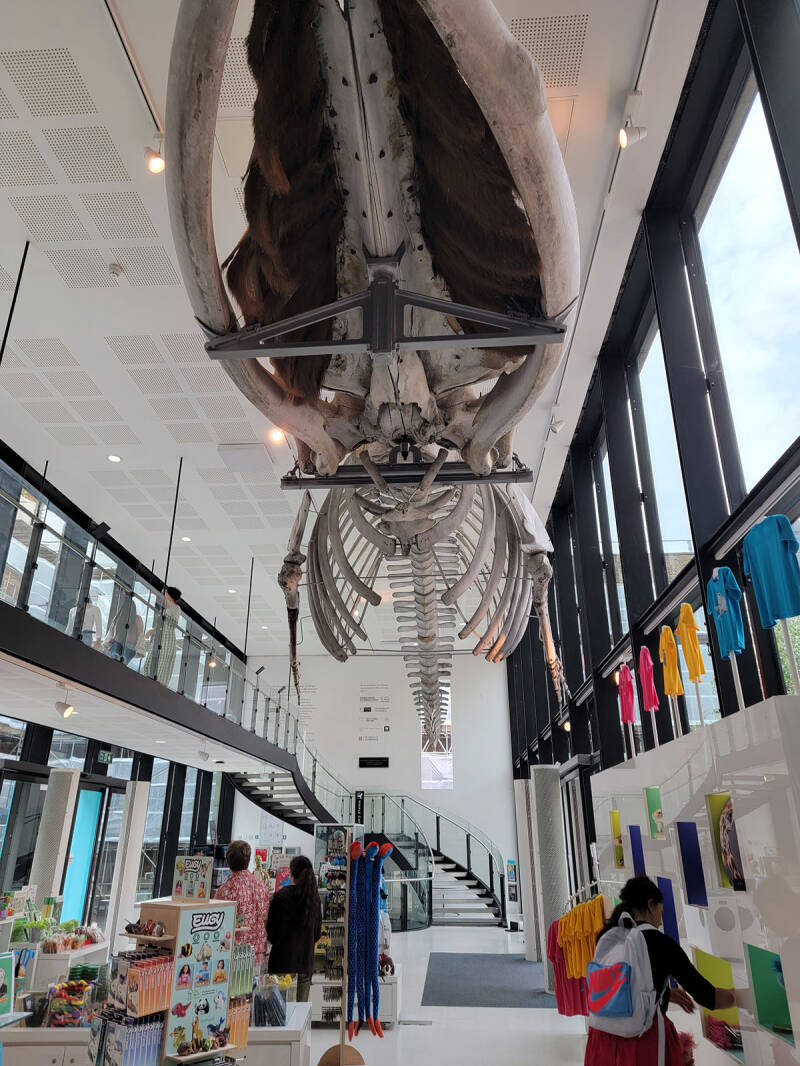
The Museum of Zoology — an absolutely fantastic museum:
An ancient sloth:
We took a trip to the nearby town of Bury St Edmunds.
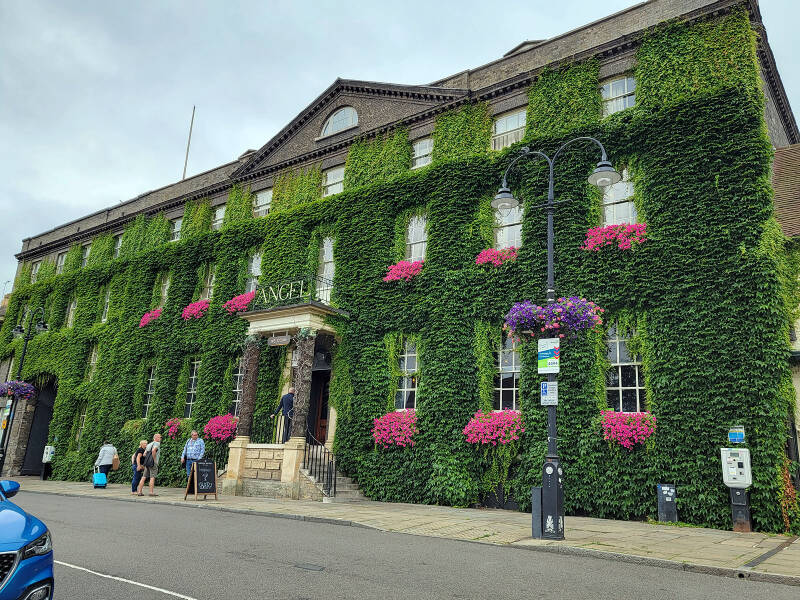
Ilyusha and I are terribly clever, so it took us quite a while to figure out that the “Bury” in Bury St Edmunds is the same sort of thing as the “burgh” in Edinburgh or Salisbury. Until then, we kept calling it “Bury St Edmunds” — as though it meant “Go bury St Edmund.”
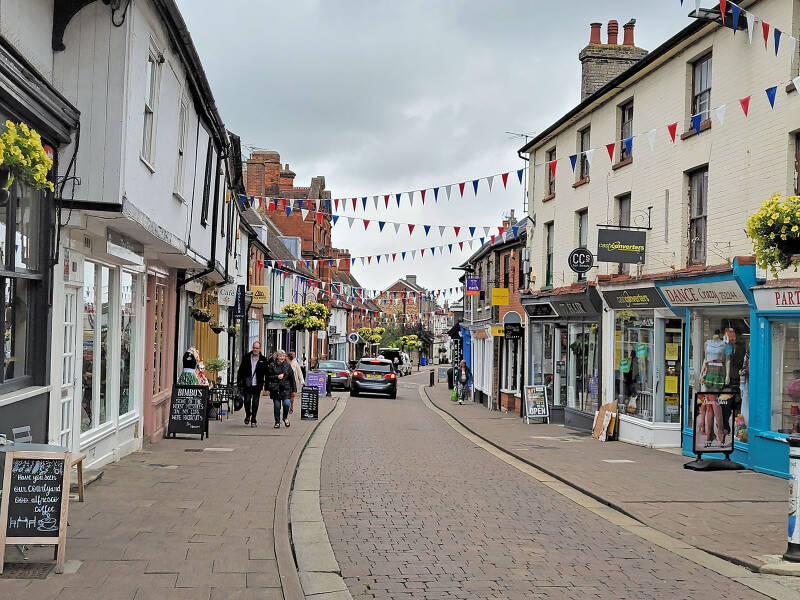
Incredibly cozy, with such lovely cafés and a wonderful little market where all the vendors know one another — and know all their customers, too. It was all so charming!
And of course, we visited their cathedral of St Edmund, which once again reminded us of the Vikings and Norway.
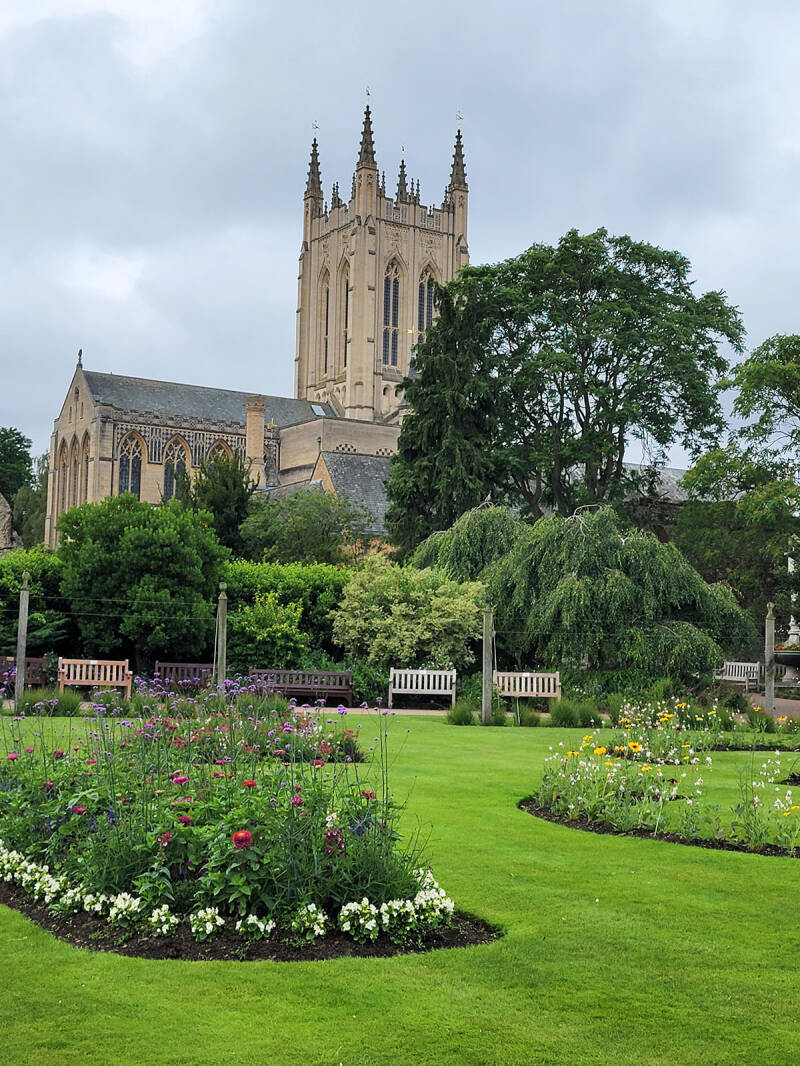
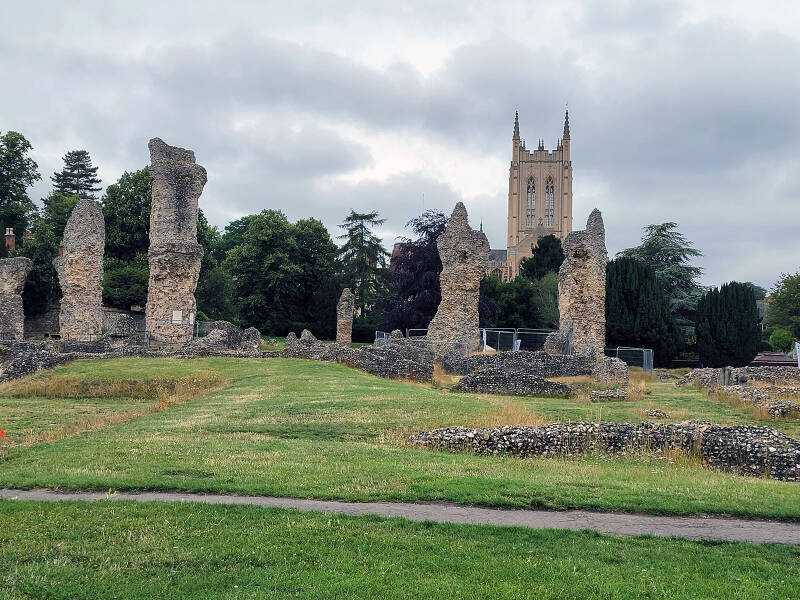
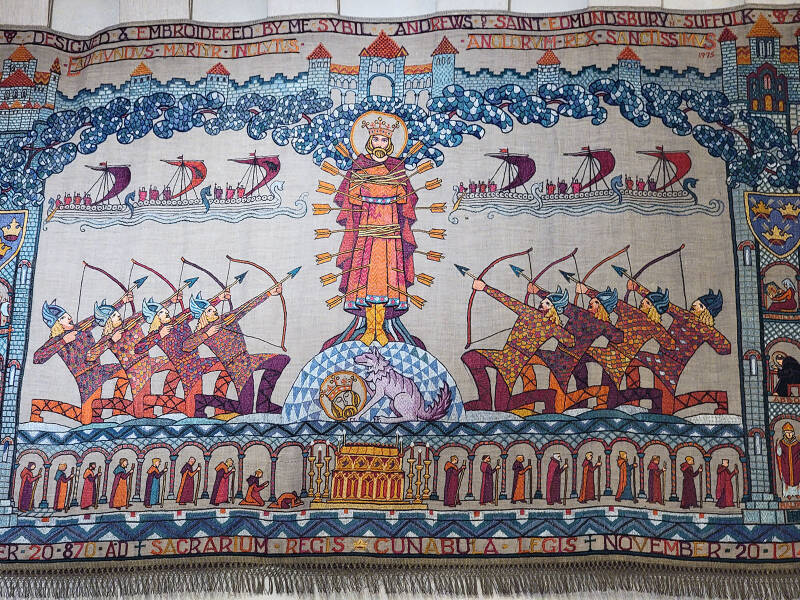
In my account of our trip to Norway, I told the story of Ragnar Lothbrok, a.k.a. Ragnar “Hairy Breeches,” and his son Ivar. Well, this same Ivar sailed to England with his “Great Heathen Army” and came up against Edmund, who was king of East Anglia at the time. The odds were hopelessly unequal, and Edmund met a martyr’s death.
In the cathedral, you can see several depictions of Edmund pierced by arrows, as well as a wolf holding the king’s head. According to legend, Edmund was beheaded and his head was thrown into the forest. When his companions went looking for him, the head called out, “Here! I’m here!” And then a miracle happened to Edmund’s body: the wounds from the arrows healed, and his head grew back onto his body.
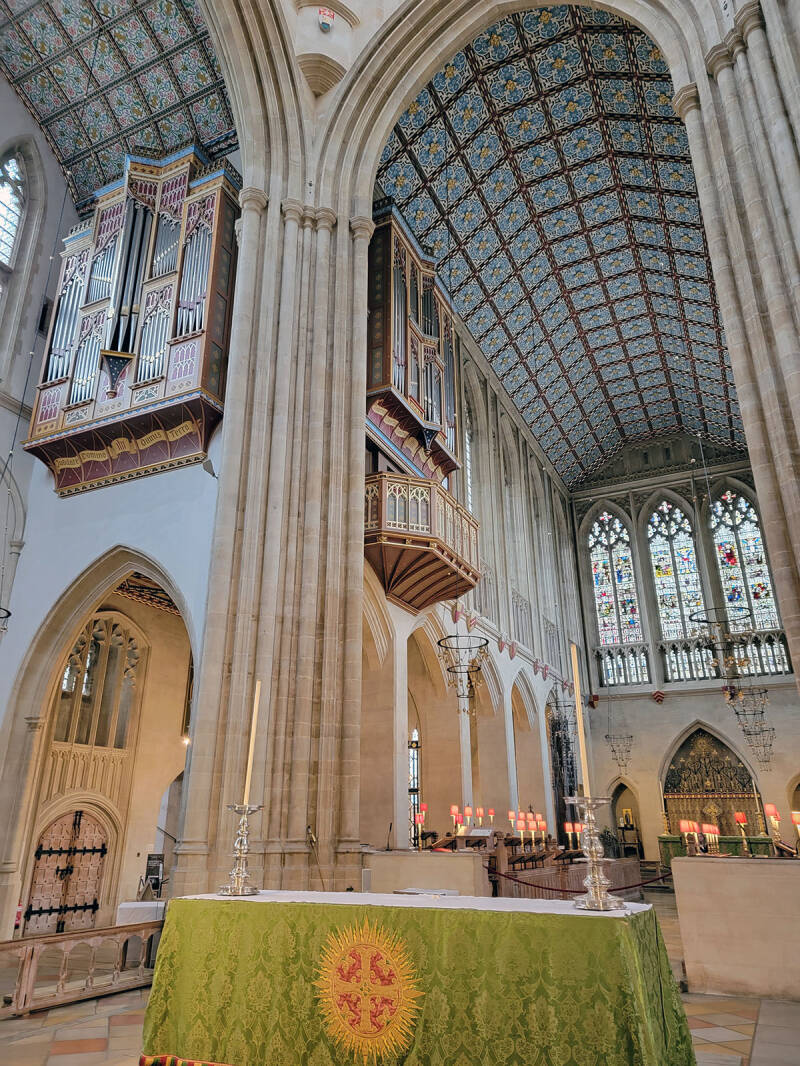
And the cathedral itself is bright and beautiful:
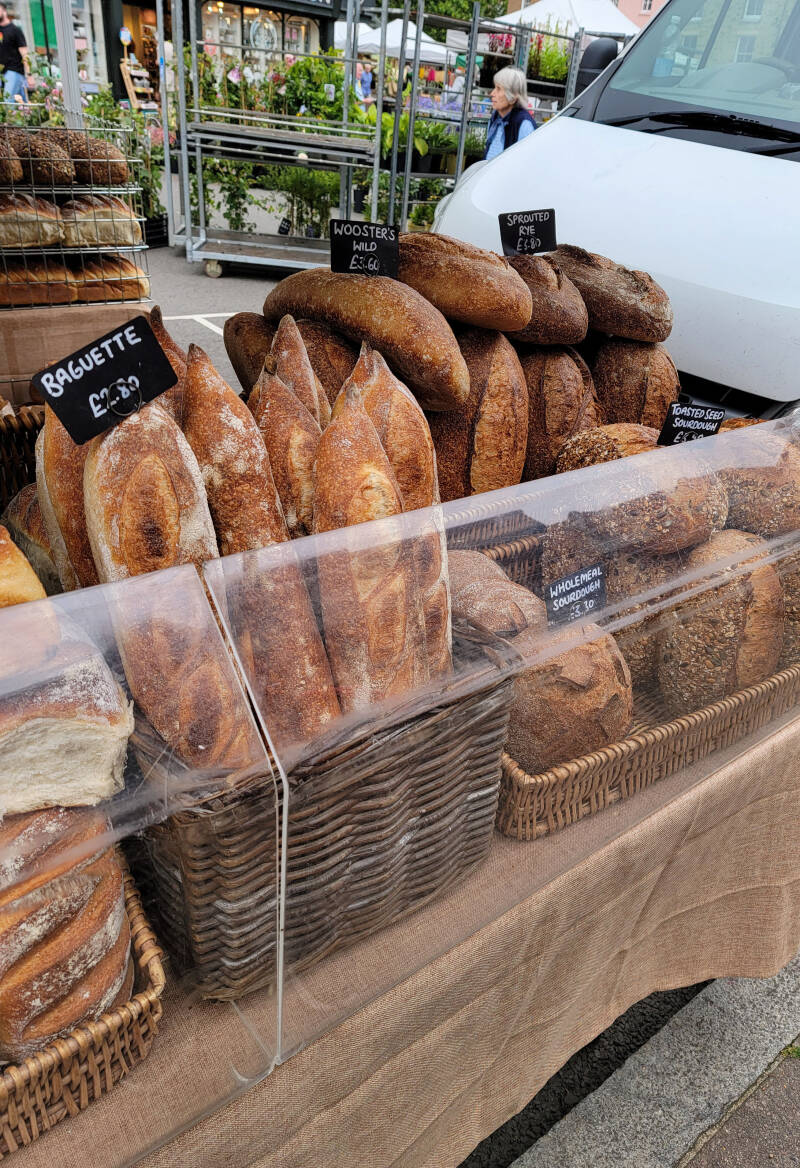
We walked around the town. After lunch at a wonderful little café, we still couldn’t resist buying a baguette at the market — and polished it off in two minutes because it was just that delicious.
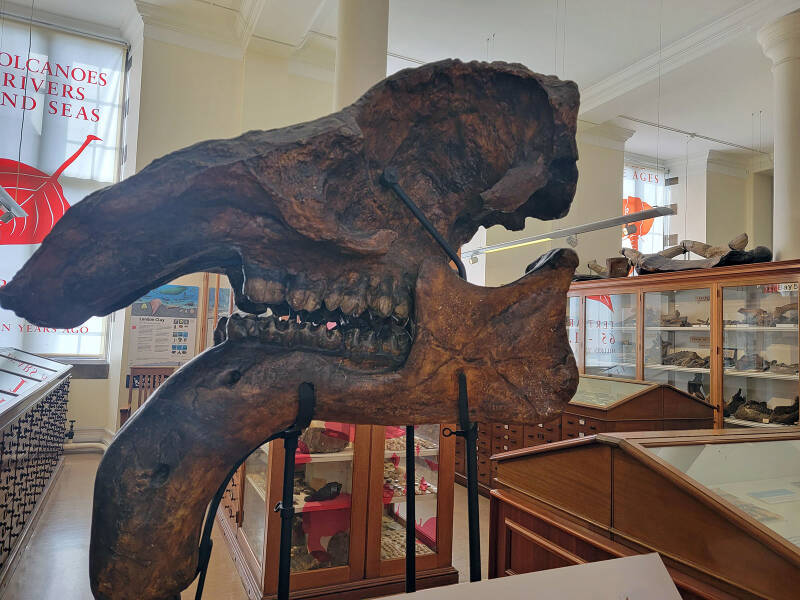
We visited the Sedgwick Museum of Earth Sciences — another absolutely fantastic museum!
You can see what Darwin’s workspace looked like.
A long time ago, I read about the difficulties of finding traces of organisms that lived during the Precambrian period. One hypothesis was that the diversity of life before the Cambrian explosion was no smaller than afterward, but these organisms didn’t have calcium-based structures, so they left no fossil record. The question is: what drove them to develop and build up teeth, shells, armor, and exoskeletons?
Obviously, the answer is the struggle for survival and the eternal arms race of nature. It seems that the very idea of war is hardwired into our most basic settings so deeply that we may never be able to get rid of it...
“There has never been a world without war.” (с)
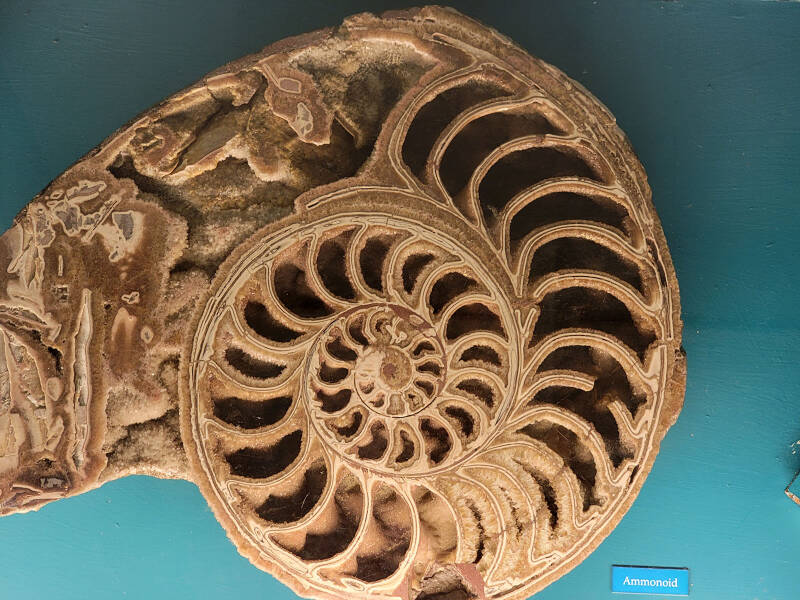
The concept of the Cambrian Period itself was introduced by the geologist Adam Sedgwick, after whom the museum is named. Sedgwick also lived, studied, and worked in Cambridge. And, I must admit, I briefly assumed that “Cambrian” was named after Cambridge. But no :) — it was named after Wales, which was known to the Romans as Cambria.
And finally, just before Arseny’s program came to an end, we made it to London.
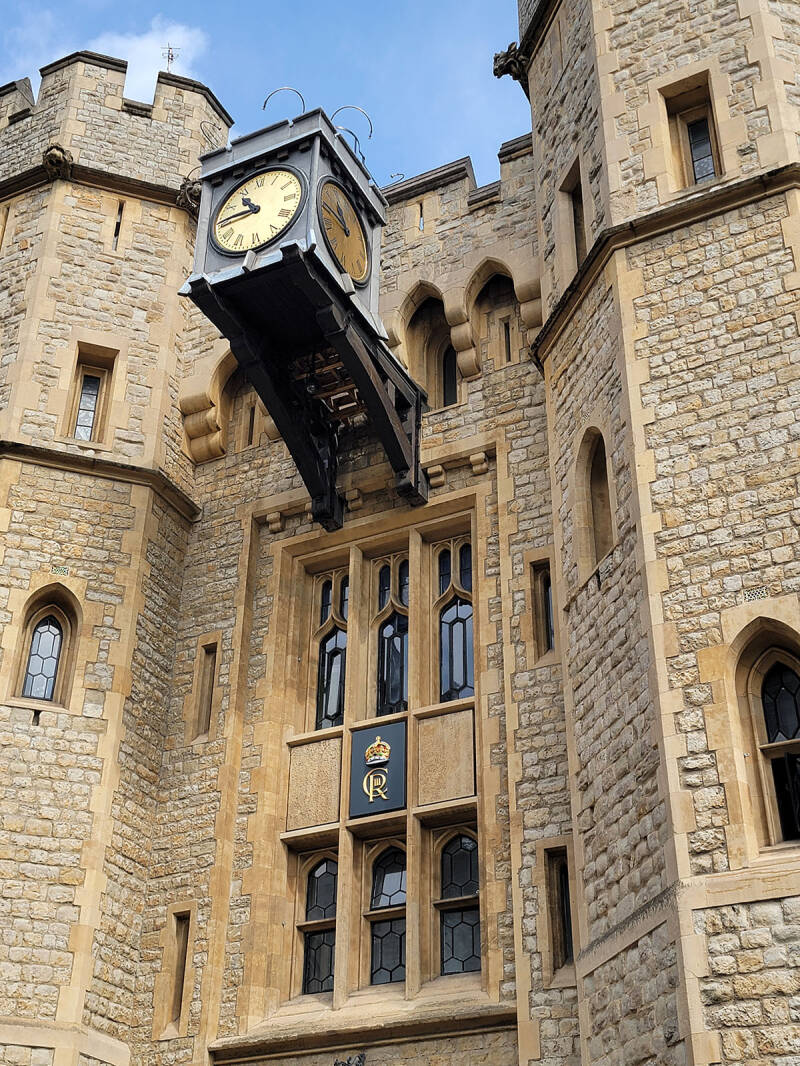
First stop — the Tower!
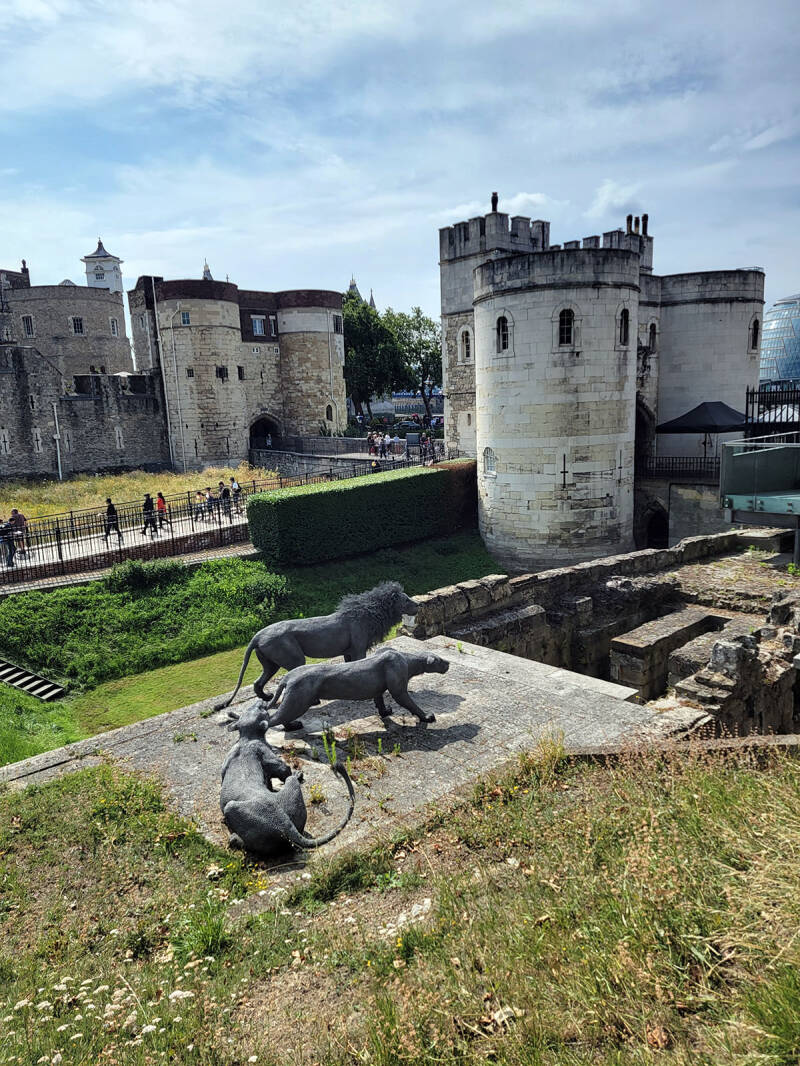
Last time, we only walked past it and didn’t have time to go inside. There was no way we could miss our second chance — it’s simply too amazing a place.
The Tower is practically a city in itself, with ancient towers, the royal treasury, an arsenal, and much more.
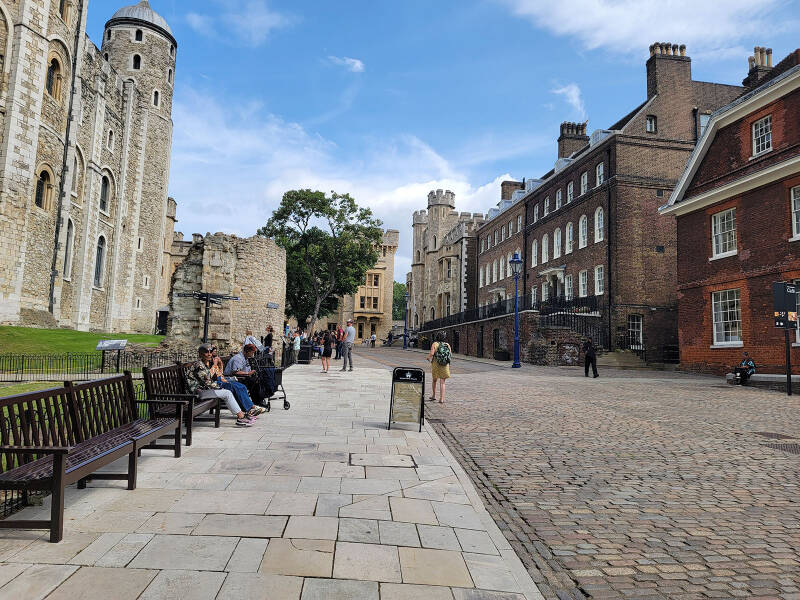
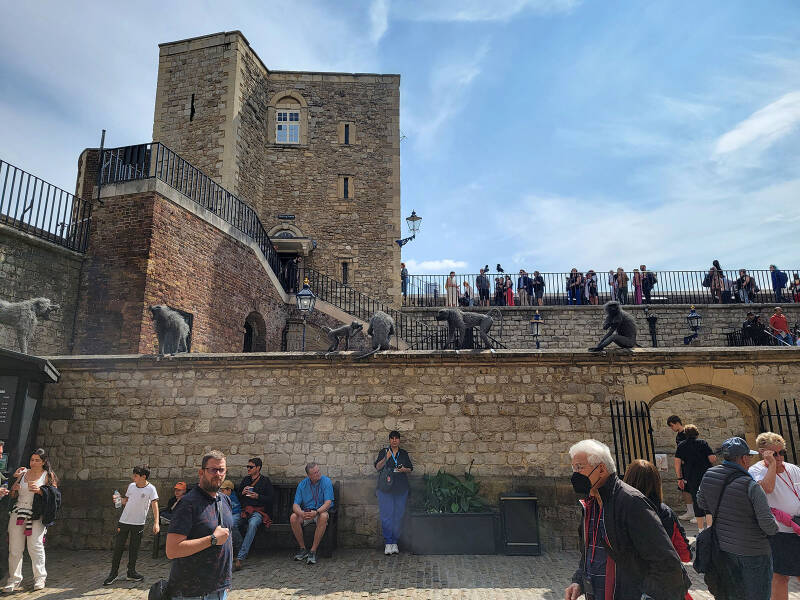
It was founded at the same time as Windsor, in 1066, by — unsurprisingly — William the Conqueror. It was established as a fort and fortress, but almost immediately also became a state prison.
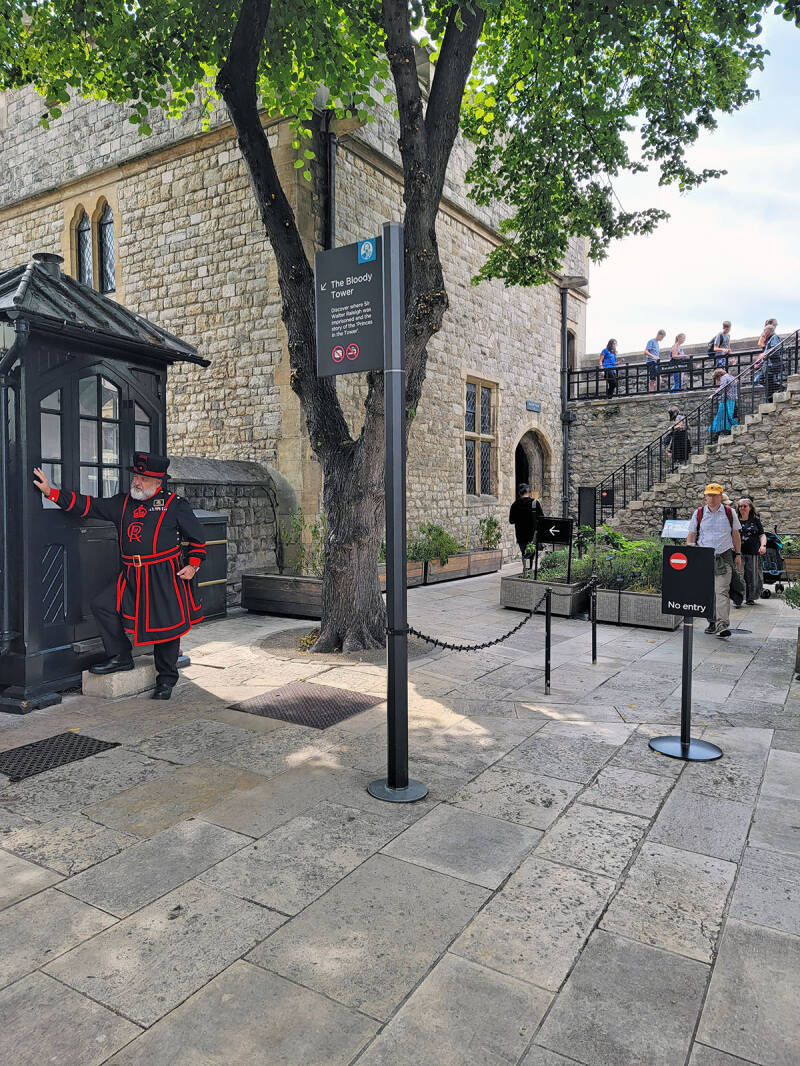
We went into the Bloody Tower. I wrote a lot about it — and about the princes and Richard III — during our previous trip.
Photography is not allowed in the Treasury

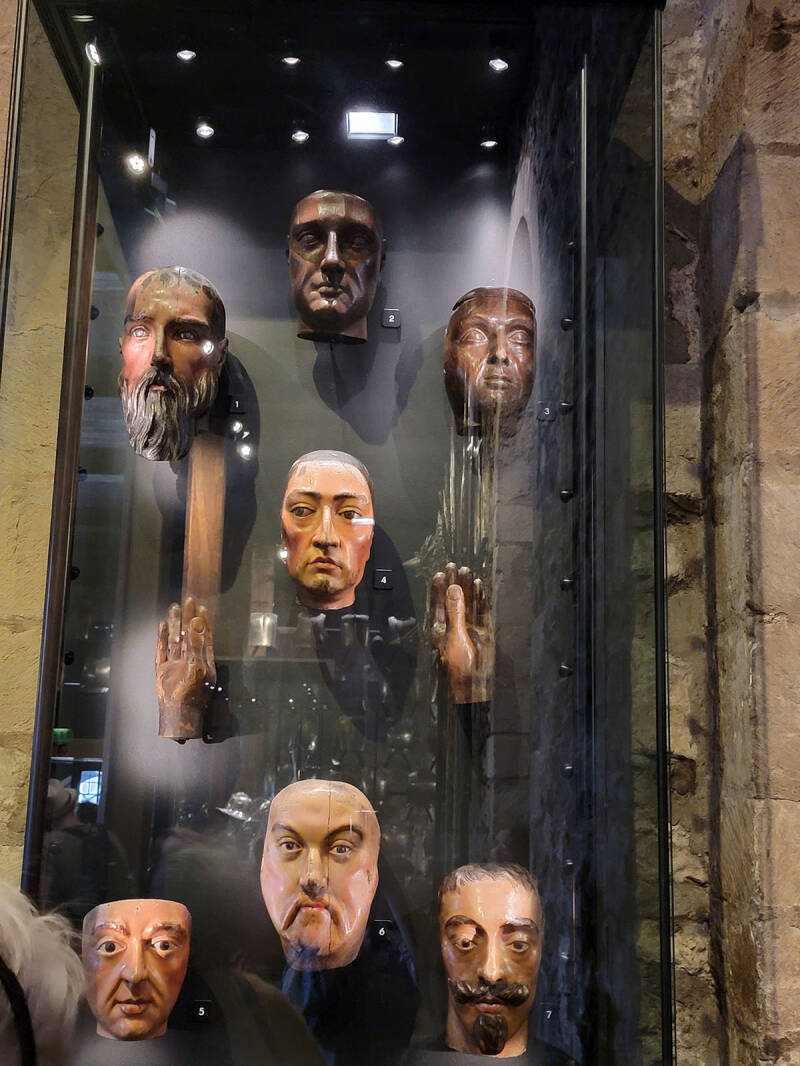
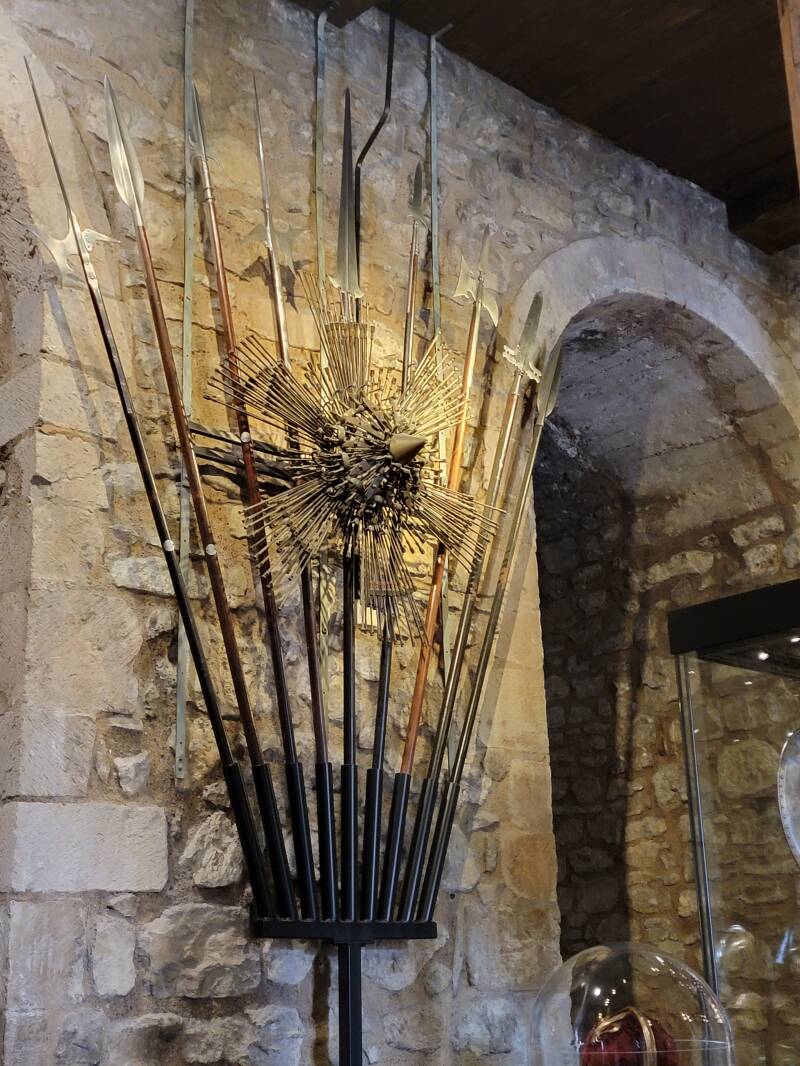
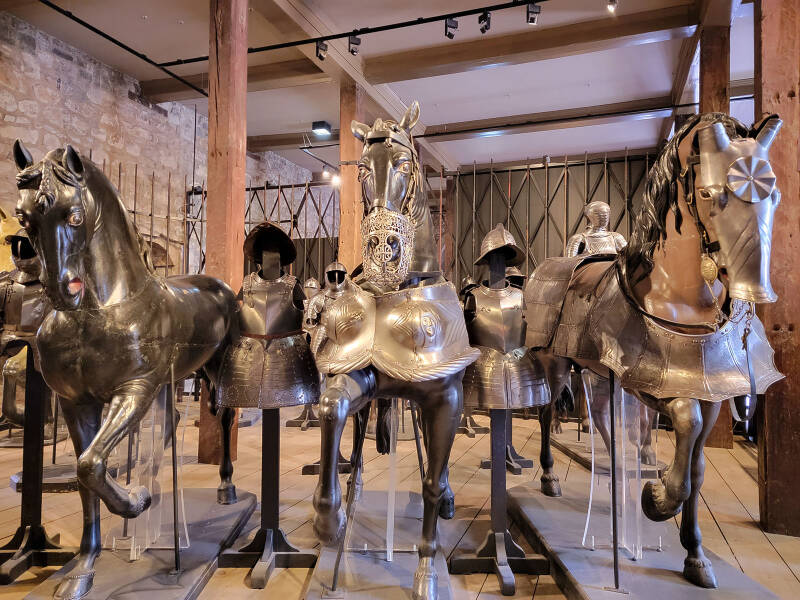
In some parts of the Armoury, it’s straight out of Game of Thrones:
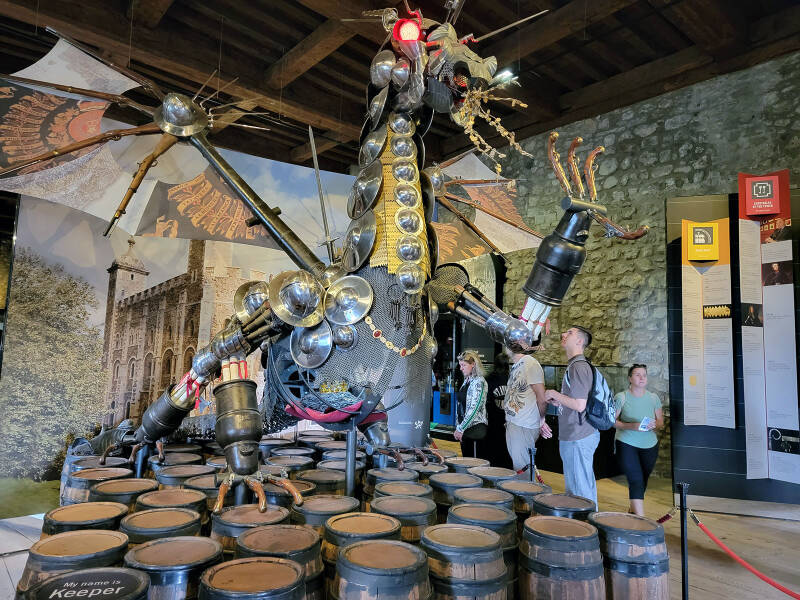
And, of course, the keeper of the treasures:
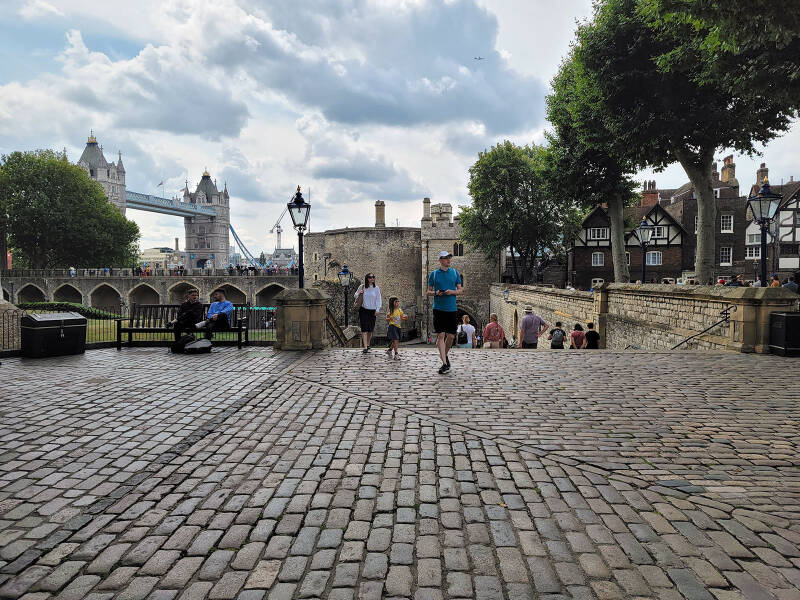
A view of Tower Bridge:
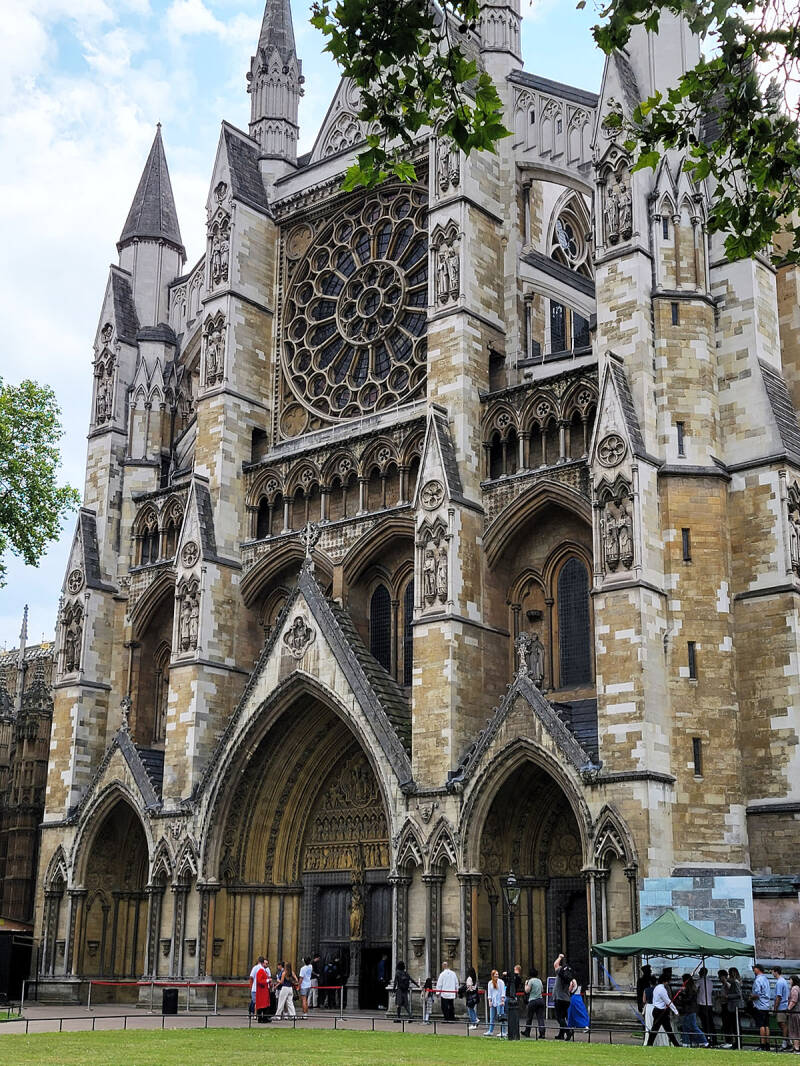
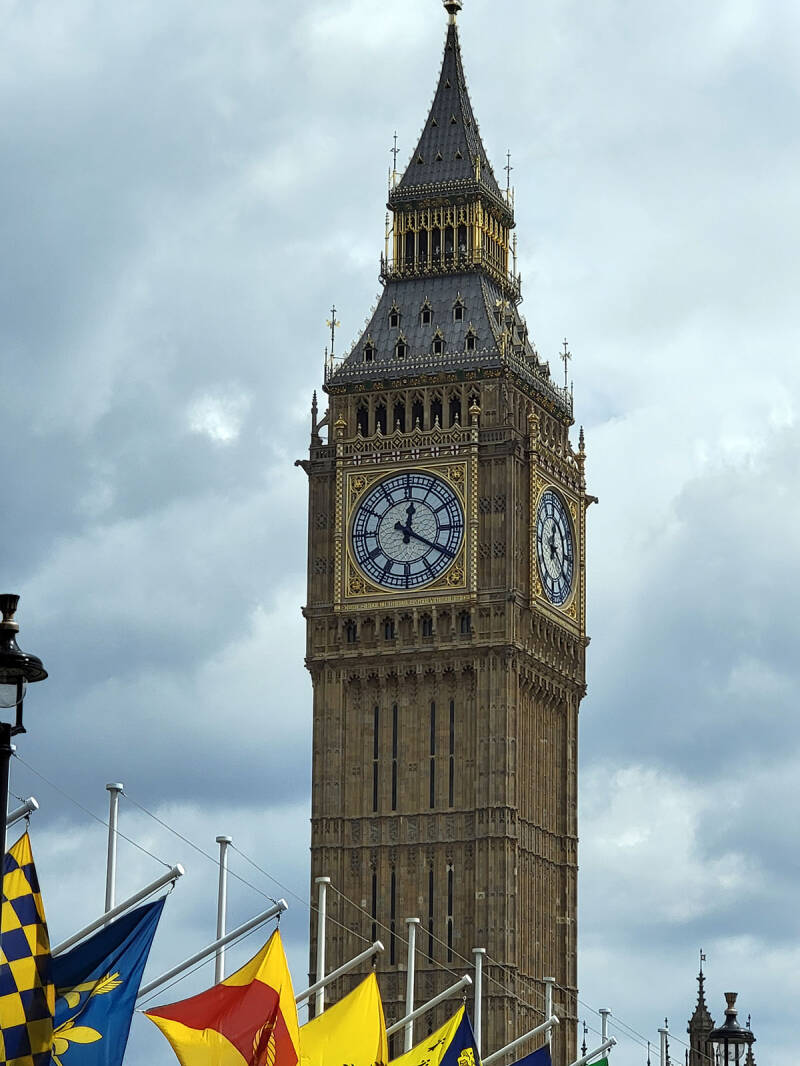
From the Tower, we headed to Westminster.
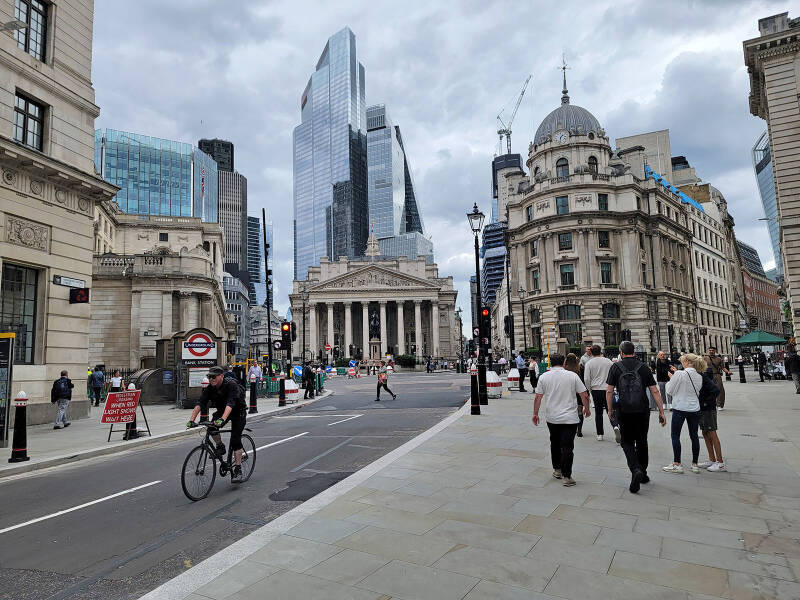
Then we walked through the city center to the train station
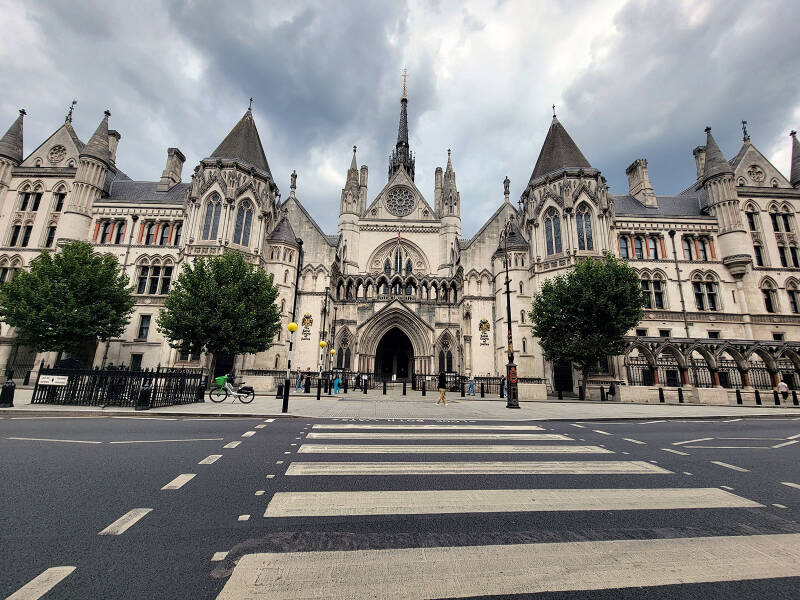
London really is an amazing city
First, we stopped by the Temple Church. Not because The Da Vinci Code was filmed here too, but because the true knight William Marshal is buried here. I’ve already written quite a lot about him. This time, I really wanted to talk about these famous Templar effigies.
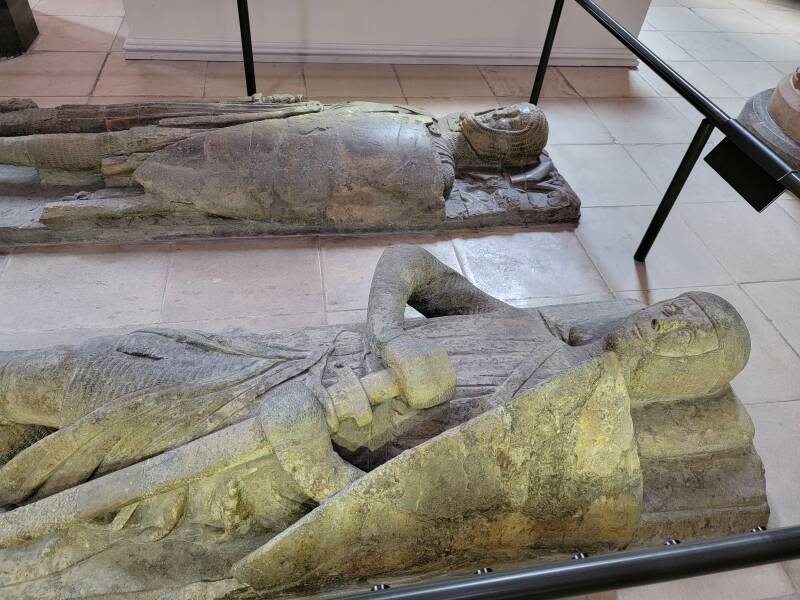
If you look closely, you can see that the figures differ in the position of their legs and arms, whether or not they have a sword, and so on. It was traditionally believed that, according to Templar customs, crossed legs indicated participation in a crusade — or two crusades, respectively — while a sword held in the hands indicated a warrior’s status, and so on. However, the actual biographies of some of these men do not match their effigies, so this theory does not always hold up.
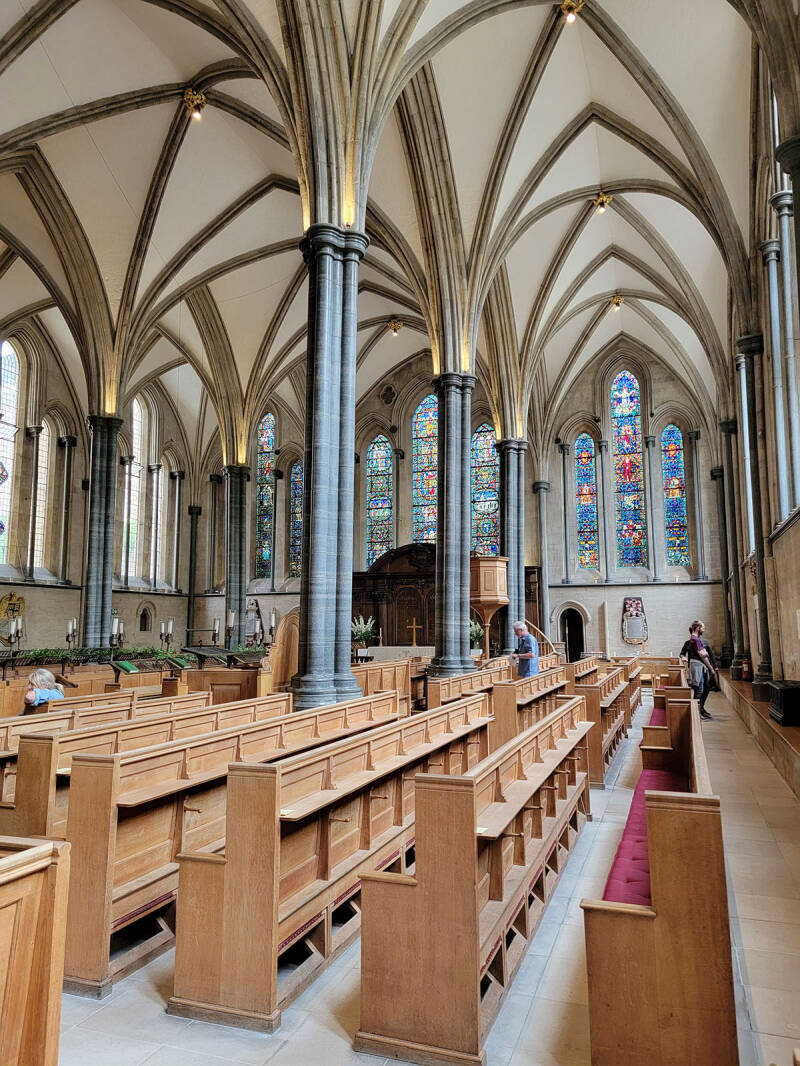
After the Temple Church, we headed to one of the most spectacular cathedrals in the world — St Paul’s Cathedral.
The original cathedral built here burned down in the 600s, the next one was destroyed by the Vikings in the 900s, the next burned down under William the Conqueror, and the one after that was destroyed in the Great Fire of 1666. The current cathedral has stood here since the 17th century.
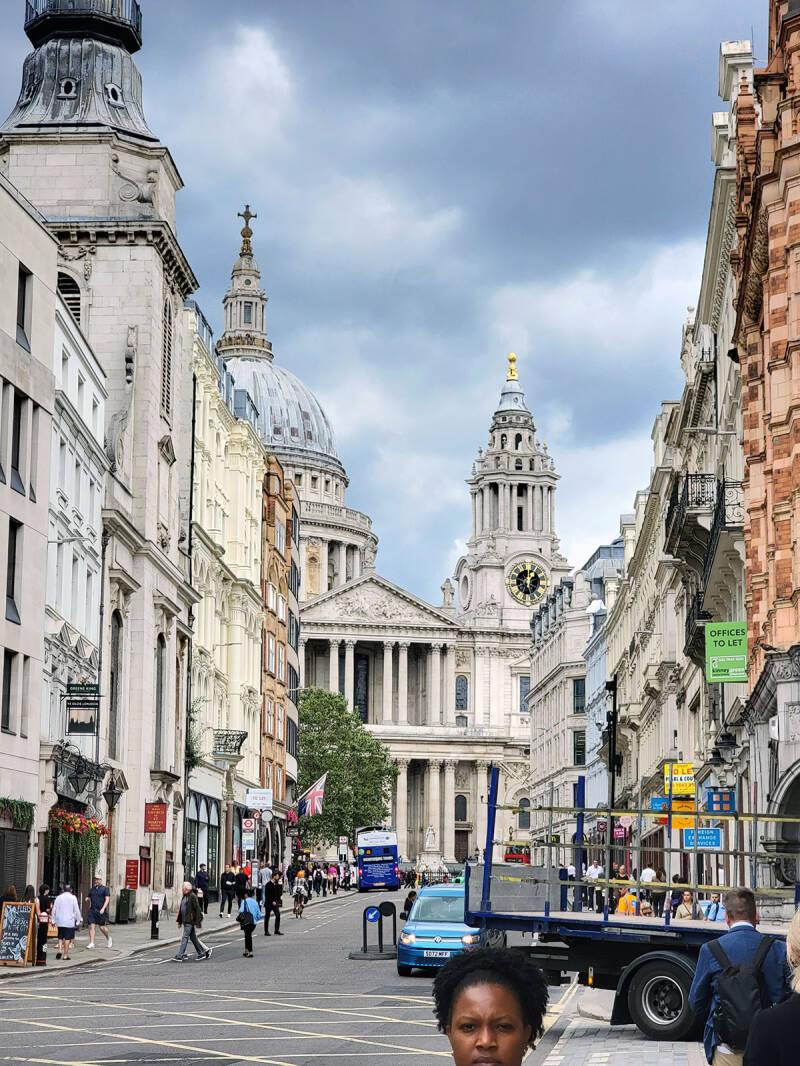
Last time, I didn’t take a single photo inside because I had read a notice saying that photography was not allowed. This time, I told Ilya that I was terribly offended by them for not allowing people to photograph such beauty, but there was no way we could just walk past it again — we had to go inside.
We walk in. Ilya points at the sign and says:
— “Is that a no-photography sign?”
— “Well, yes.”
— “Look at the fine print: photography is only prohibited during services.”
And that’s how I spent several years being offended at a completely innocent cathedral. At least I took plenty of photos this time.
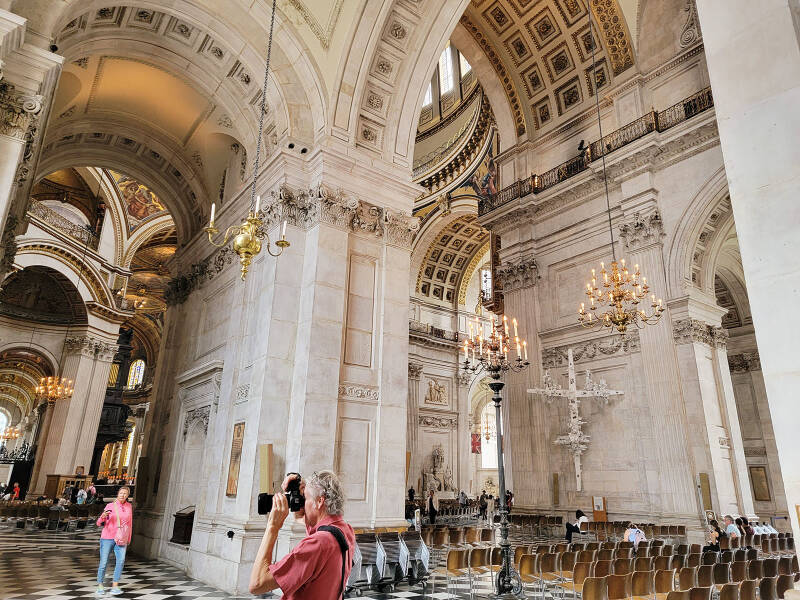
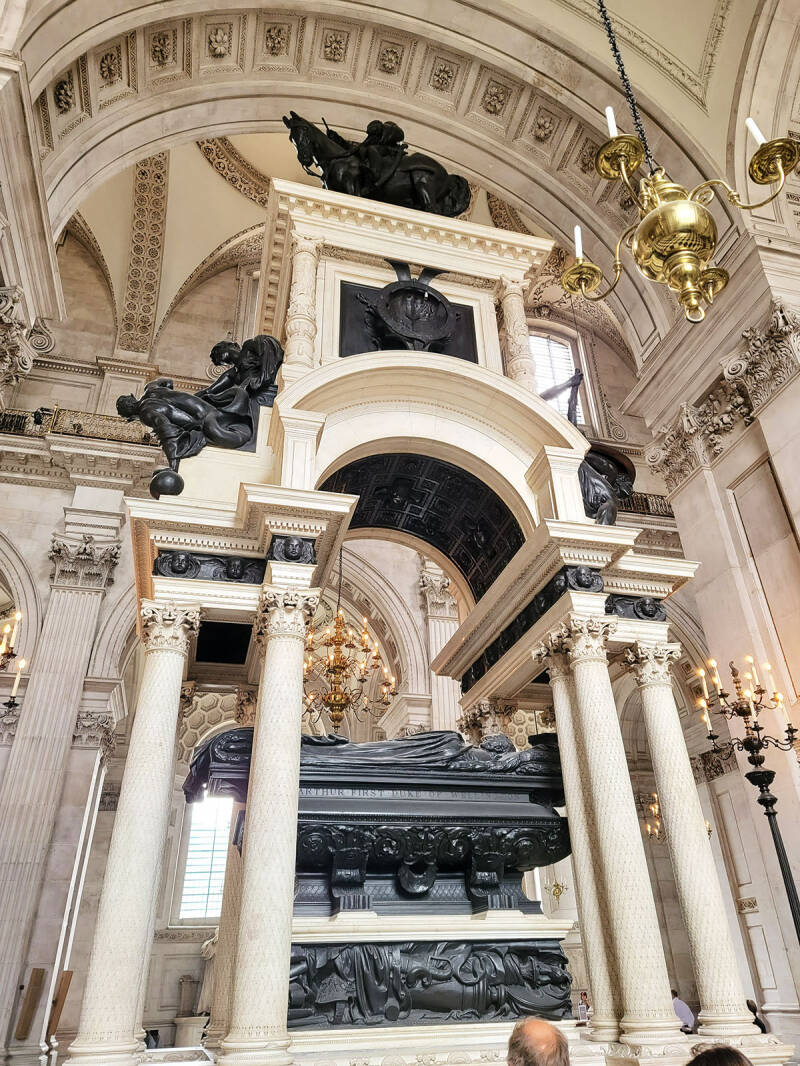
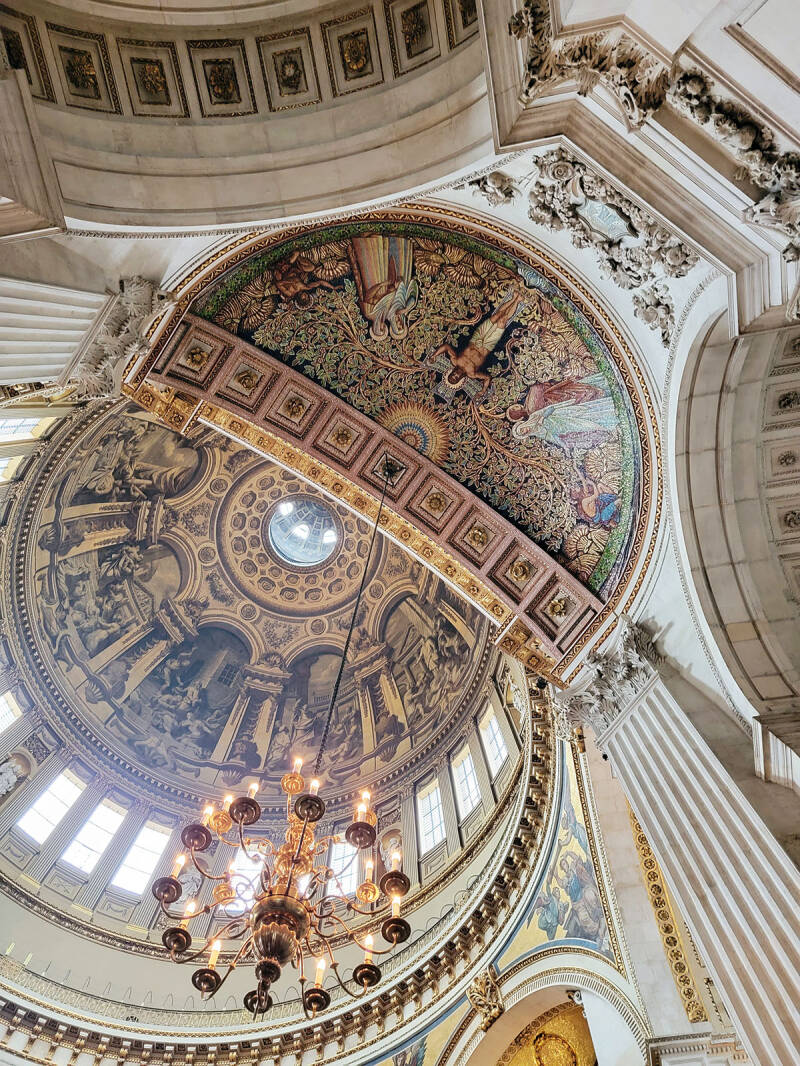
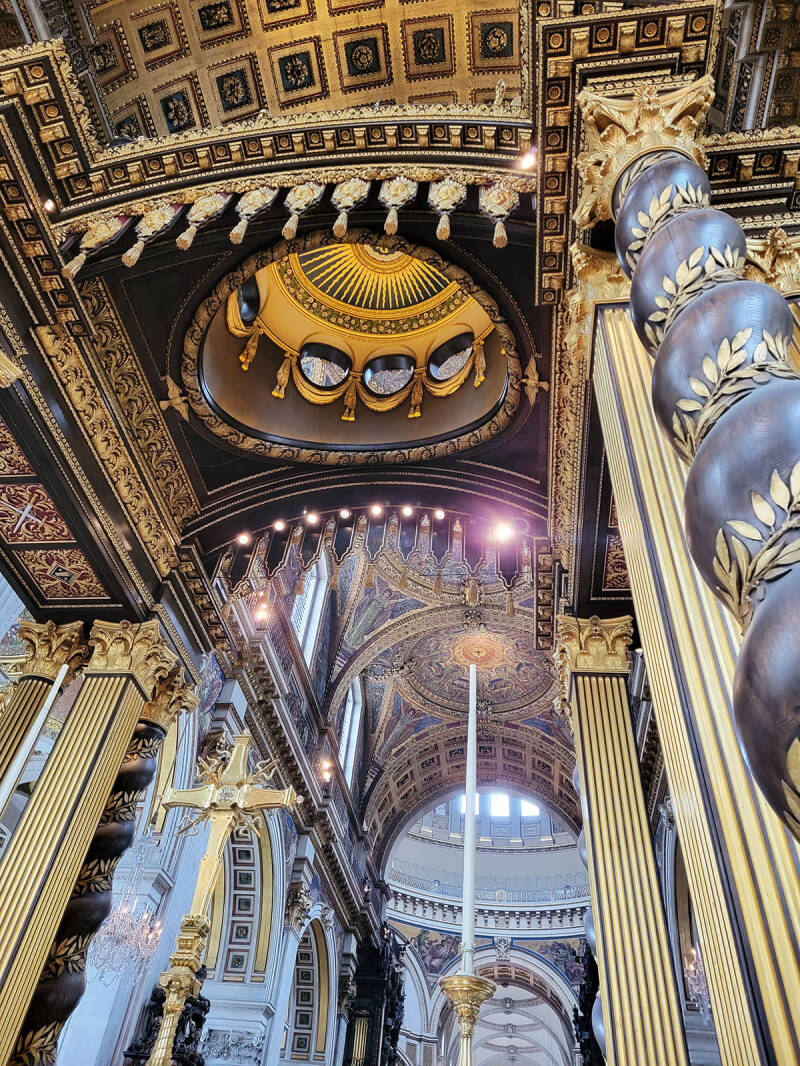
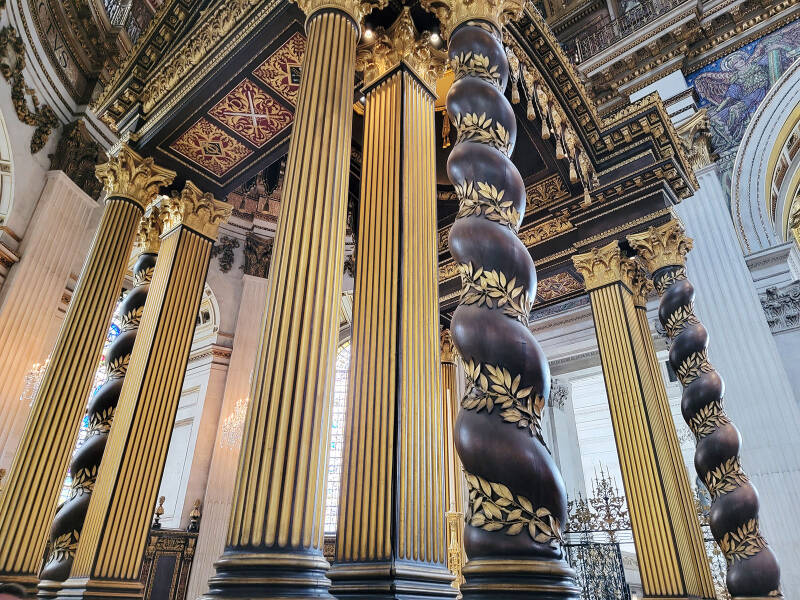
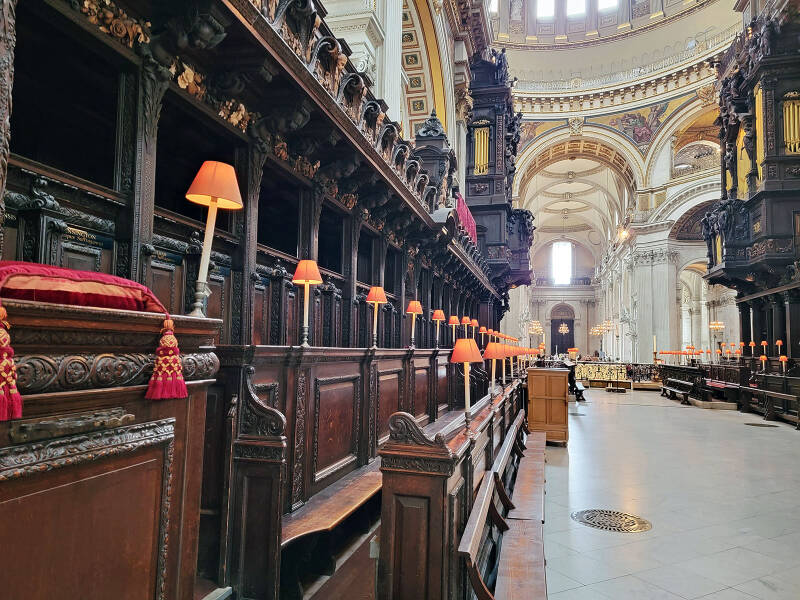
And that, really, brought our walk through beautiful London to an end.
We returned to Cambridge and celebrated the end of the program. Arseny received his certificate and, more importantly, made new friends and had an incredible time. He considers this trip the best thing that happened to him this year. He’s still in constant touch with the people he became friends with, even now, six months later.
He was, in fact, the only American on the program, so all those new friendships are now continuing online.
Create Your Own Website With Webador