England
Location: England, Wales (2018)
Duration: 9 days
Type: road trip
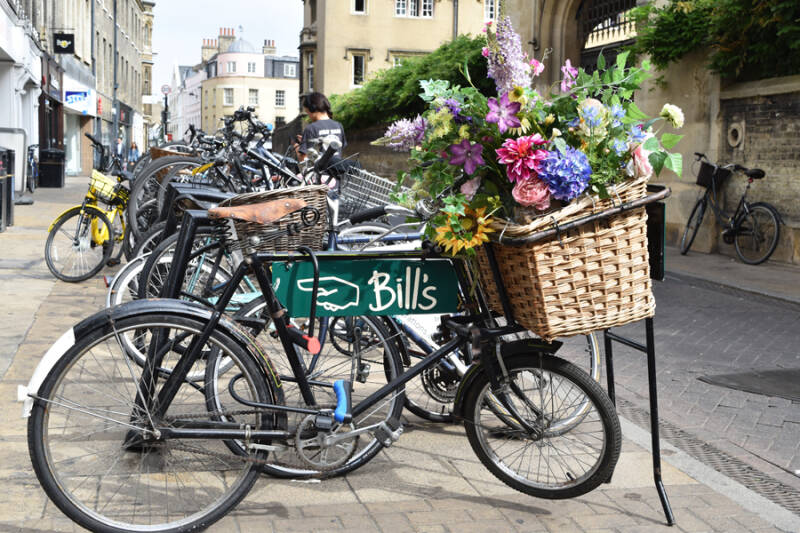
Part 1.
Having only nine days for all of England and Wales (not counting the two days spent traveling) is like walking into a fabulous restaurant, seeing tables groaning under the weight of the most wonderful dishes, and then discovering that you’re allowed to try only a couple of bites from the very last table — yes, that one, over in the corner. You can glance at the dessert trays as you walk past. Those little golden bowls filled with something mysterious and unknown? Don’t even think about it. Forget it. Here, you can stop for a minute and breathe in the aroma, but don’t you dare take a picture! (A special kind of torture.) Basically, grab whatever you can and get out. Of course, it’s better than nothing. But, damn, it’s so little!
I felt this especially acutely in London. The day before our flight, I was almost ready to cry because I hadn’t managed to see everything — not even everything on my already very modest list. I had planned London down to the last detail, except for one tiny thing: that at +32°C, it turns out you simply can’t make your legs work for twelve hours a day.
I had dreamed about England for an entire year. Dickens’s A Child’s History of England, along with Churchill’s The Birth of Britain and Britain in the Modern Age, had become my constant companions, and I suspect they’ll remain that way for another year at least. When I started planning the trip, it quickly became clear that neither TripAdvisor nor other people’s travel stories were going to help us much. We had to make our own must-see list.
So, who were we planning for?
There was Arseny (11 yo), fascinated by military history, our household expert on the First and Second World Wars — and a devoted admirer of Winston Churchill.
There was Ilya, for whom natural wonders have always mattered more than anything humans have built — especially mountains and caves. Although, to be fair, Ilya also wanted ancient castles.
And then there was me. Naturally, I wanted everything, all at once. But I was most interested in the Middle Ages and the early modern period, especially the stretch from Henry II to Charles I.
Why bother with Game of Thrones when you have the history of England?
So, the itinerary was built entirely around our personal interests and preferences. By American standards, the mileage was laughably small, but England is hardly a place to race through as if you were crossing the States. Quite the opposite: it was important to slow down to the English pace of life, to experience England from the inside rather than simply skim across its surface.
We spent hours walking around small towns, ate in authentic little restaurants, and stayed in old privately run guesthouses. And I think that, despite how short our visit was, we managed to catch a glimpse of England’s spirit — and, for a little while, truly feel it.
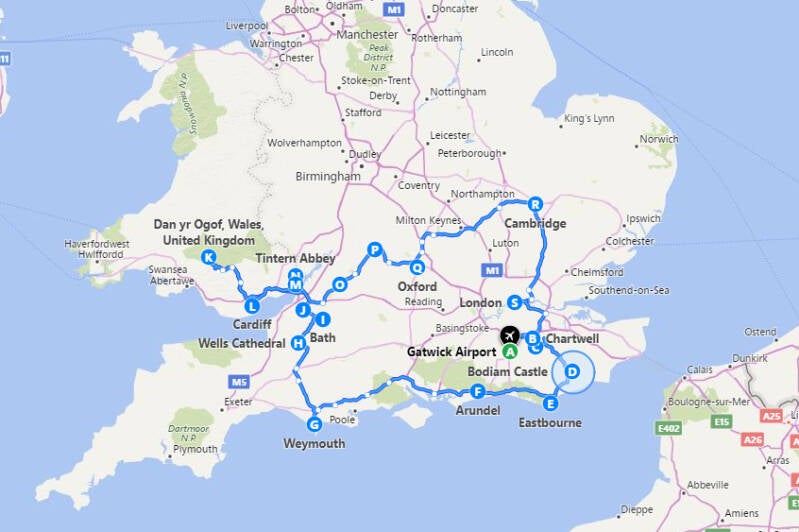
Day One
Long live nonstop flights! Nine hours straight from Seattle to London, flying over Greenland. Add another eight hours of time difference, and you have almost a full day lost to travel. We left home in the morning and arrived at Gatwick Airport early the following morning.
To avoid a prolonged bout of jet lag, we decided to stay awake until evening, but otherwise keep the day simple and easy. We almost succeeded. If we were periodically fighting the urge to fall asleep on the first day, by the second morning we were completely adjusted.
We picked up the car at the airport. It took Ilya surprisingly little time to get used to driving on the left. Still, we made the right decision not to head north from the airport, toward noisy, congested London, but south instead — into the countryside, through villages and out into the middle of nowhere.
We decided not to use the car in London at all and saved the city for the end of the trip. As it turned out, that was absolutely the right decision.
Our first stop was Chartwell. This place has a long history. For 700 years, it passed from one owner to another. The notorious Henry VIII (I’m going to have to mention this villain many times) stayed here more than once while courting Anne Boleyn.
But Chartwell is famous above all for its last owner: Winston Churchill.
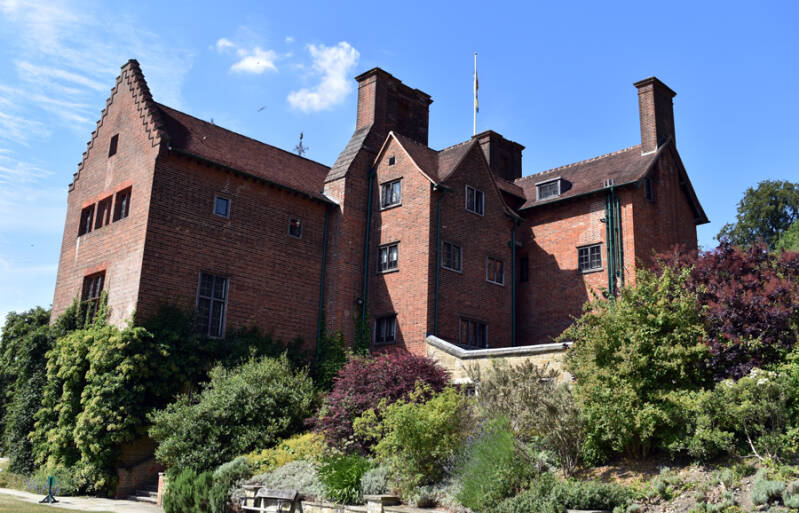
This was where Churchill spent much of his life. He made important political decisions here, wrote books, and painted. Since photography is not allowed inside the house, I’m using a picture from the official website.
Photo: National Trust — Chartwell
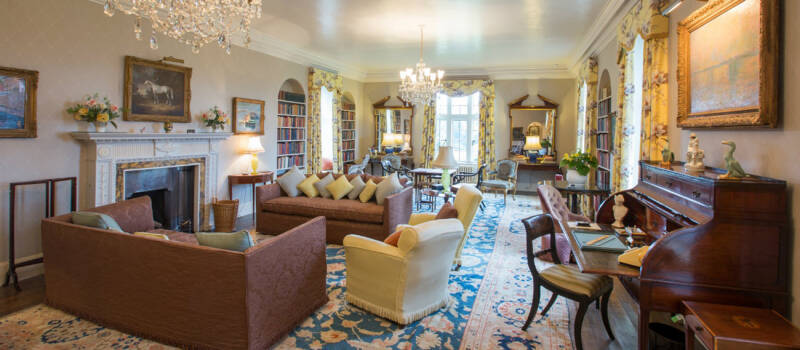
The English love Churchill, and that would become increasingly obvious throughout our trip. While Arseny was interested in Churchill as a political figure, I was much more curious about his family life — his wife and children. For all his many flaws of character, he was a wonderful husband.
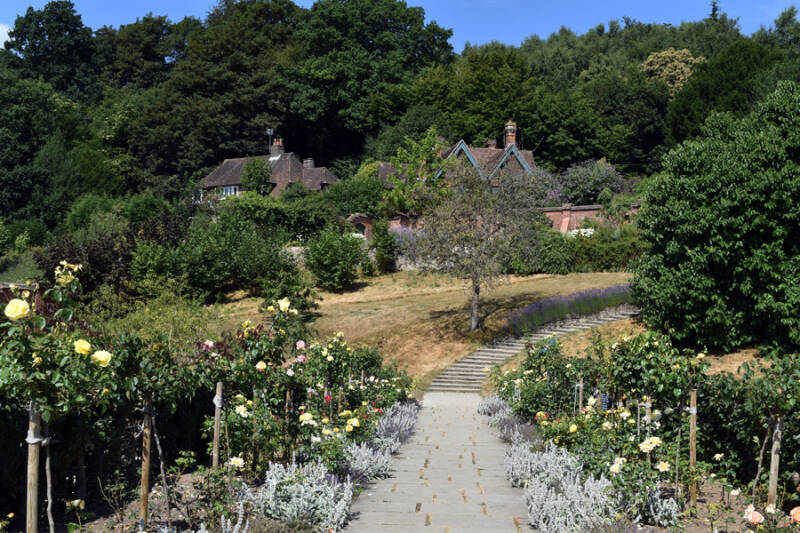
After walking around the estate and gardens that inspired Churchill so much, and having breakfast at the café there, we headed to our next destination. It was going to be a long drive — about 15 minutes. (That’s roughly the kind of distance between attractions in England.)
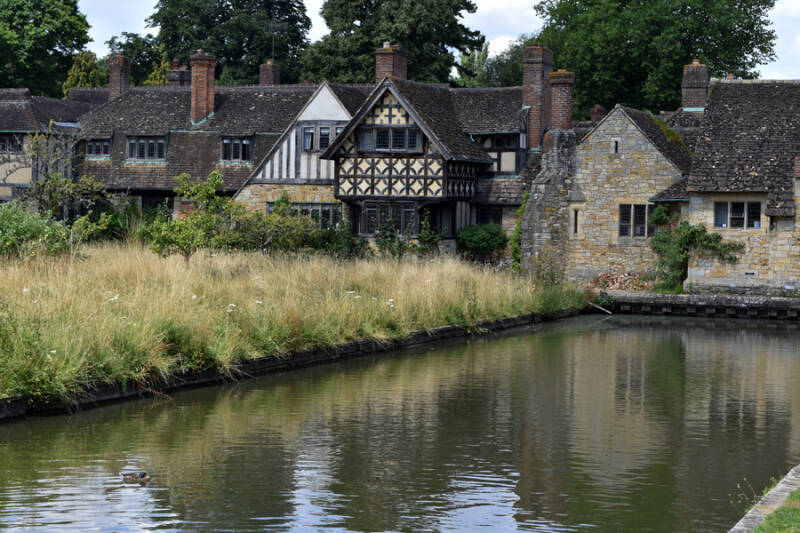
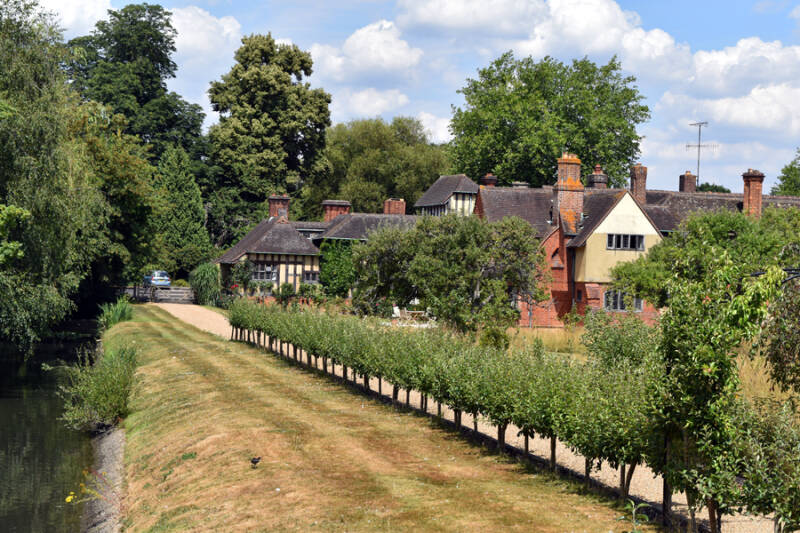
This time, it wasn’t an estate but a proper castle, complete with all the requisite trimmings: Hever Castle.
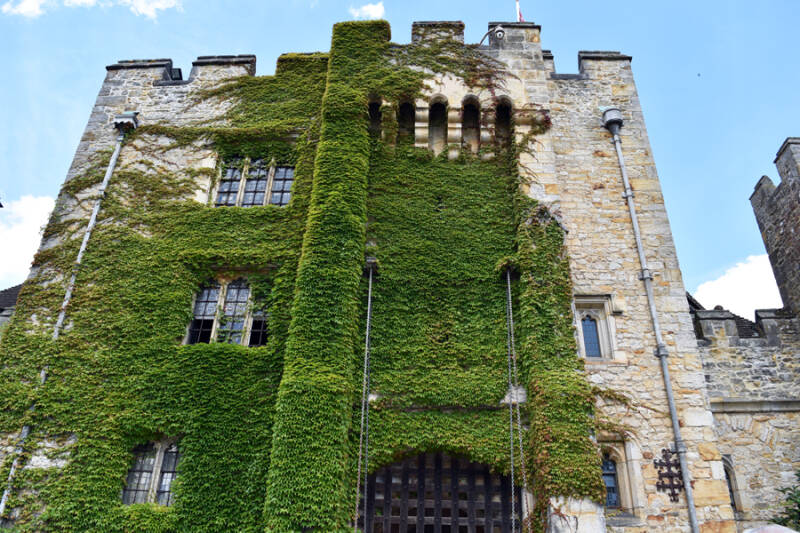
The Boleyn family lived here from 1462 onward, and things were probably going quite well for them. But then Henry VIII came to the throne.
He was already married when he took Mary Boleyn as his mistress. And then he fell in love with her sister, Anne Boleyn.
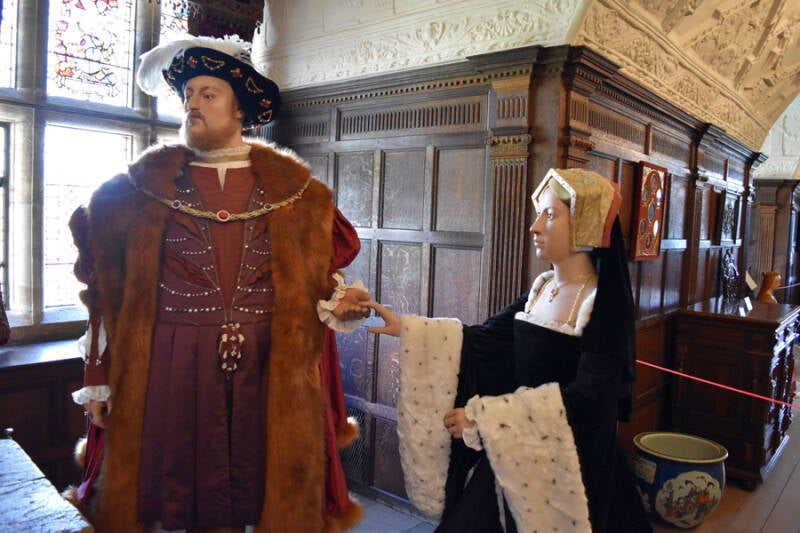
Back then, he was apparently still quite an attractive man. It was only later that he grew so enormous that the English nicknamed him “Fat Harry.” Here is how ambassadors described the young Henry:
“His Majesty is one of the handsomest monarchs I have ever seen. He is taller than average and has exceptionally well-shaped legs. He has fair skin and chestnut hair, cut short in the French fashion; his round face is so handsome that it would suit a pretty woman.”
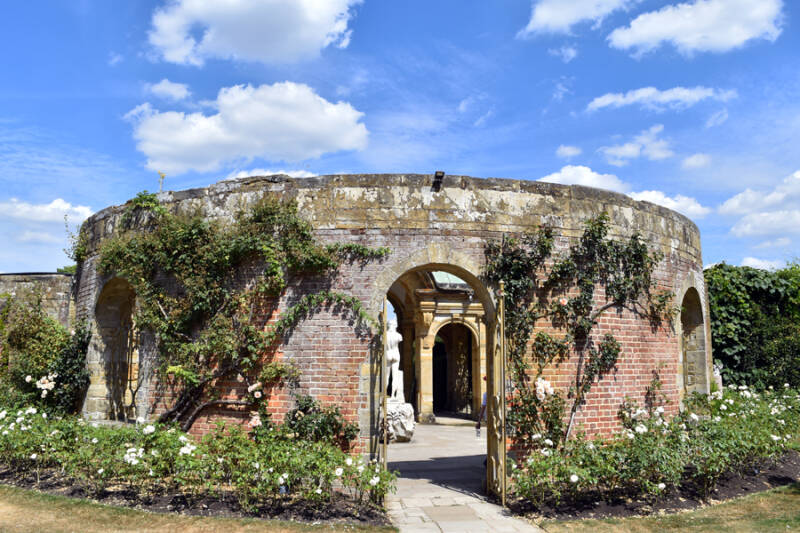
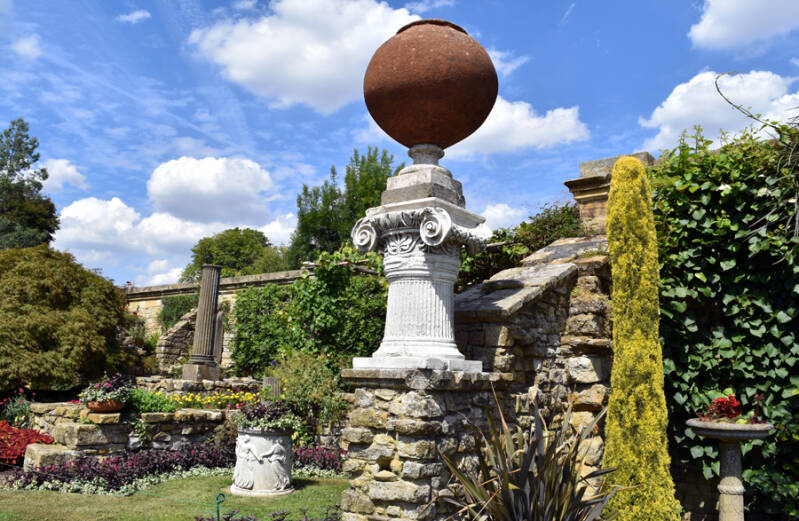
For almost a year, Anne refused to become the king’s mistress. The king was not opposed to marriage, but there was one small problem to solve: Henry’s actual wife, Catherine, stubbornly refused either to die or to agree to a divorce.
Over sixteen years of married life, she had given birth to five children, but only one daughter survived. Henry, however, needed a male heir. And obtaining permission for a divorce from the Catholic Church was virtually impossible.
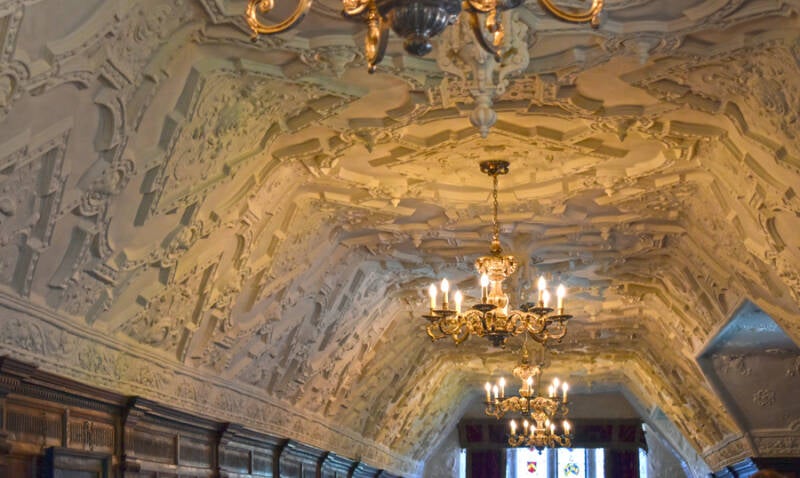
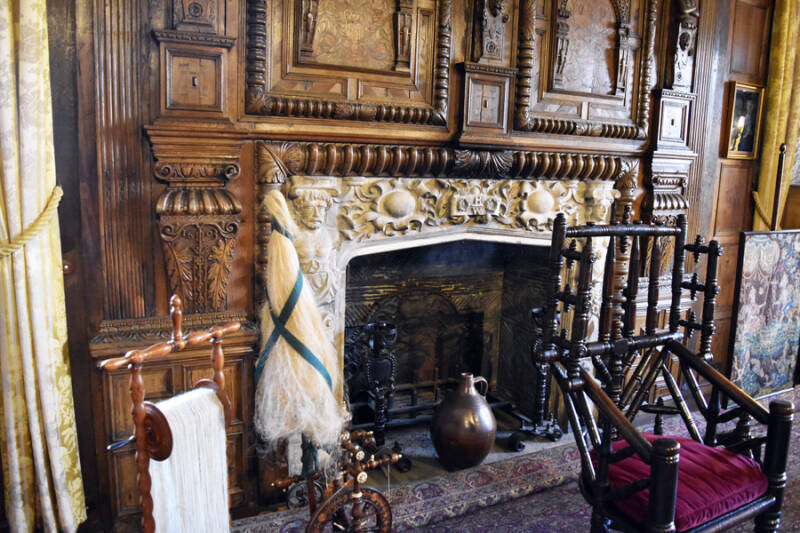
Then Anne gathered a group of theologians who argued that the King of England was himself the head of the Church in England and did not have to answer to the Pope. This marked the beginning of the creation of the Church of England.
Henry divorced Catherine and married Anne. But Anne failed to give him a son either. Another daughter, followed by a series of miscarriages. And then Henry declared that he had been “seduced and lured into this marriage by witchcraft.” Anne was accused of every possible kind of infidelity and beheaded.
Henry’s next wife was Jane Seymour, a lady-in-waiting to his previous wives. She finally gave the king the long-awaited son, a sweet little boy whom we know best from The Prince and the Pauper. Jane died in childbirth. Portraits of her son Edward, who managed to become king but died at the age of 15, still hang in the castle today.
After Jane’s death, Henry married again and gave Hever Castle to his new wife. It was a political marriage that quickly ended in divorce. He had agreed to the marriage based on her profile picture solely on a portrait of the bride but categorically refused to consummate the marriage once he saw her in person.
Henry’s next wife was Anne Boleyn’s cousin. And she, too, ended up on the scaffold.
English schoolchildren memorize Henry’s numerous marriages with the famous formula: divorced – beheaded – died – divorced – beheaded – survived.
So, yes, quite a lot happened around this castle during Henry’s reign.
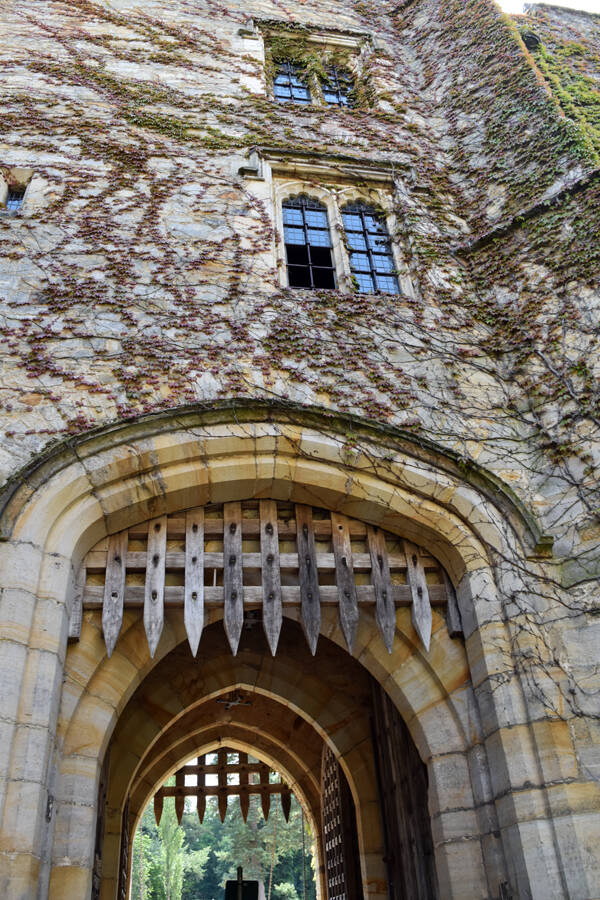
This was the first — and probably the most modest — of the surviving castles we saw in England.
We continued south, left Kent behind, and found ourselves in Sussex.
Before us was another castle — or rather, what remains of one: Bodiam Castle.

The castle was built by Sir Edward Dallingridge, a knight, in the 14th century, but was badly damaged during the English Civil War in the 17th century. Yet even in its ruined state, it is beautiful — there is something almost dreamlike about it. It feels like a mirage emerging from the Middle Ages, shimmering on the surface of the water: shake your head, and it might disappear.
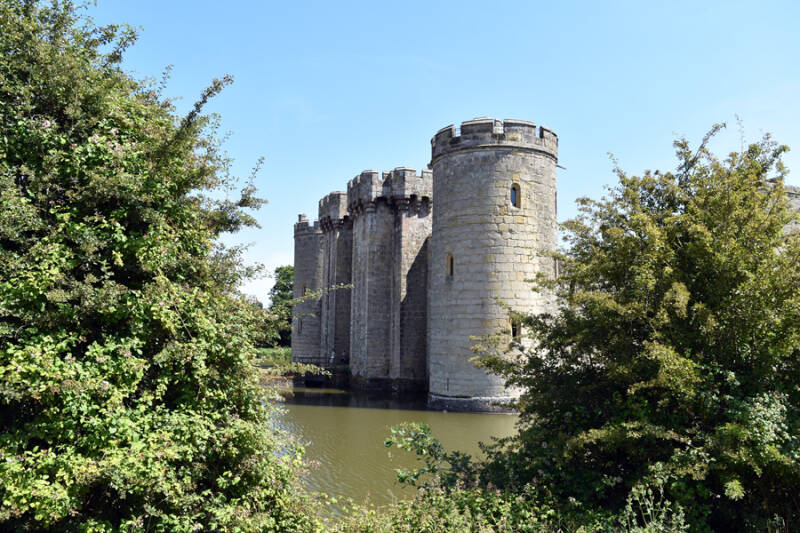
Inside, you can let your imagination run wild — there was once a huge fireplace,
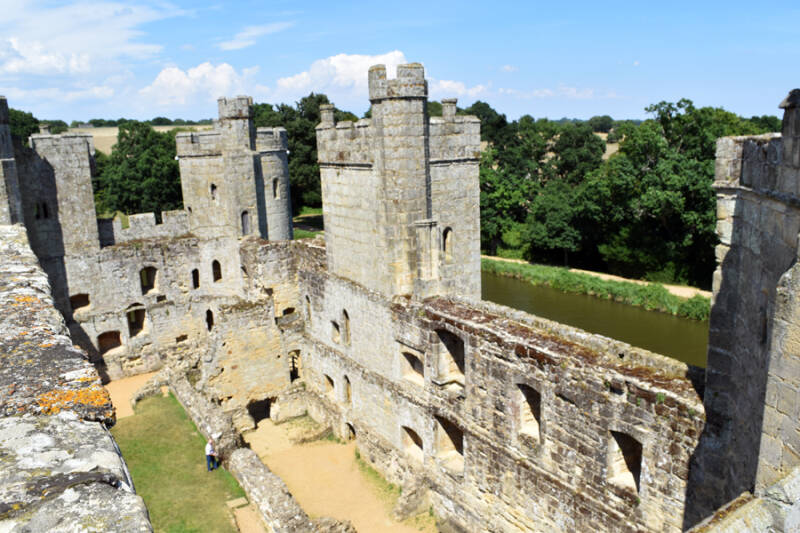
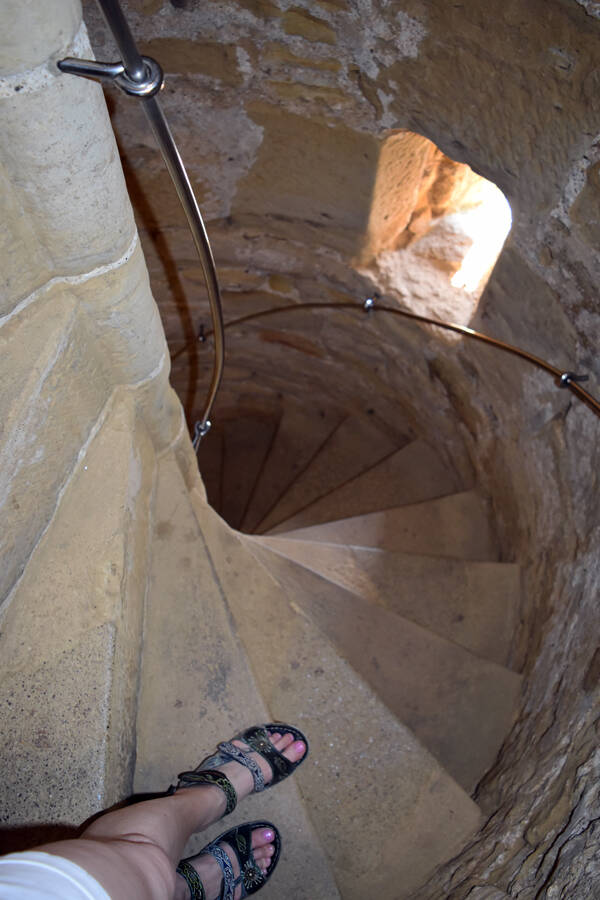
and here is the spiral staircase leading up to the watchtower,
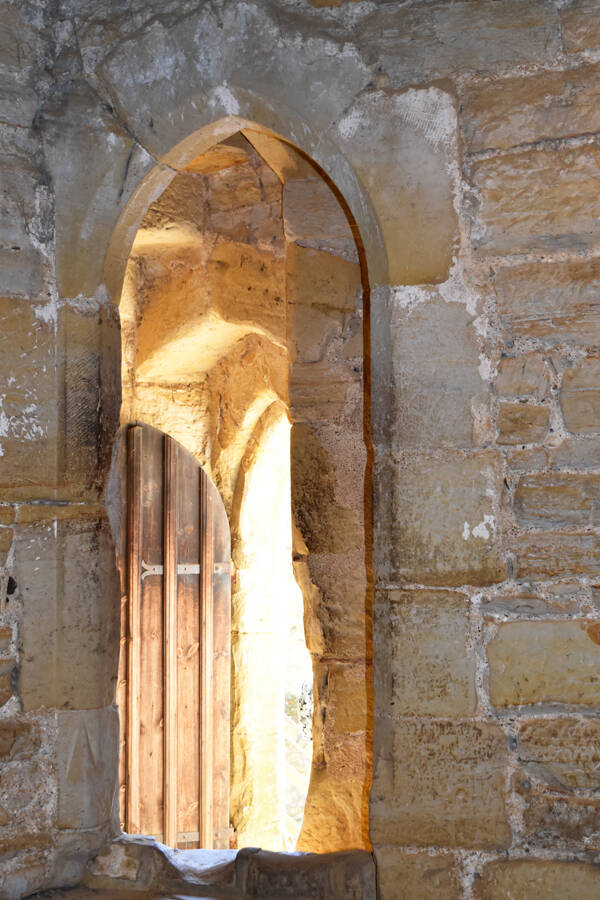
A window in someone’s bedroom…
Our plans for the day weren’t over yet, but our energy certainly was. According to our biological clocks, morning was fast approaching. We decided to head to our hotel and simply take a walk around Eastbourne, where we were spending the night.
Oh, what a wonderful little house was waiting for us! And what wonderfully welcoming hosts!

And windows overlooking the sea… pure bliss.
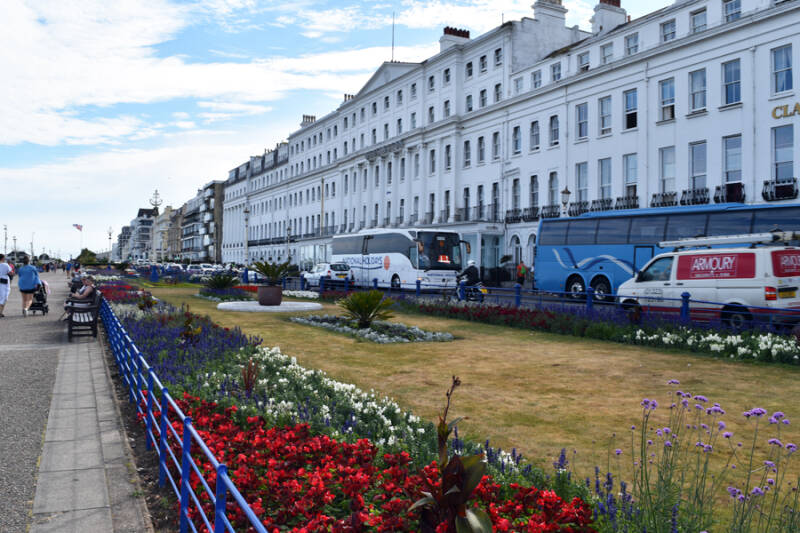
We went for a walk along the seafront, stumbled upon a lovely little restaurant, and had dinner.
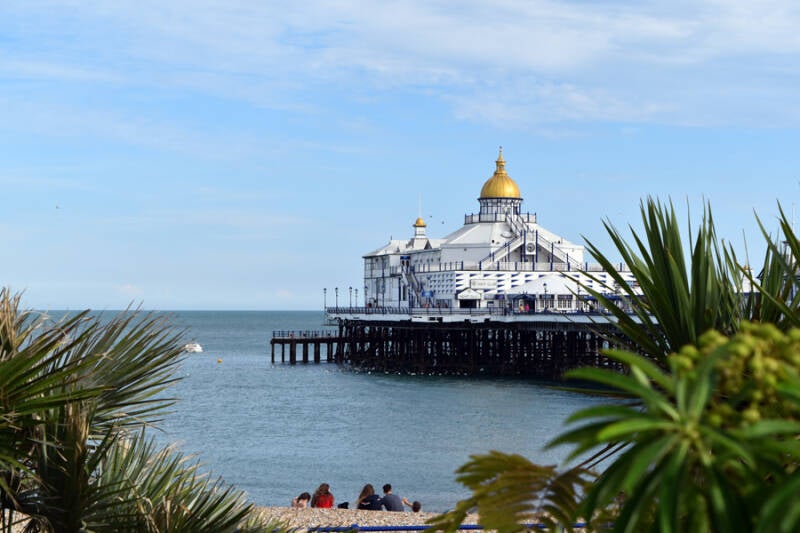
And with that, our first day in England came to an end.
Happiness, pure happiness.
Day Two
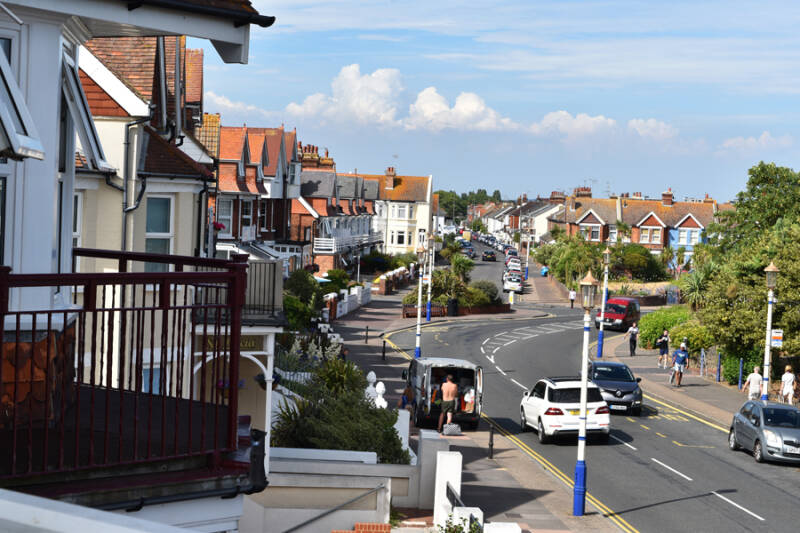
In the morning, we threw open the windows and stepped out onto the balcony to admire the sea and the surrounding scenery.
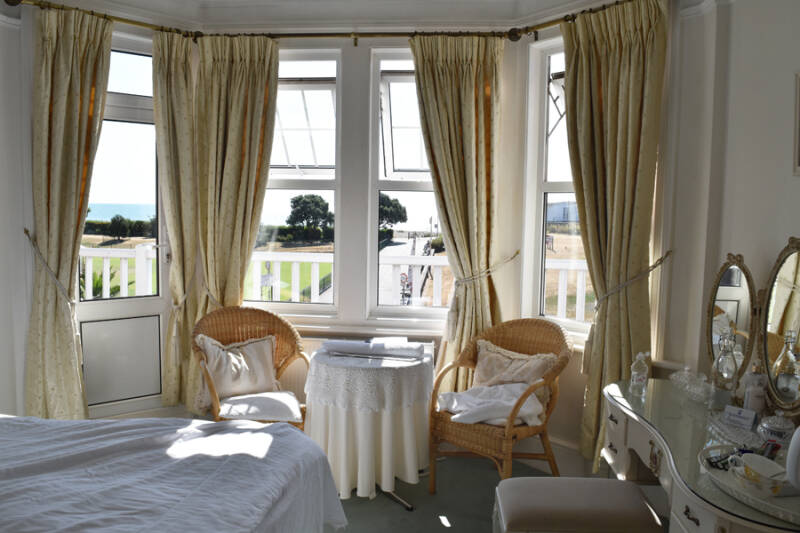
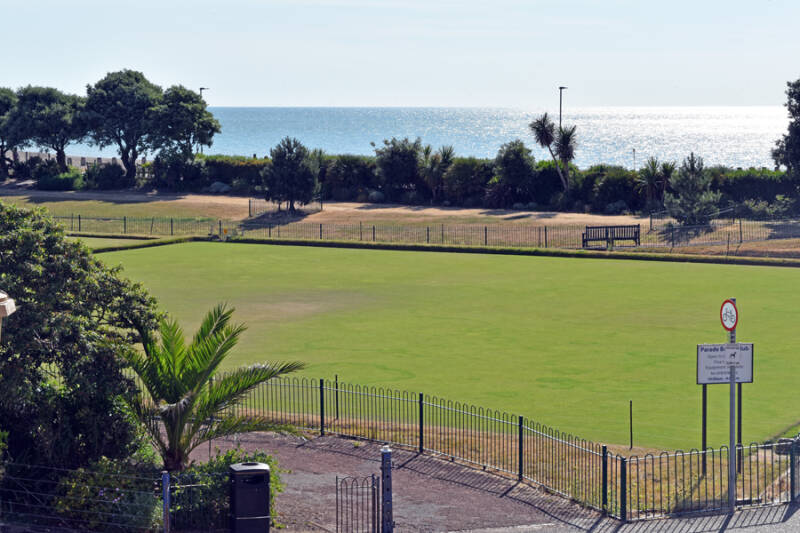
Isn’t it lovely?
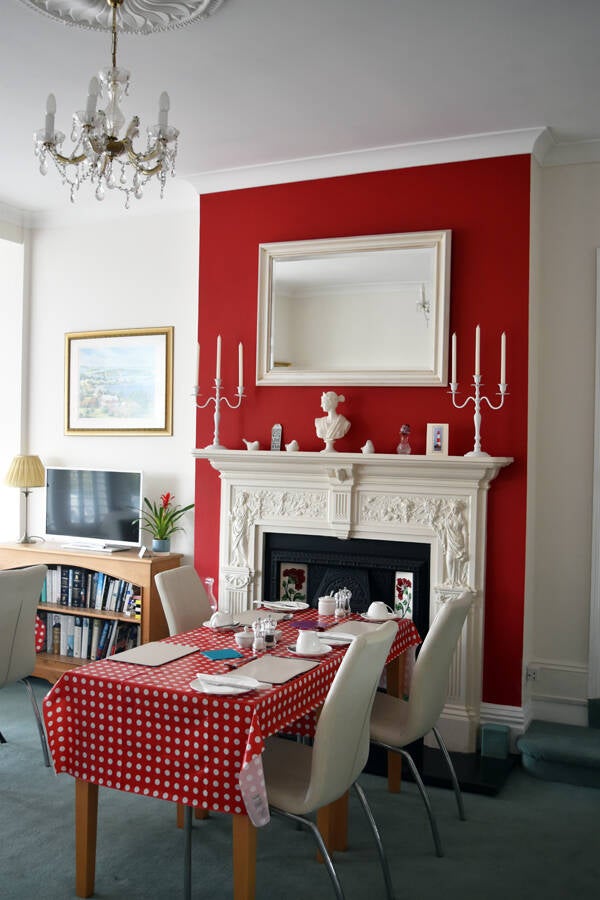
And breakfast was served right here:
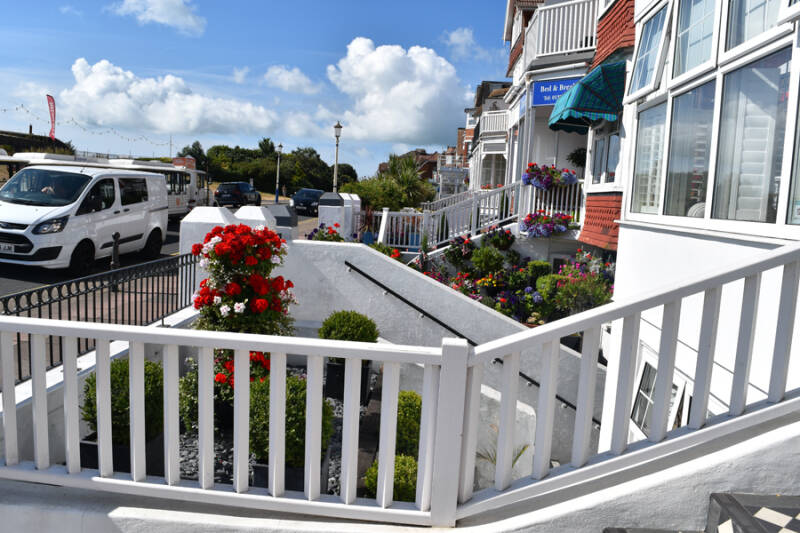
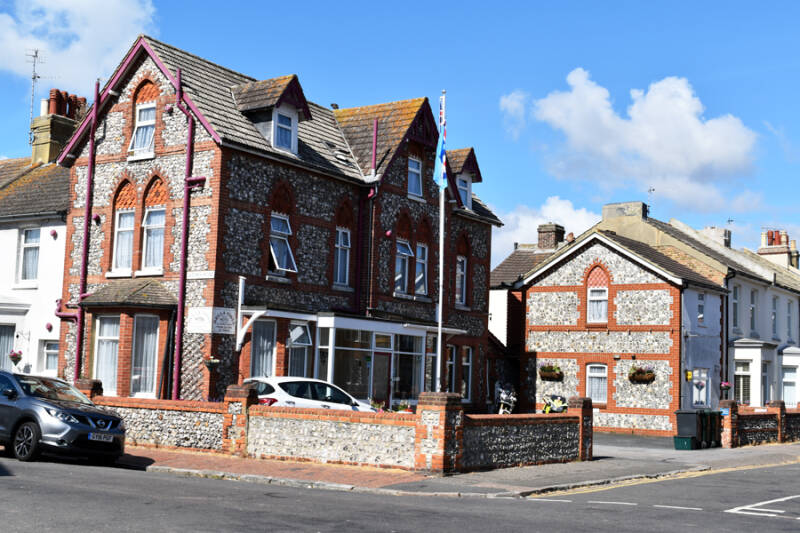
We went for another walk, this time not along the seafront but through the parallel streets, in search of an ATM and some fruits.
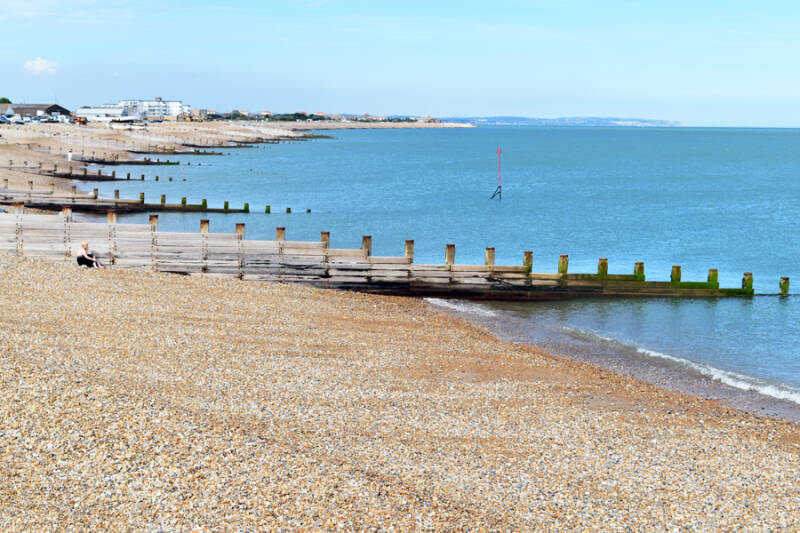
People come to Eastbourne to see the famous white cliffs — the Seven Sisters. That’s actually the reason we ended up here too.

To our left, endless golden fields dotted with thistles,
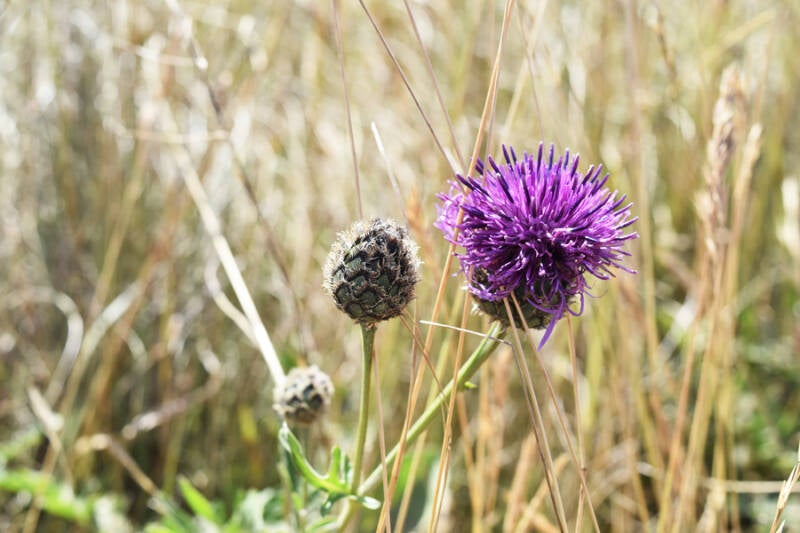
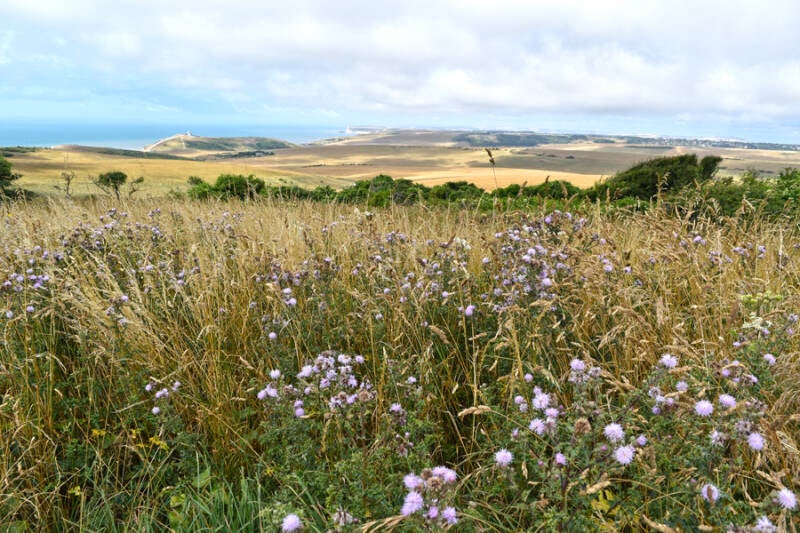
and to our right, the silvery-blue expanse of the sea.
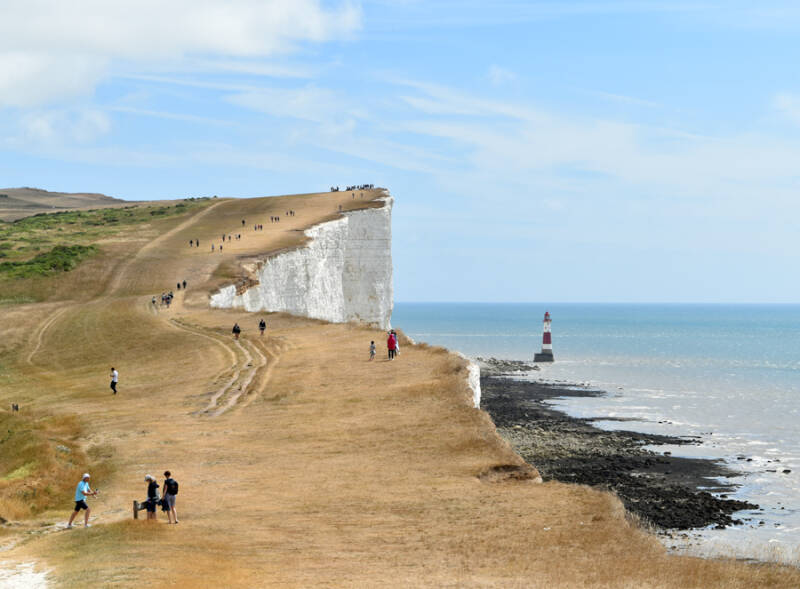
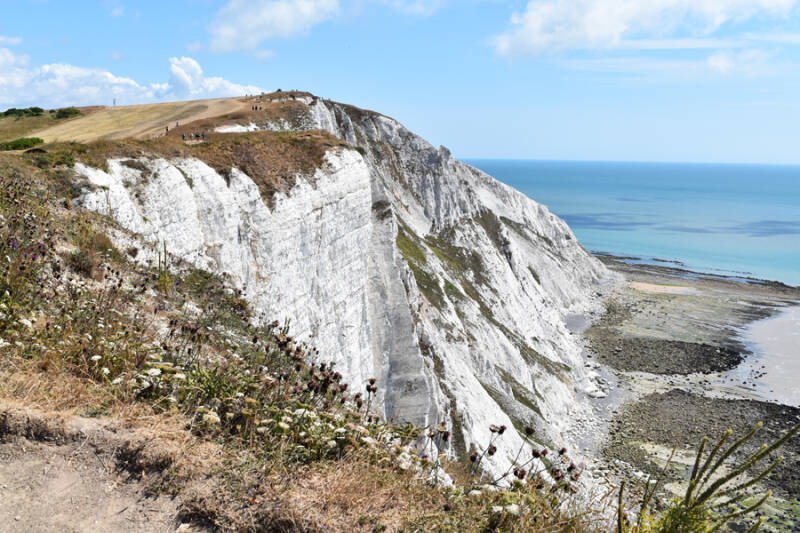
And between them, sheer white cliffs, dazzlingly white.
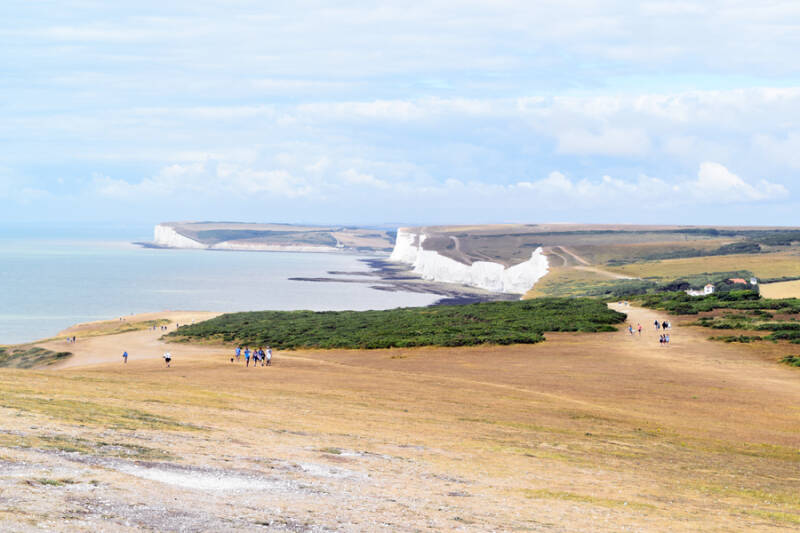
The wind was warm and strong, endlessly rippling the grass and lifting tiny flakes of white chalk into the air, creating the sensation of a never-ending, gentle snowfall. I don’t know how typical this phenomenon is for the Seven Sisters, but we were showered with chalk throughout the entire hike.
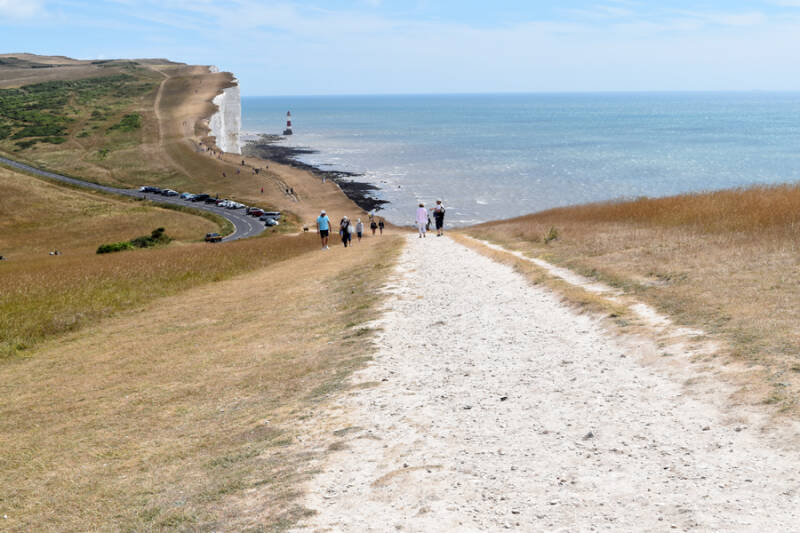
For some reason, the English Channel is most strongly associated in my mind with two characters: d’Artagnan, rushing back and forth across it in pursuit of the diamond pendants, and Jeanne de Clisson — the famous female pirate, a Frenchwoman who fought the French in these very waters. The story of this utterly mad avenger is absolutely extraordinary. It was here, beneath the white cliffs of England, that her little oarless ship was driven back from the shore by a storm as she fled from French soldiers.
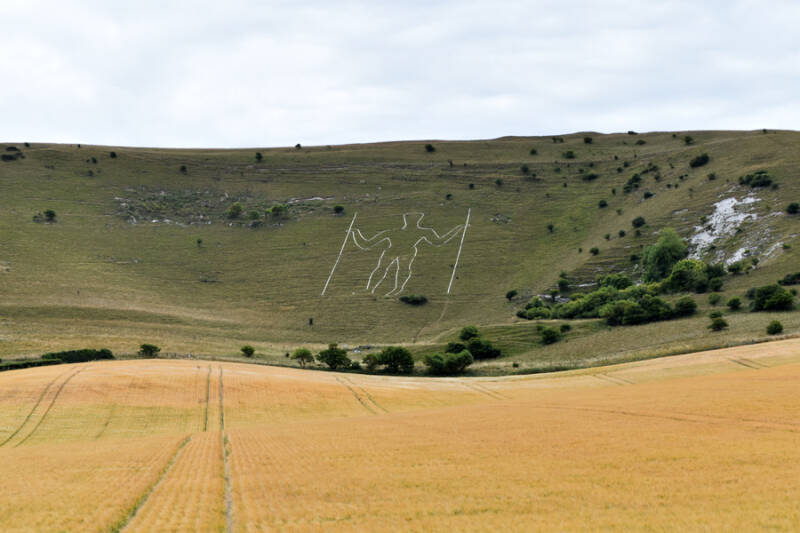
After a wonderful walk, we continued westward, following the coast. Two interesting figures appeared along our route.
The Long Man of Wilmington:
and Litlington White Horse.
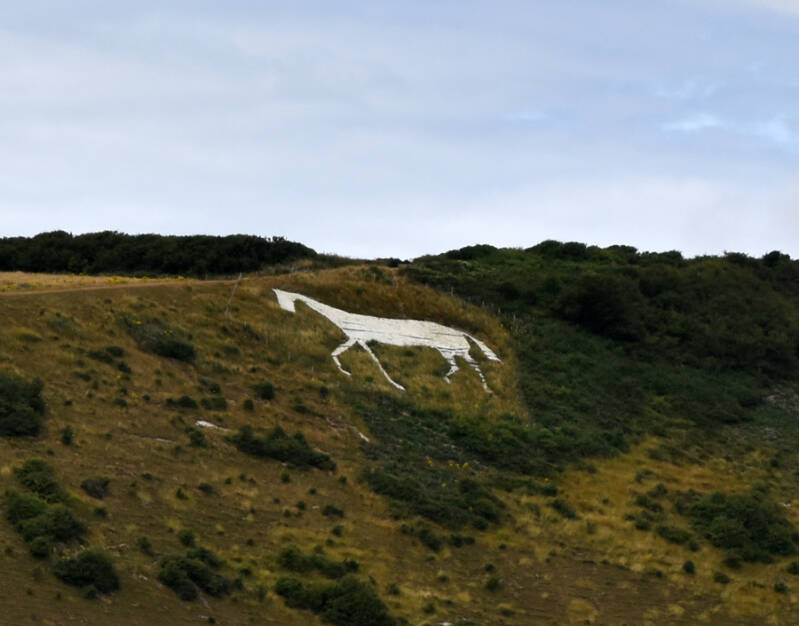
Both are enormous — each is about 72 meters tall.
For a long time, people tried to figure out who created them and when. The Long Man was first mentioned in written records in 1766. Modern researchers believe that it is actually around 400 years old. Who created such enormous figures, and why, remains a mystery to this day.
We drove through the countryside — the narrow, winding single-track roads of England are quite an experience for drivers and add a few gray hairs along the way — and eventually reached the city of Brighton.
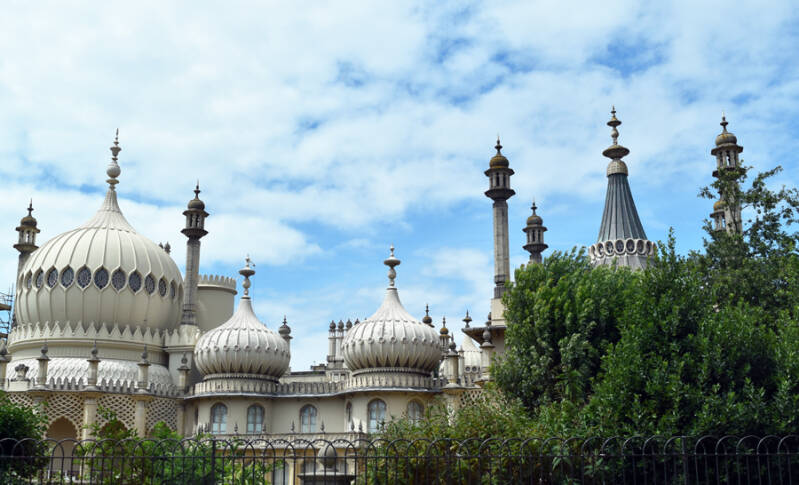
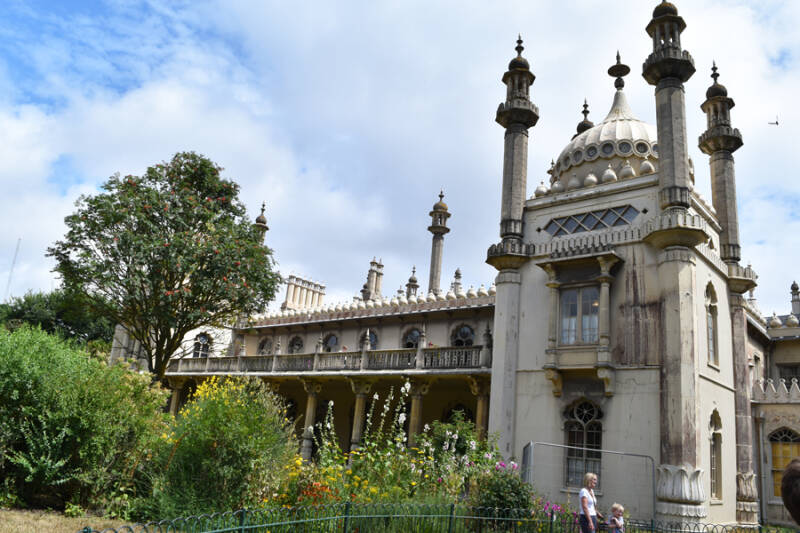
The Royal Pavilion gradually appeared before us, like a palace emerging from an old Eastern fairy tale.
In fact, that’s exactly what it is: a palace, the summer residence of British kings in the 18th and 19th centuries, built in an Indian-inspired style.
This is where my suffering began all over again — being someone who is not allowed to take photographs indoors. God, how I hate that rule. I managed to take just the very first shot, at the entrance to the very first room, before I spotted the “No Photography” sign.
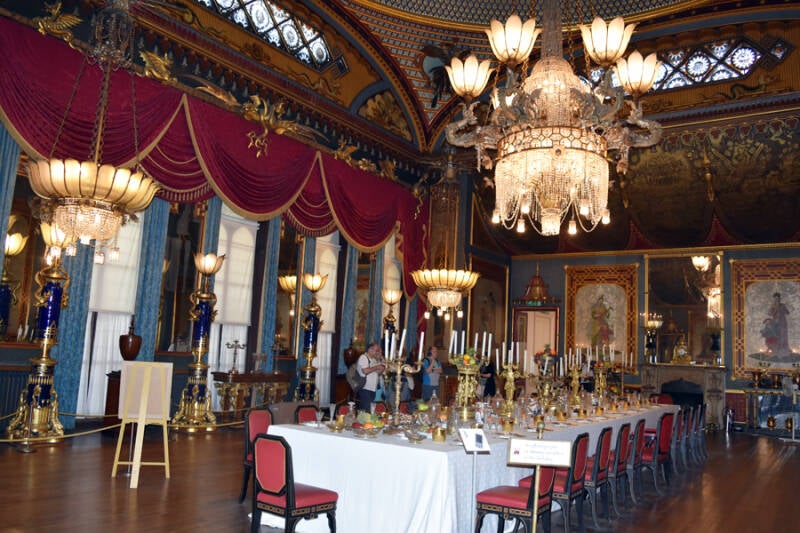
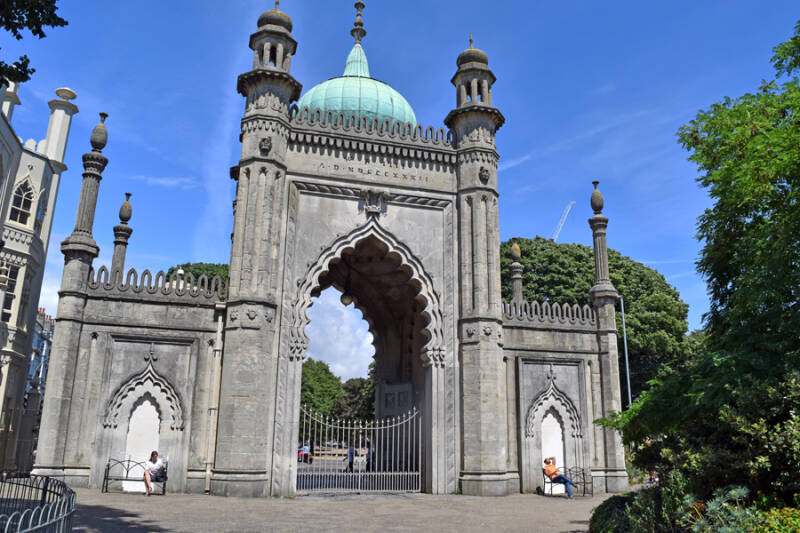
A beautiful, elegant palace.
After touring the palace and taking a short walk around the area, we continued on to yet another castle.
Arundel Castle was probably the grandest and most magnificent of all the castles we saw.
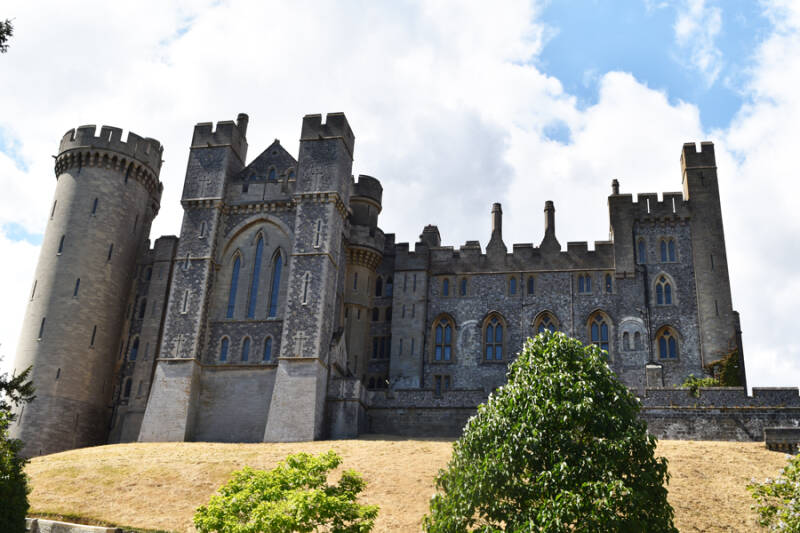
It is over a thousand years old (just think about that!). Like Bodiam Castle, it was badly damaged during the English Civil War, but thanks to restoration work carried out in the 18th century, it is now in magnificent condition.
Sigh… and no photography inside this one either.
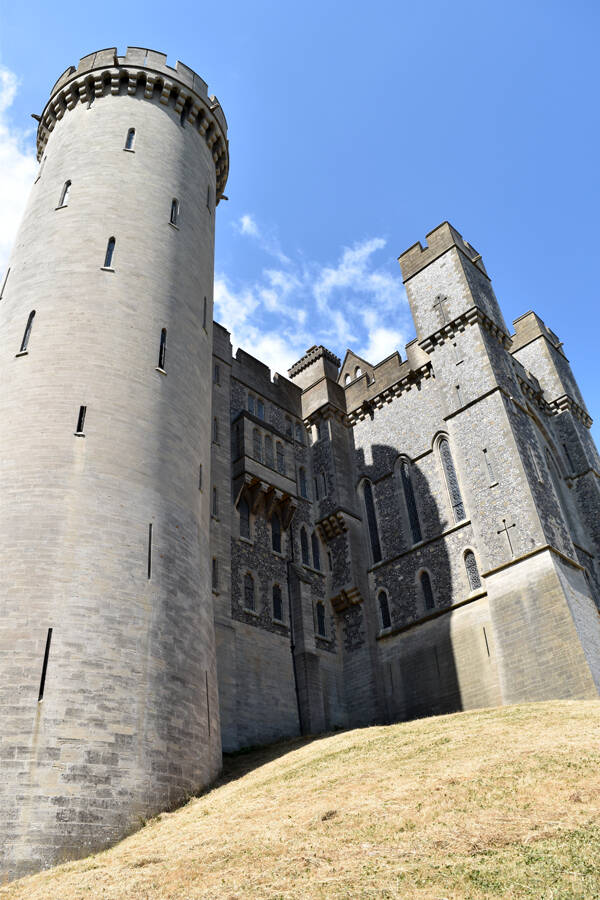
We also loved Arundel itself and very much enjoyed wandering around the town.
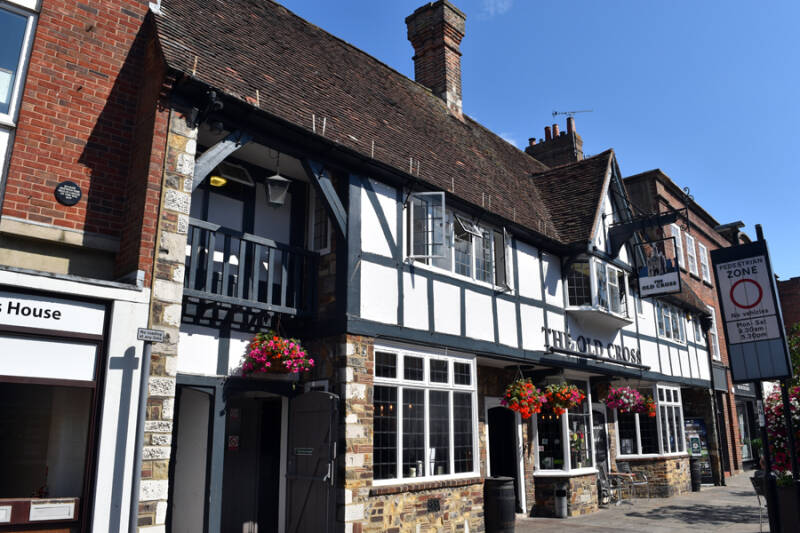
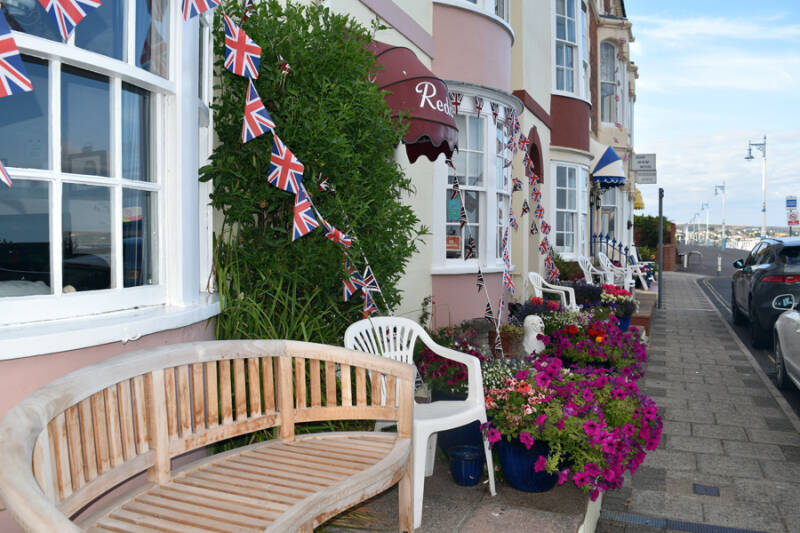
With all our walks and café stops, we didn’t reach our hotel in Weymouth until evening. This time we got a more modest B&B, but it was right on the very edge of the sea.
Day Three
As much as we would have loved to continue along the coast all the way to Cornwall, it was time to turn north and head inland. Today, we needed to make it as far as the city of Bath.
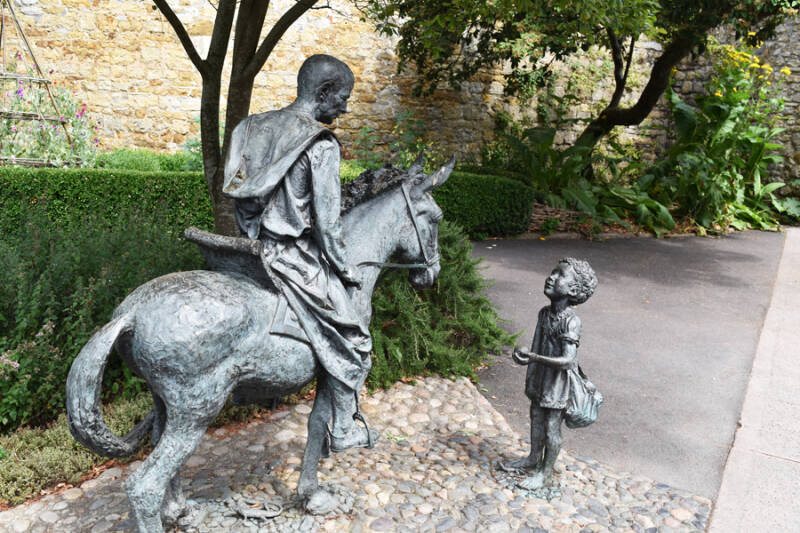
The first place that was an absolute must for us was Glastonbury Abbey — or, more precisely, what remains of it. The abbey was founded as early as the beginning of the 7th century and would probably have survived intact to this day were it not for that notorious Henry VIII. Among other things, in order to legitimize his relationship with Anne Boleyn, he broke with the Vatican, set the Reformation and the Church of England in motion, and then launched the dissolution of hundreds of monasteries, abbeys, and priories across England, Wales, and Ireland.
All their property was transferred to the Crown and to the new nobility. Needless to say, the process was accompanied by brutal repression and executions. After the monks were expelled, the abbey buildings were quarried for stone to pave roads.
And so, as a result of all these “reforms,” instead of an abbey, we are left with impressive and beautiful — but still, ruins.
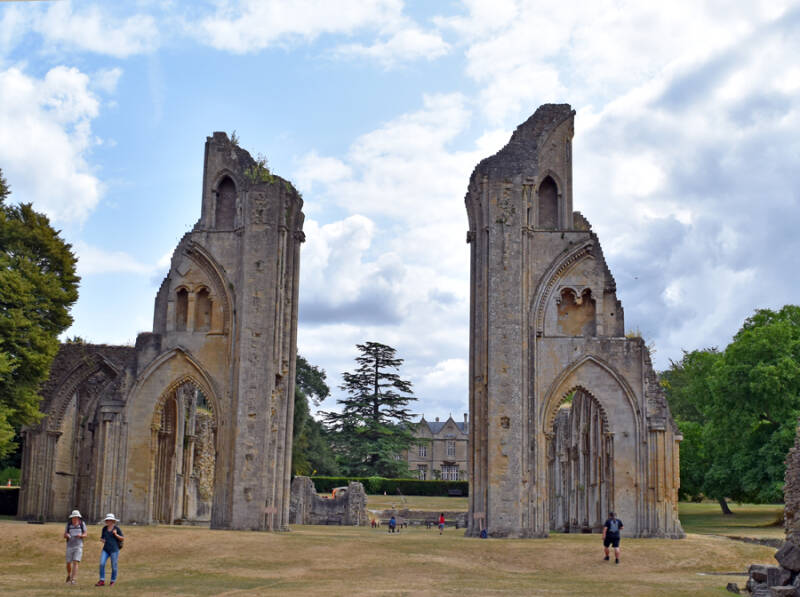
What interested us in Glastonbury, however, were events from a much more distant past. The town itself was founded before the beginning of the Common Era, and in the 1st century, according to legend, a rather extraordinary figure arrived here: Joseph of Arimathea.
According to the Gospels, this Jewish elder was the man who took Christ down from the cross and laid him in the tomb he had prepared for himself. He is also said to have taken the cup and collected in it drops of the Savior’s blood, thereby ensuring centuries of people eager to find that very cup. According to legend, Joseph brought the Holy Grail here, to Glastonbury.
And from the legends of the Holy Grail, we learn that several centuries later, Joseph’s spirit appeared to the Knights of the Round Table — Percival, Galahad, and Bors — and passed the Grail on to them.
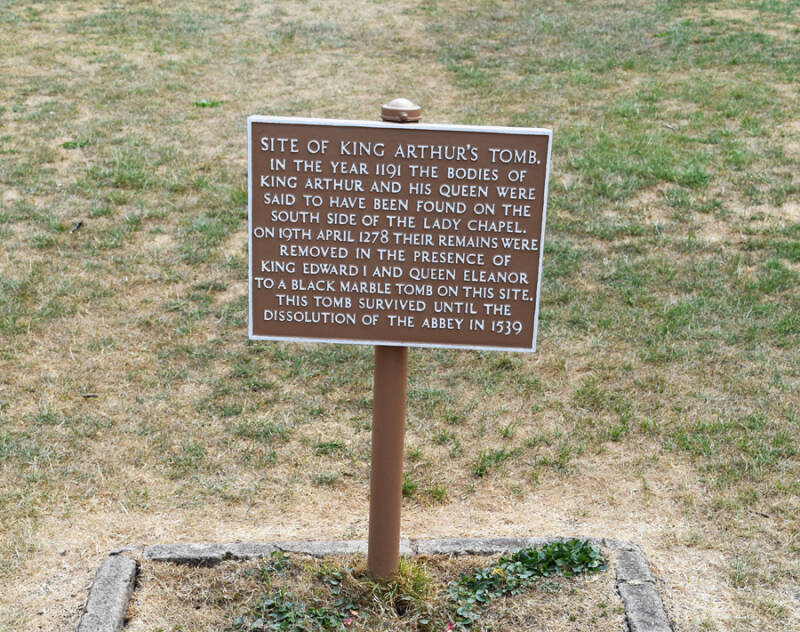
And this is also where the tomb of King Arthur himself is said to be.
There it is.
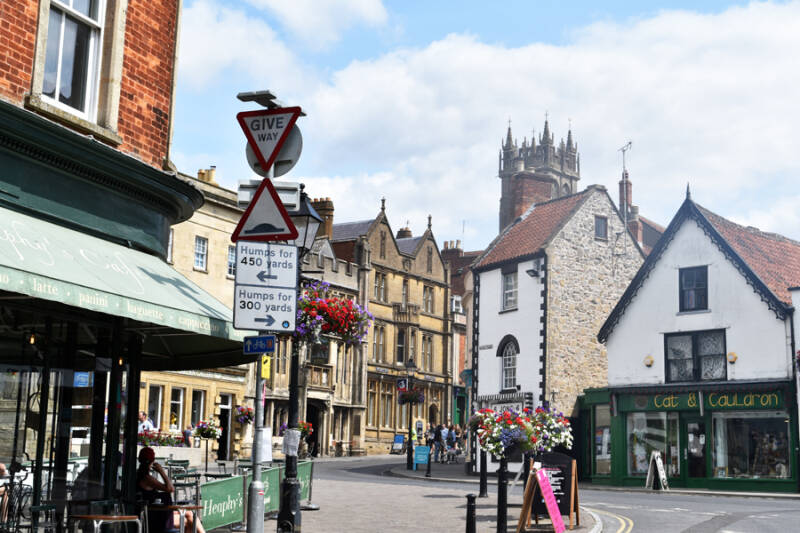
The atmosphere in Glastonbury is extraordinary. It feels not merely ancient, but almost magical. It’s hard to believe that these aren’t film sets, but real homes where ordinary people live their ordinary modern lives. And yet, this feeling would come over us more than once during the trip.
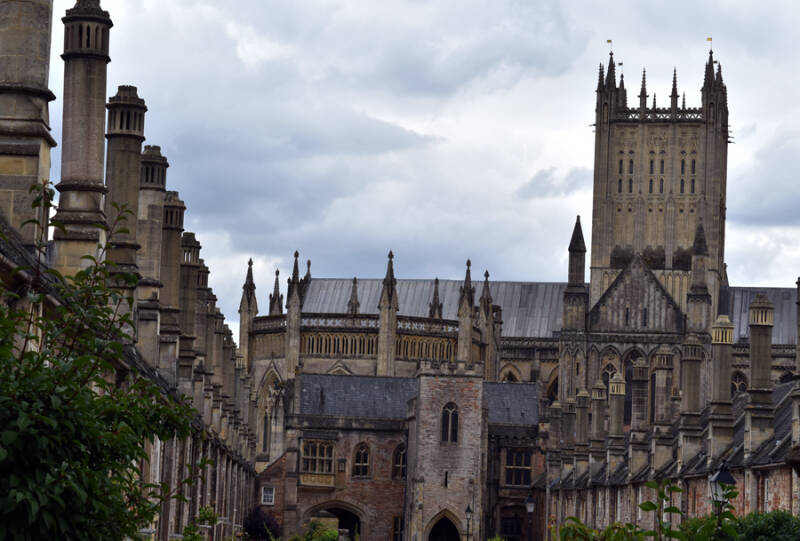
We drove a little farther, and there it was before us: Wells, with its Gothic Cathedral of St Andrew the Apostle.
This is early English Gothic at its finest. Construction began in 1175, and the cathedral was built on the site of an even earlier church dating back to 705.
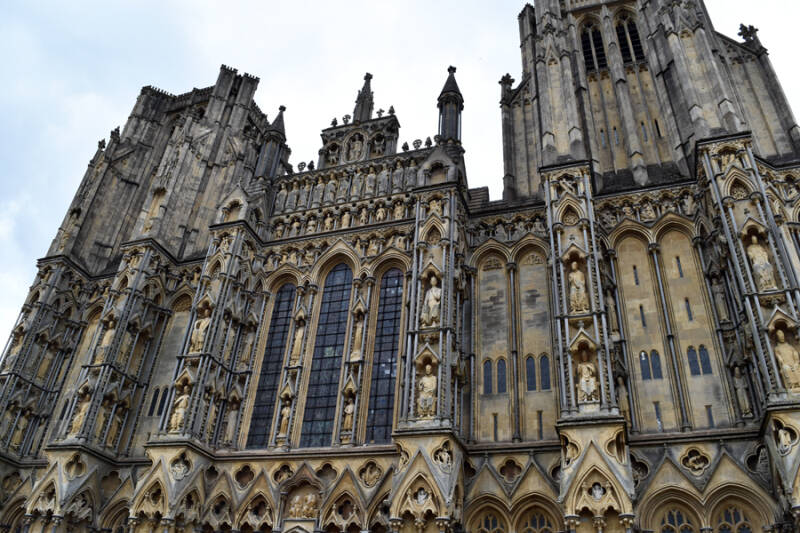
The cathedral seemed to cast its own spell over the town. Only here, for the first and last time during our entire trip, clouds suddenly gathered overhead. The colors of summer faded, as though they had been bleached by age, adding to the cathedral that very Gothic sense of “terrifying grandeur.”
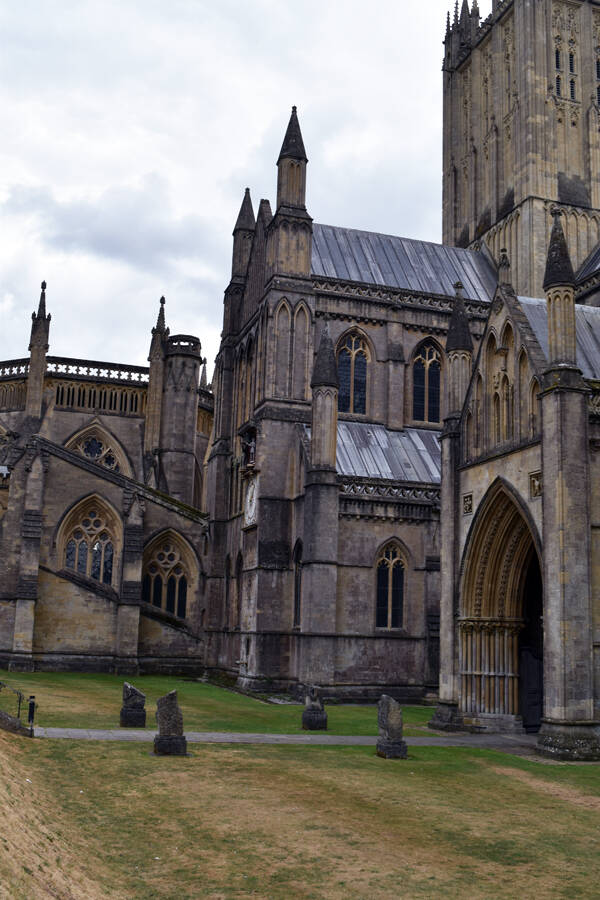
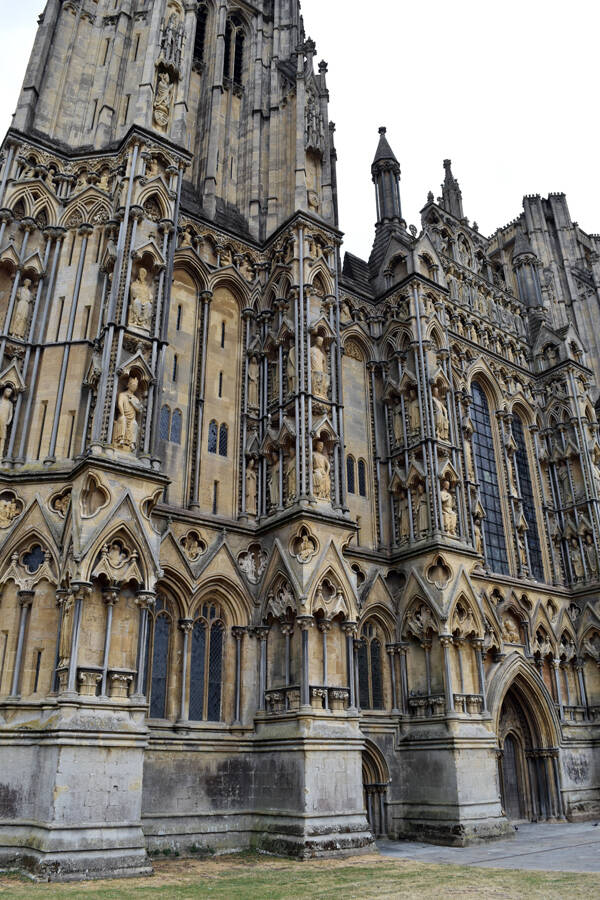
Inside, it is especially beautiful.

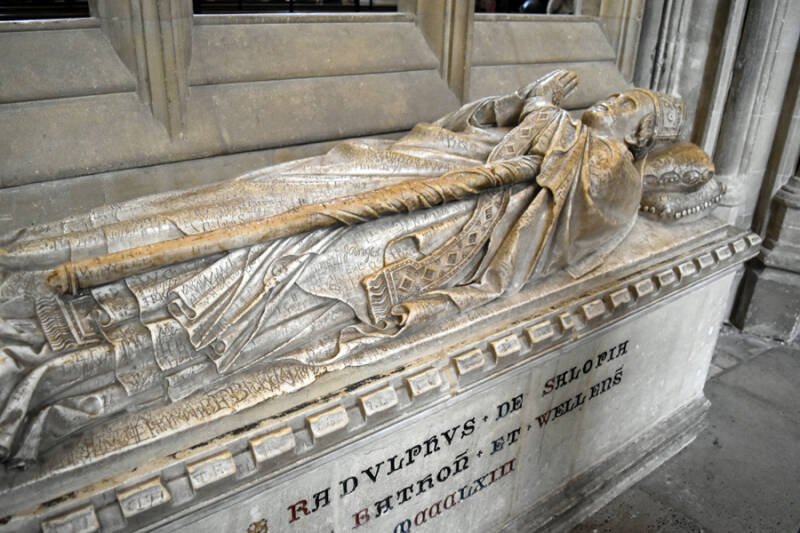
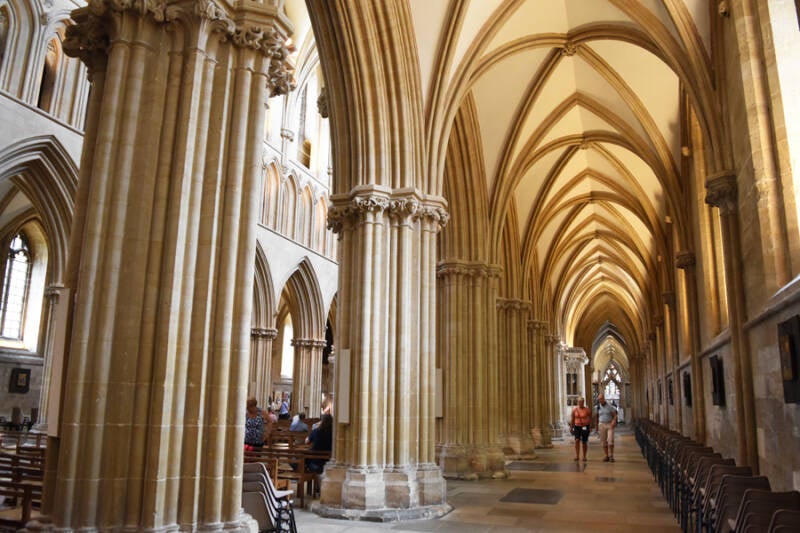
Moria...
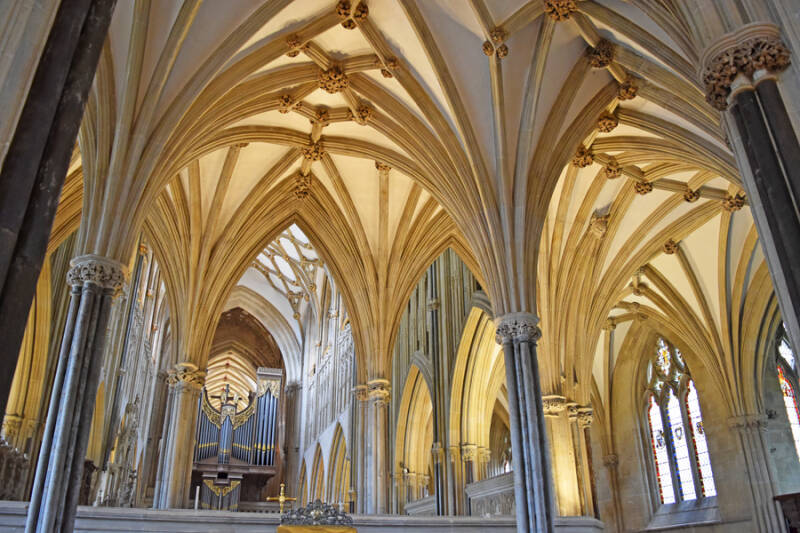
After leaving the cathedral, we walked all the way around the market square and found ourselves in a place that probably impressed me more than anything else. Vicar’s Close — the Vicars’ Close.
It was the middle of the afternoon, and there were tourists wandering around, but it felt as though you had suddenly found yourself alone in Godric’s Hollow at dusk — and, naturally, had left your wand at home.
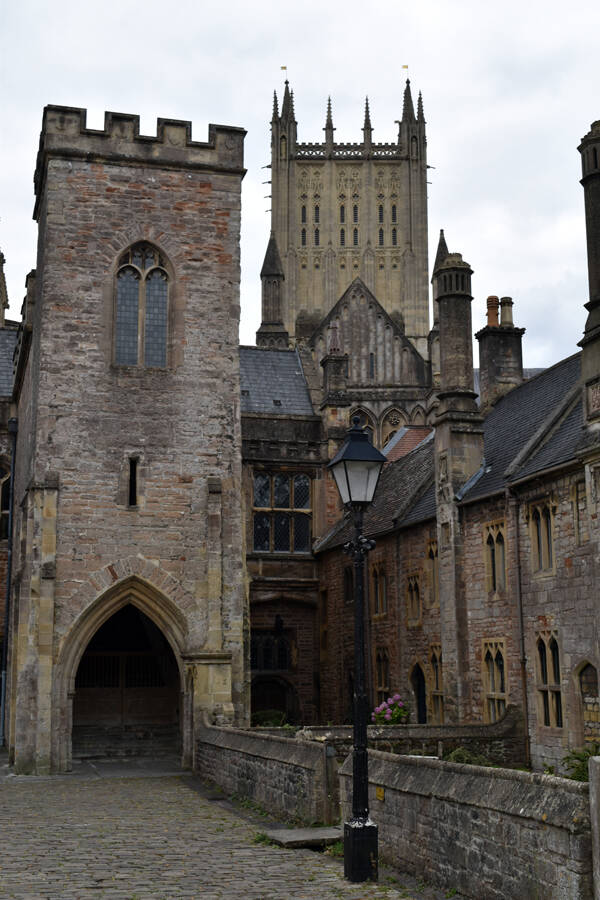
The thing is, it is the only complete and inhabited medieval street in England where absolutely nothing has changed since 1363.
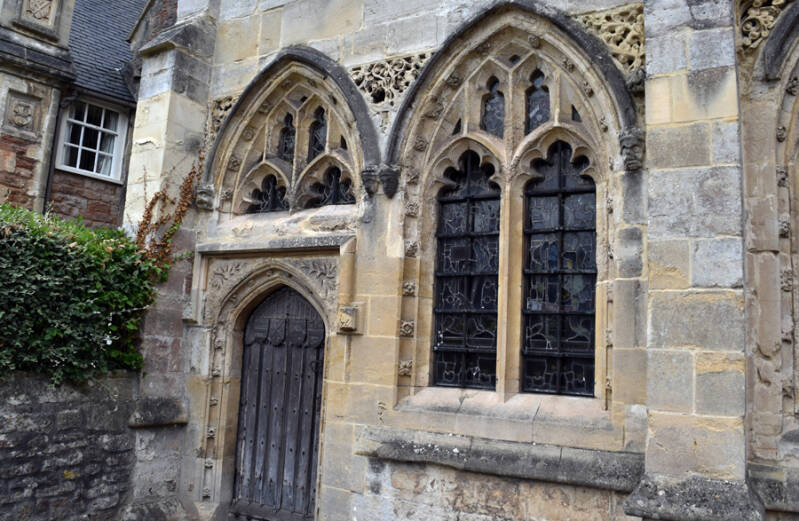
I walked along this stone enclosure thinking that if I had married some vicar and he had brought me here, I probably would have hanged myself.
To live frozen in time while the world around you races forward, to be trapped like a fly in amber — for that, I suppose, you’d have to take your consciousness to another level.
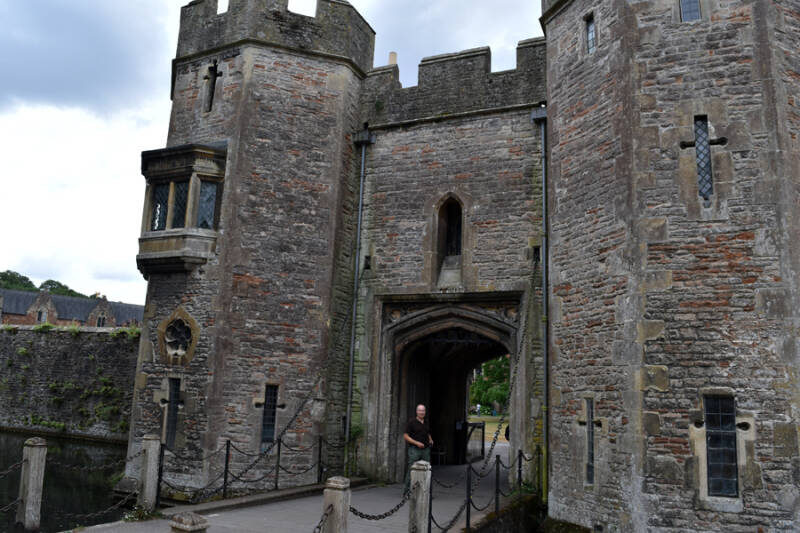
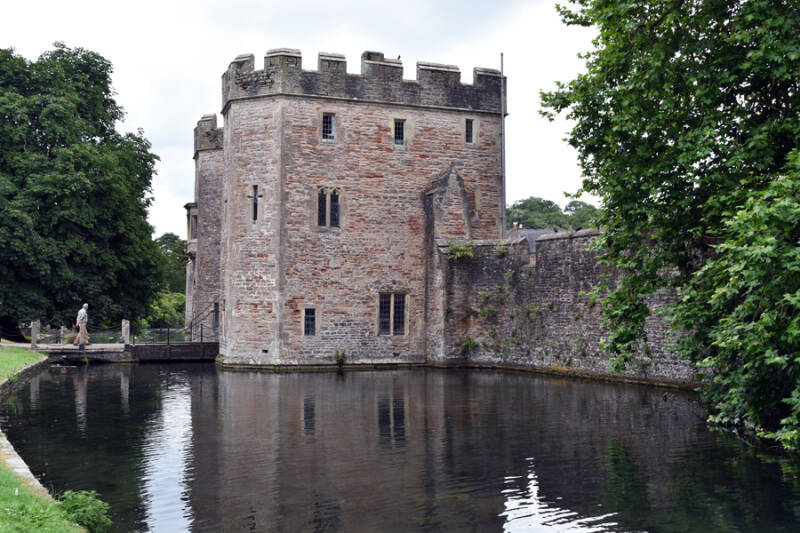
Well, we shook ourselves out of the time warp and headed for Bath, the first major city on our trip.
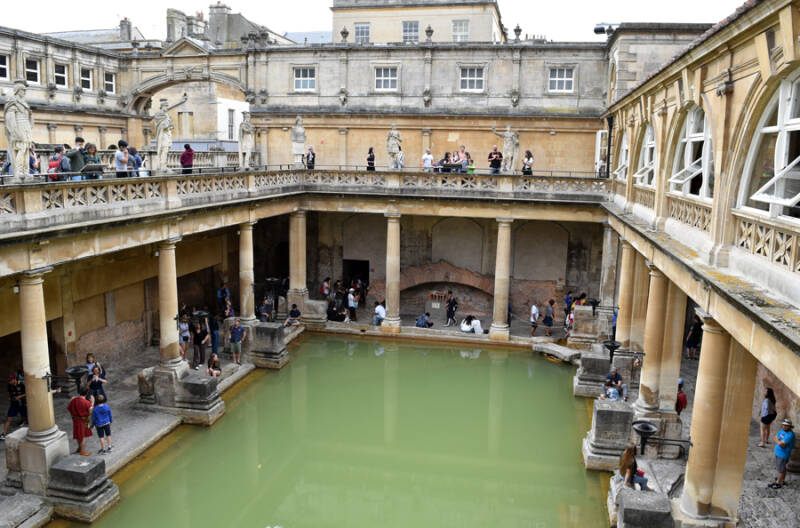
Bath is densely built-up and packed with tourists. Once we reached the city center, we suddenly felt as though we weren’t in England at all, but in Italy. You can really feel the influence of the centuries when Britain was under Roman rule. Bath is famous for its Roman public baths, and the city center, with its buildings, bridges, and statues, reminded us somewhat of Florence.
First things first, we visited the Baths.
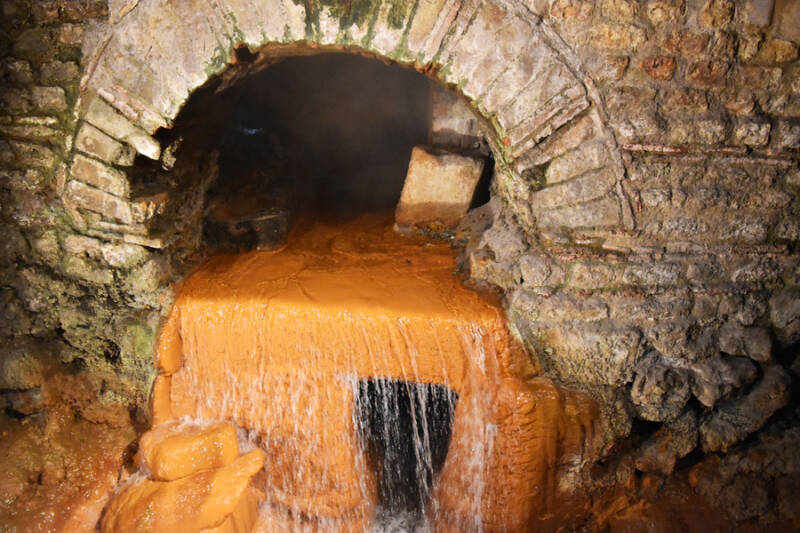
We had lunch right there in the city center at an Italian restaurant, which only strengthened our Italian associations.
Then we headed to our hotel to check in. It turned out to be right in the very heart of the city — literally a minute’s walk from the Roman Baths, in a former St Catherine’s Hospital.
Outside, there was this lovely little courtyard.
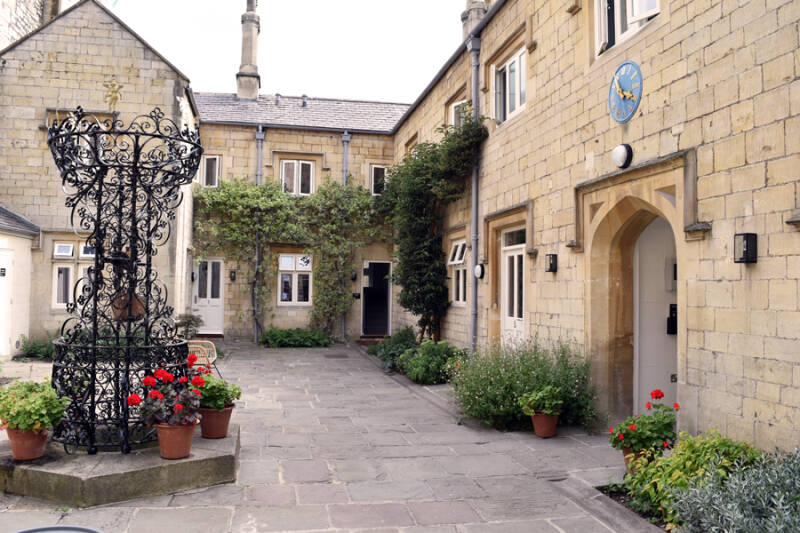
Inside, there was a beautiful two-room apartment with a brand-new renovation and a fully equipped kitchen. We checked in, took a little time to rest, and then set off on a walking tour of the city.
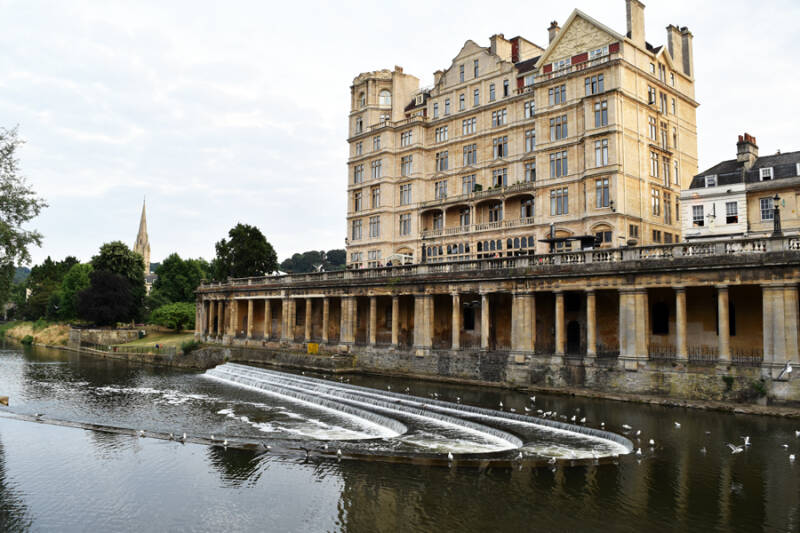
The city stands on the River Avon. The beautiful Pulteney Bridge reminded us of the Ponte Vecchio.
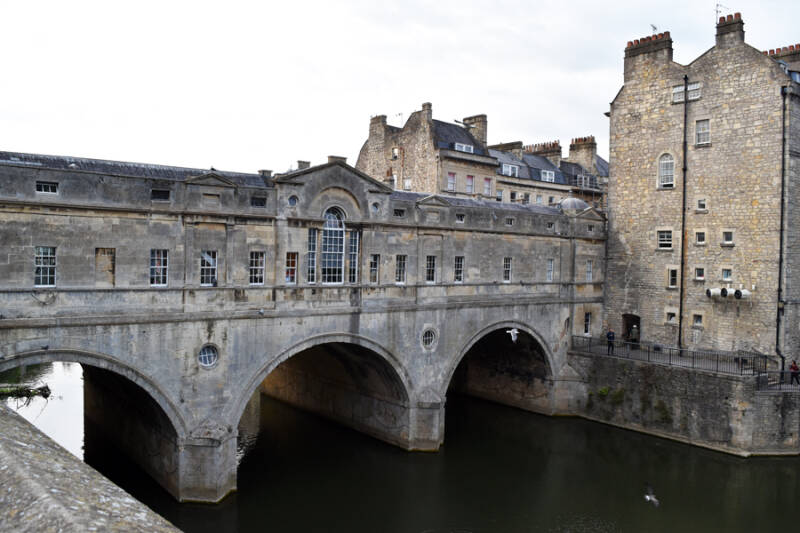
You can tell that the city is well cared for, cherished, and lovingly looked after. Musicians entertain tourists everywhere. (When Beatles songs drift out from every courtyard, you’re immediately reminded that you really are in the very heart of England.)
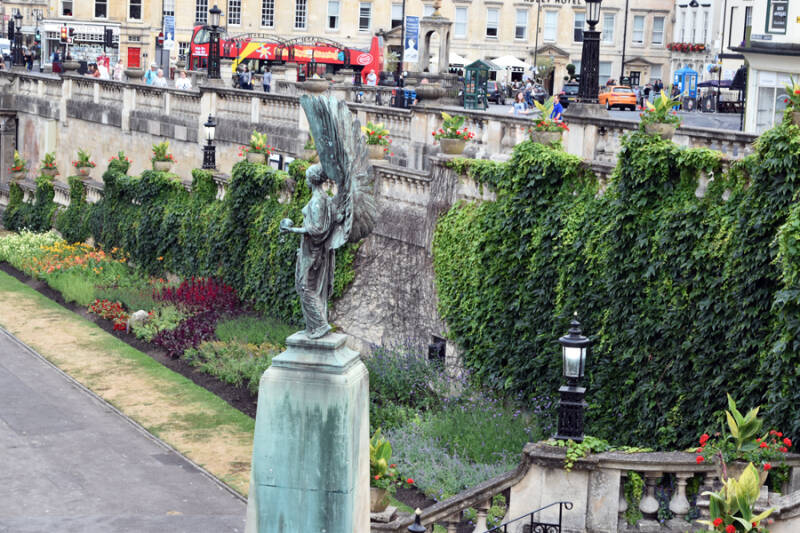
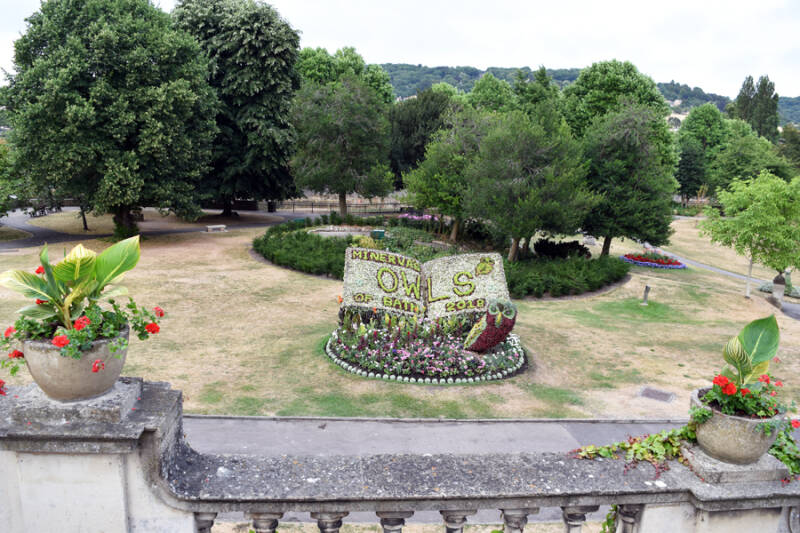
We walked around until dusk. It had been a full and thoroughly enjoyable day.
Day Four
We got up early and walked to one of the cafés in the city center to pick up some warm pastries and croissants for breakfast. Today, we were going to leave England for a little while and take a look at Wales.
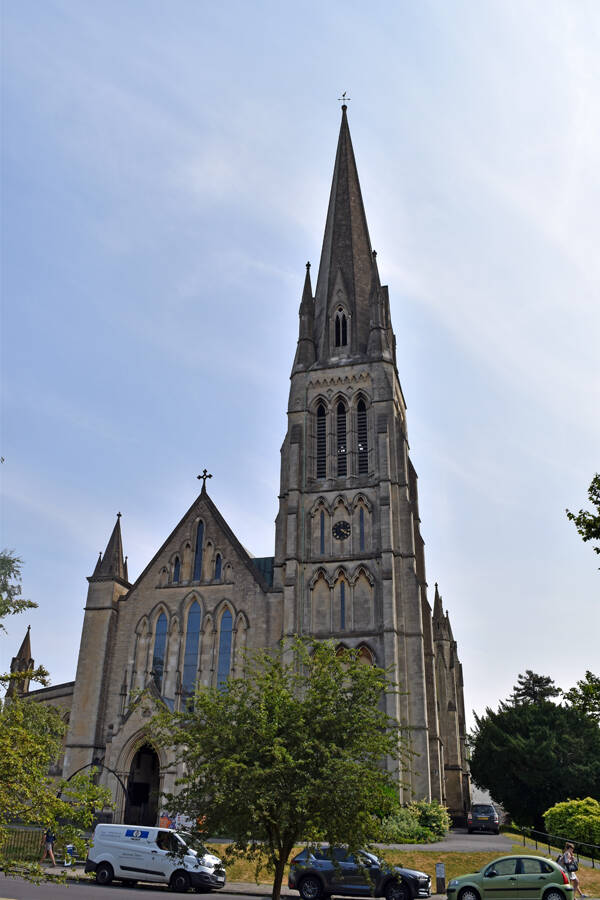
Our route took us through Bristol, and although we didn’t have time to explore the city, there was one landmark we simply couldn’t miss: the Clifton Suspension Bridge, spanning that same River Avon.
The bridge is incredibly high — 75 meters — which has given it the grim reputation of being a suicide bridge. Since it stretches across a gorge, it offers spectacular views of the surrounding cliffs.
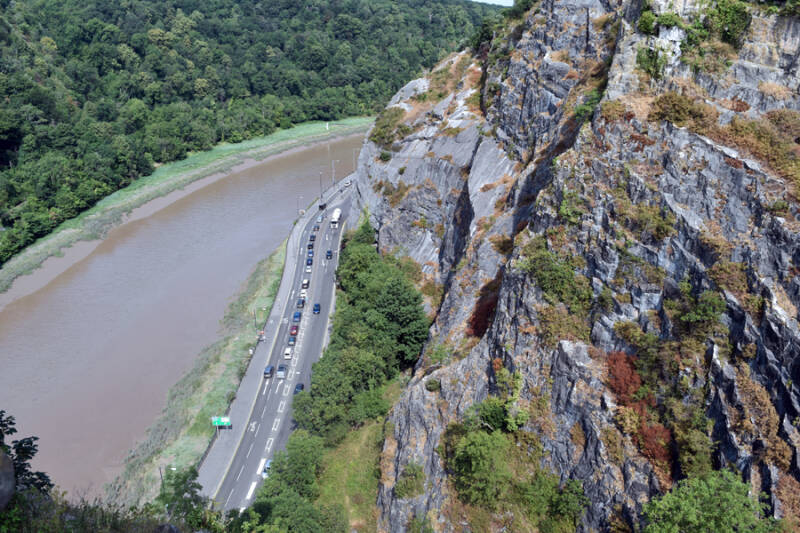
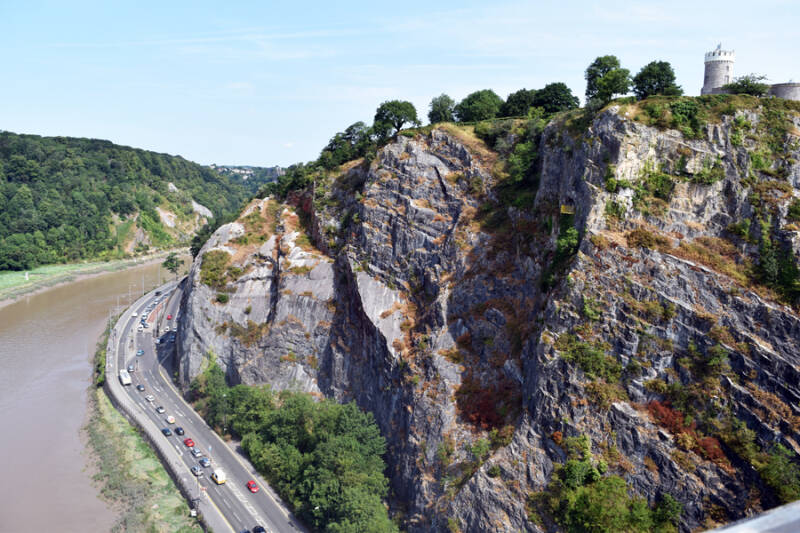
and from the cliffs, naturally, you get a spectacular view of the bridge.
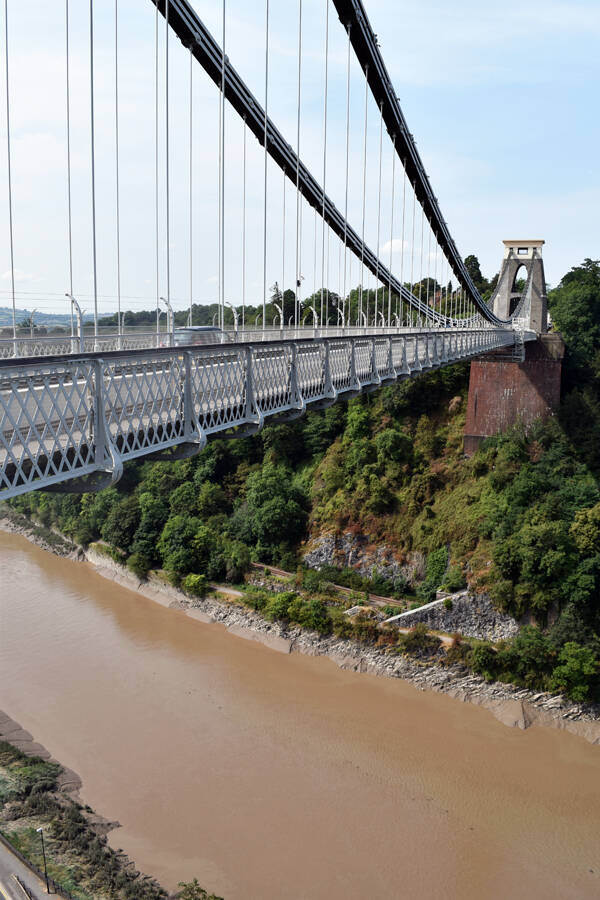
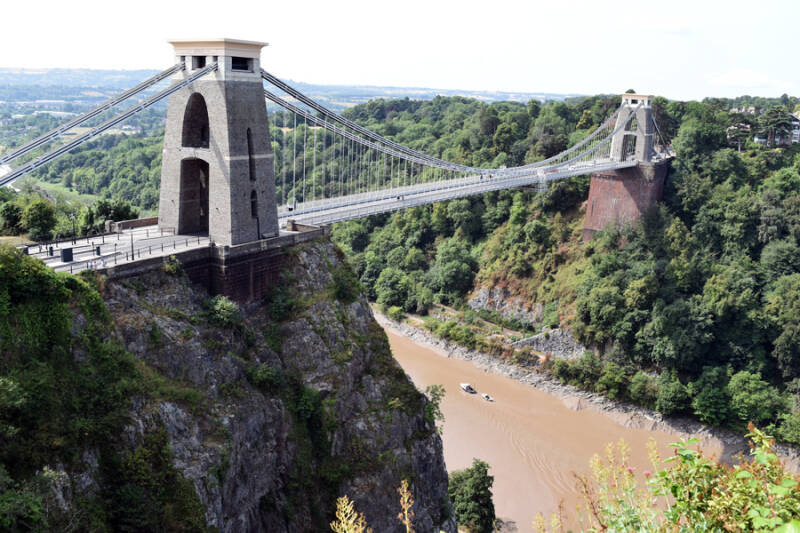
What’s more, besides walking across the bridge and visiting the viewpoints, you can also descend into a narrow tunnel cut into the rock and emerge onto a tiny balcony built about 30 meters above the ground.
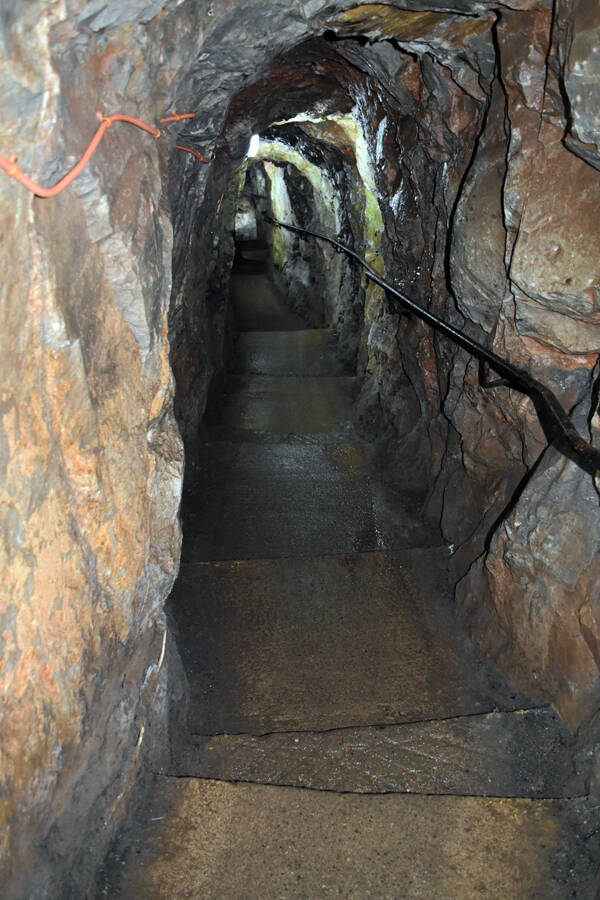
Which, of course, we promptly did.
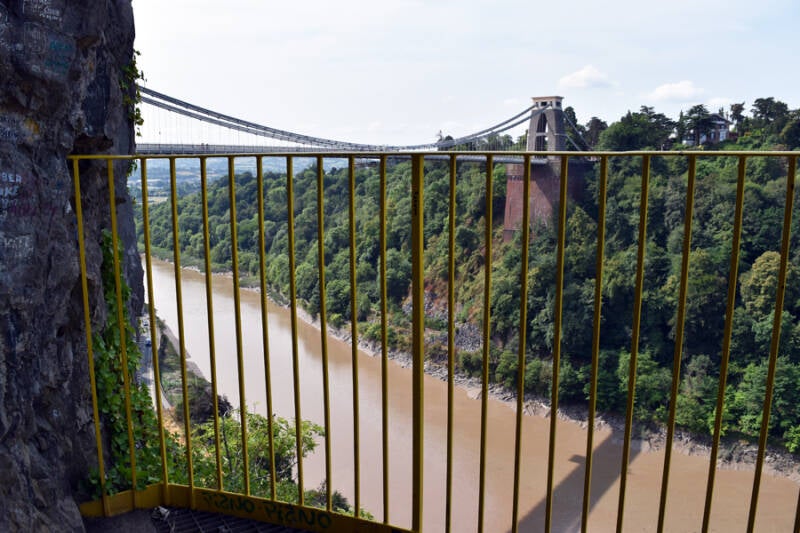
Apart from the bridge, Bristol stayed in our memory for its impossibly long rows of townhouses.
Beyond Bristol, the road opened up into a wide motorway that eventually carried us into the land of the red dragon — Wales. You might think the difference between England and Wales wouldn’t be all that noticeable, but it is.
For one thing, all the signs are bilingual, with Welsh appearing alongside English. For another, the population density seems to be much lower in Wales, so there are far more fields, meadows, and hills left completely undeveloped and uncultivated. We even had the impression that the roads had become wider and the traffic lighter.
Wales has the Brecon Beacons National Park, and it has caves. Which meant, naturally, that we had to go there.
After an hour and a half of winding our way along country roads, we finally reached the Dan-yr-ogof complex, which boasts no fewer than three caves.
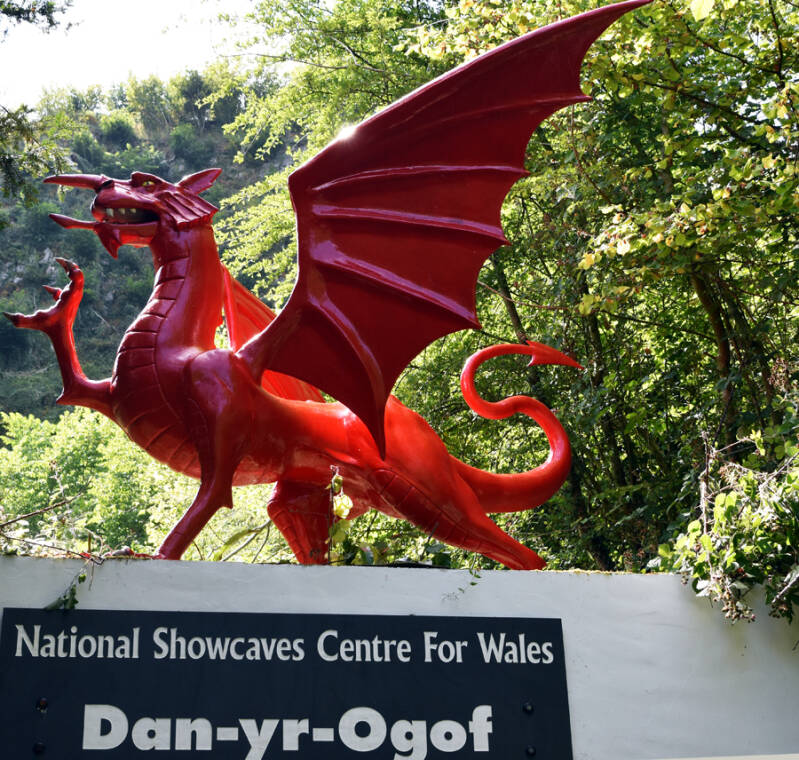
The park’s organizers decided not to stop at simply charging an admission fee, but created an entire educational and entertainment center, complete with two hundred life-size dinosaurs, all kinds of birds and reptiles,
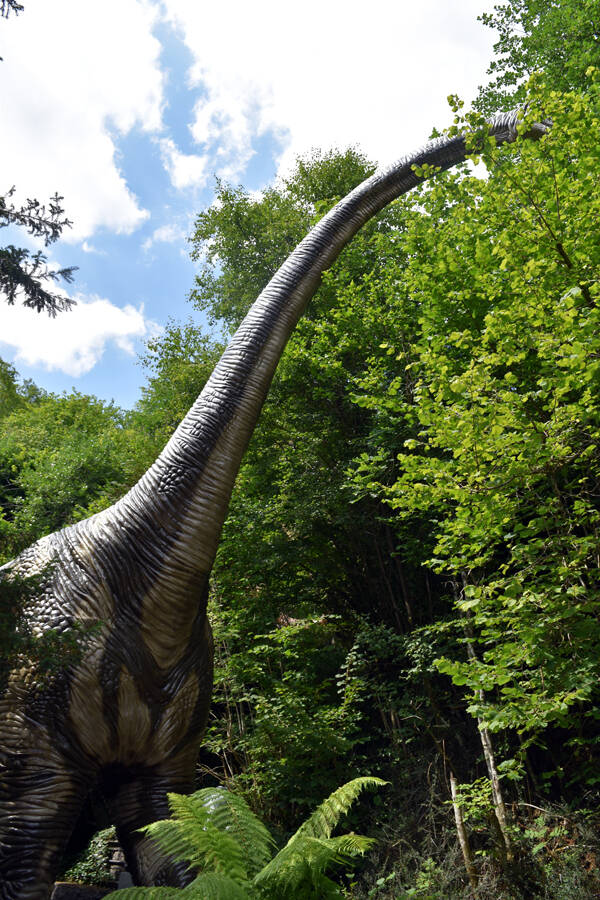
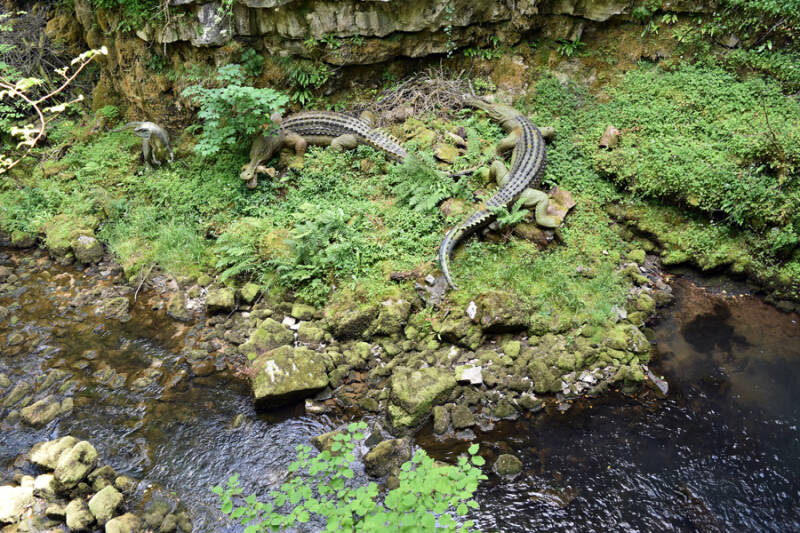
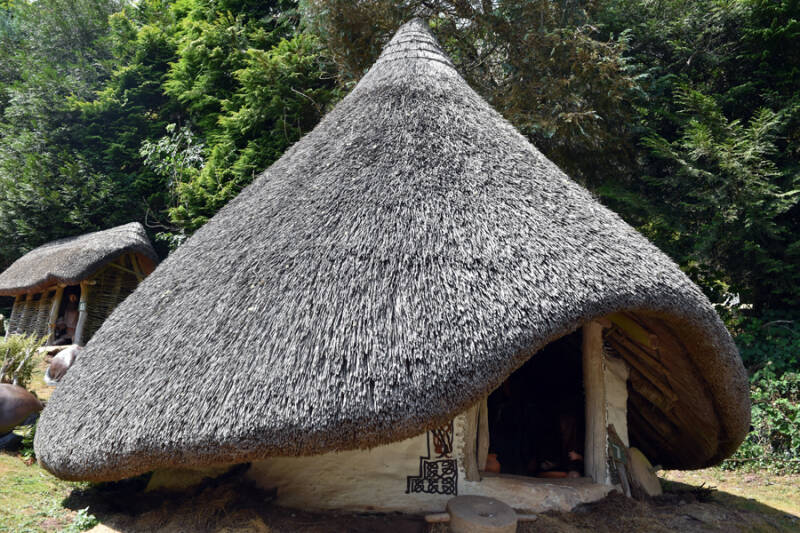
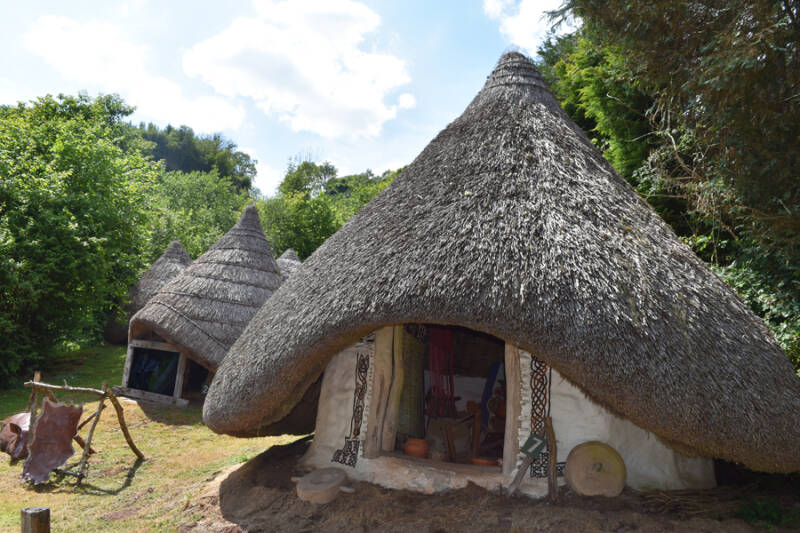
with erupting geysers, an entire reconstructed village demonstrating the way of life of the people who lived here during the Iron Age, and much more. All in all, it’s been put together with a great deal of thought and obvious affection.
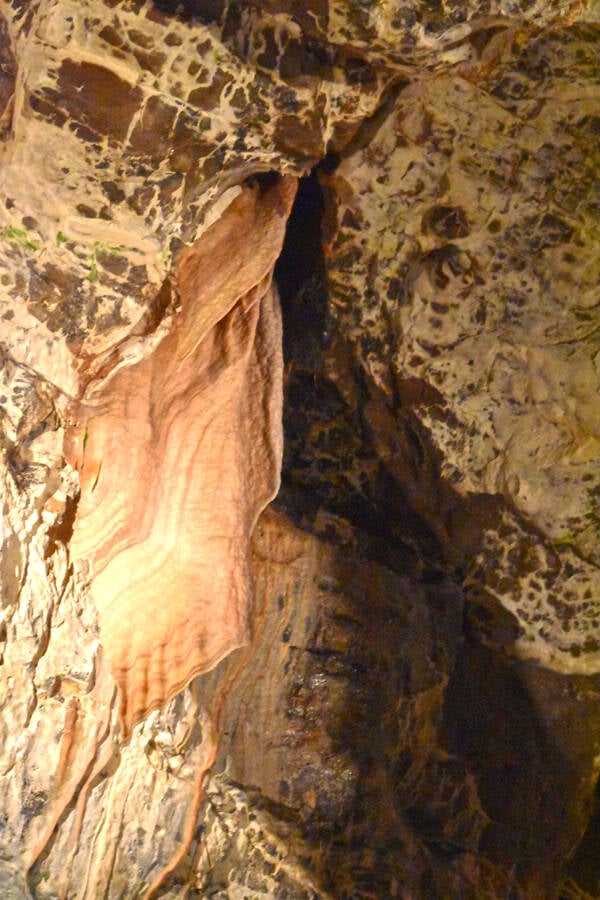
The first cave, Dan-yr-Ogof itself, is the longest. Narrow and wonderfully elegant.
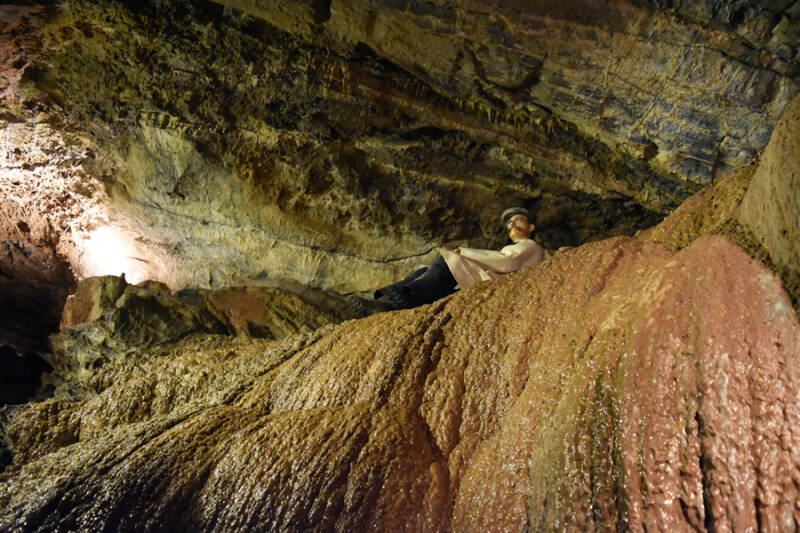
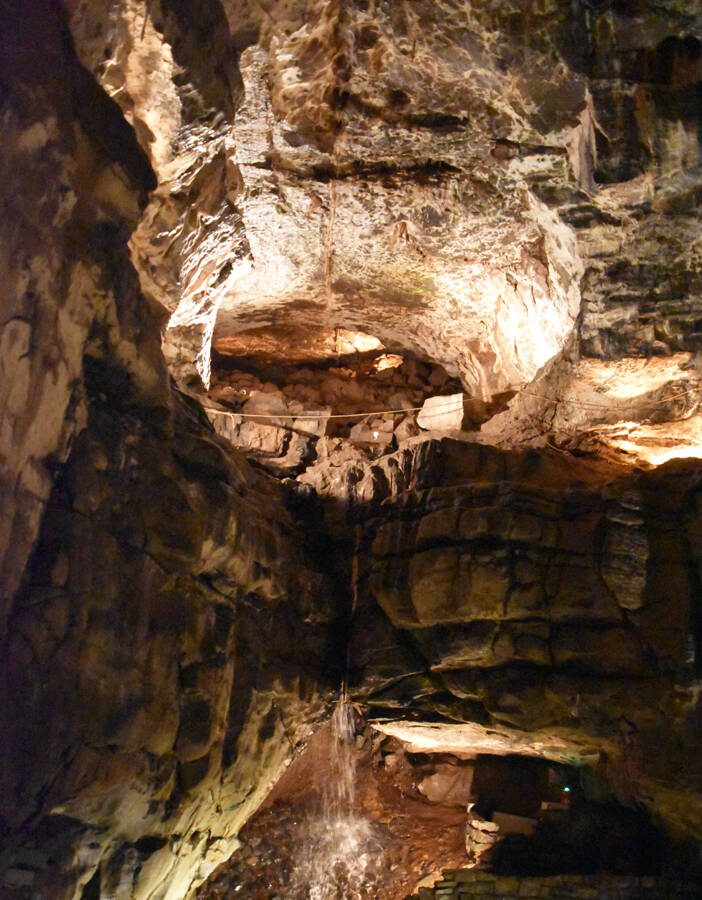
Cave “bacon”
The second cave, Cathedral Cave, is breathtakingly beautiful. It ends in a vast chamber that truly resembles a cathedral.
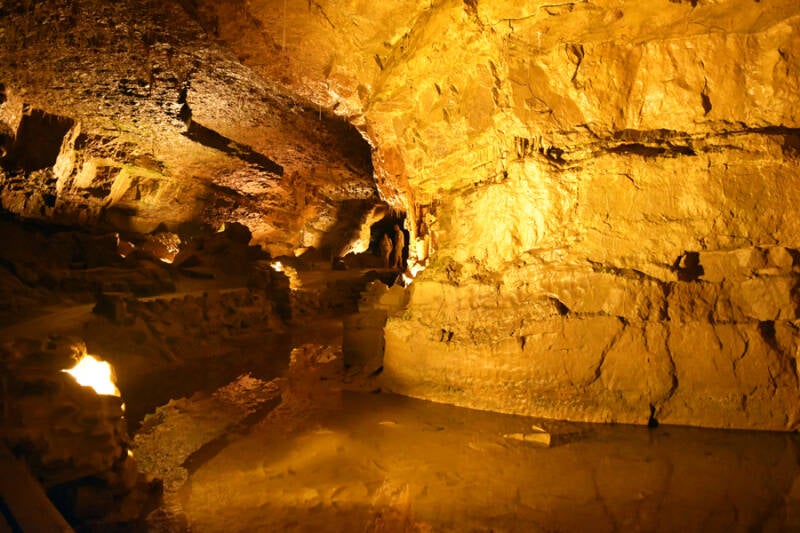
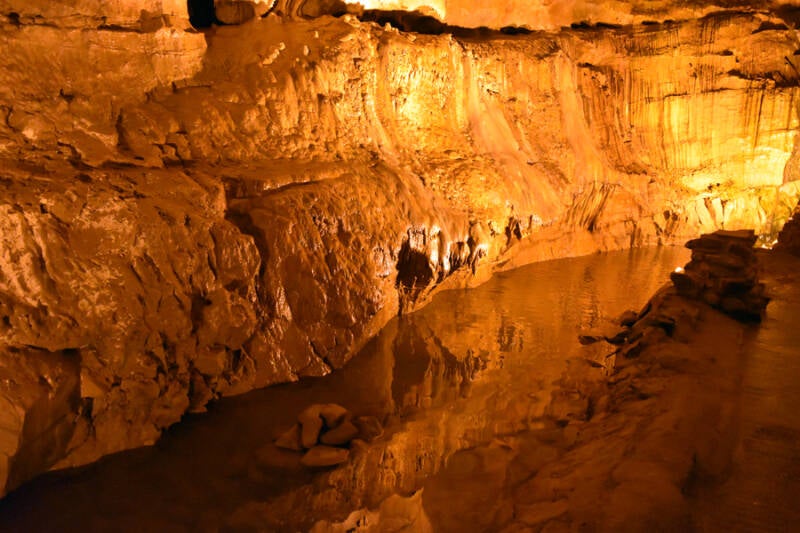
Its uniqueness lies in the several waterfalls that flow directly into the cave. Of course, the photographs don’t do it justice, but the chamber really is so beautiful that wedding ceremonies are held here.
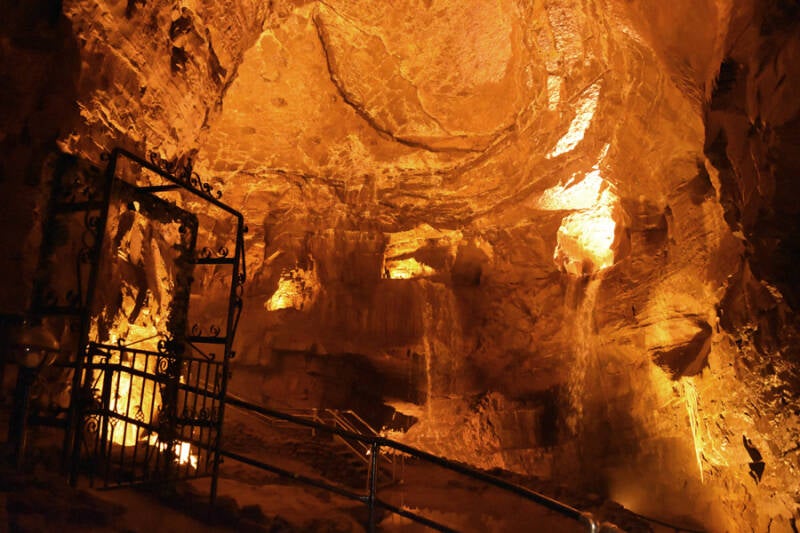
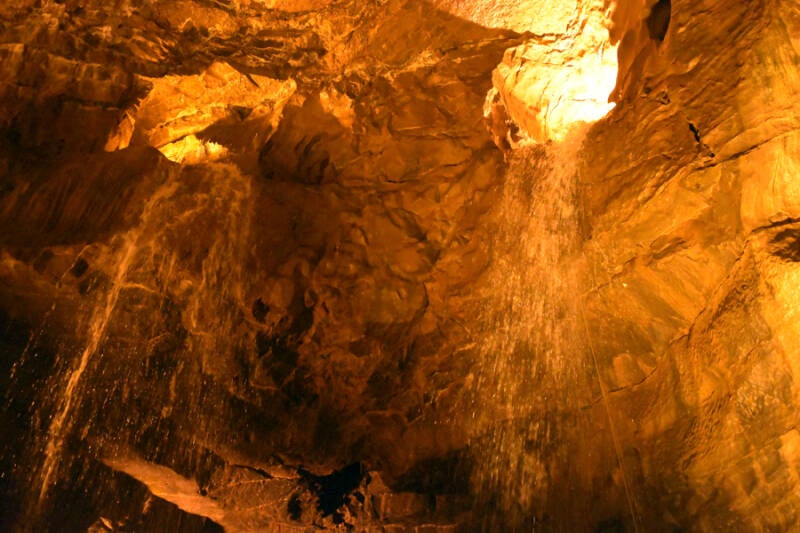
We didn’t want to leave. Waterfalls inside caves are just incredibly cool.
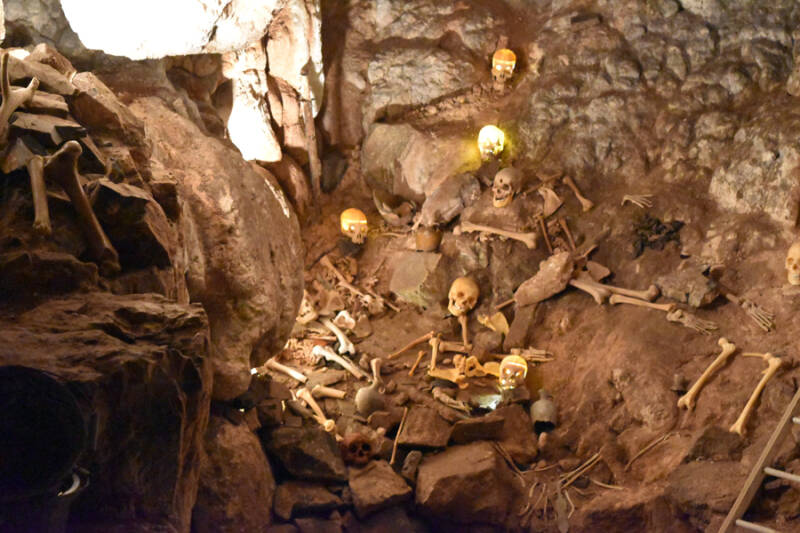
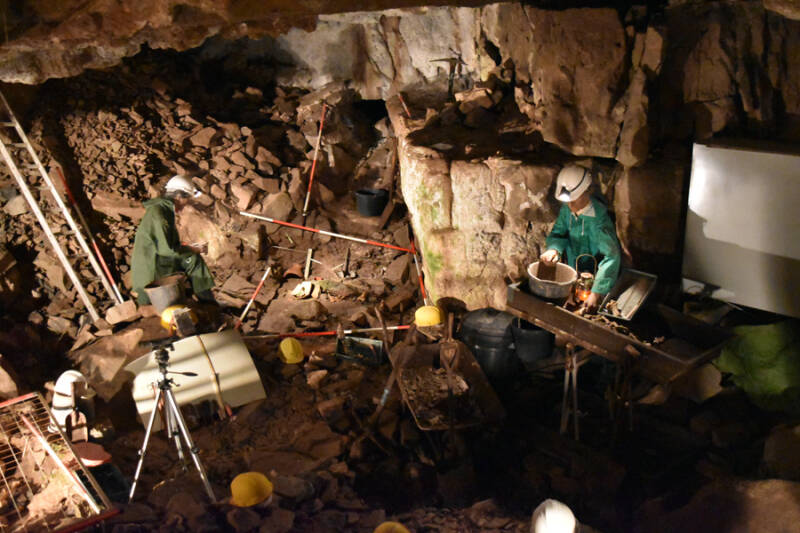
The third cave, Bone Cave, is the smallest of the three. It contains several exhibits, and an educational film is shown on a screen.
And here is the Iron Age village.
All in all, it’s a wonderful park.
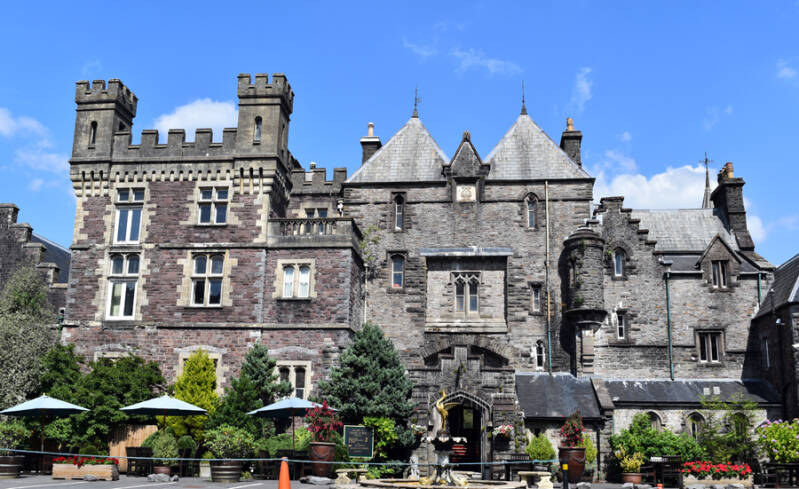
You could easily spend an entire day here, and many visitors even stay overnight at the campsite. But we had to move on — to Cardiff, the capital of Wales.
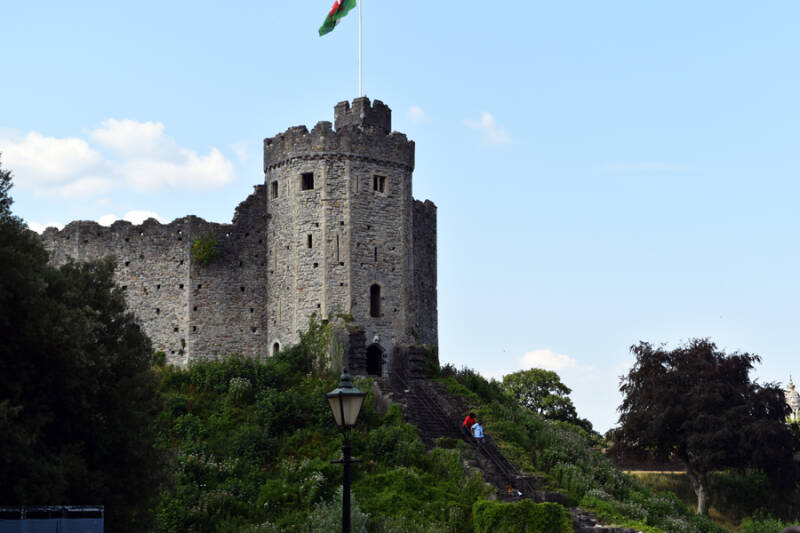
Right in the center of Cardiff stands the oldest castle in all of Wales.
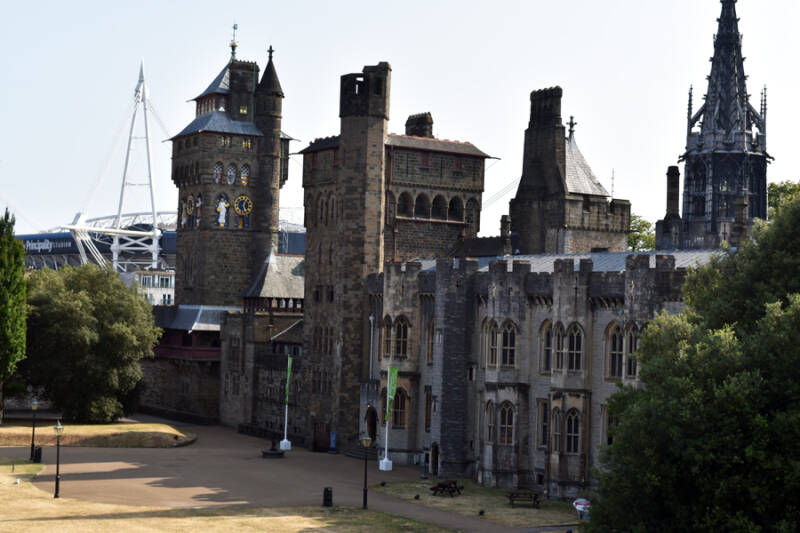
Its history stretches back more than two thousand years, beginning with the first fortifications built here by Roman legionaries. A full-fledged fortress, complete with walls, a moat, and a palisade, was built by the Normans in 1091. The stone castle itself was constructed in the 12th century by Stephen of Blois, the grandson of William the Conqueror.
When Edward I Longshanks — the very same king who fought William Wallace in Scotland — conquered Wales, his firstborn son was born here. From that point on, the title of Prince of Wales became attached to the direct heir to the English throne.
Edward I’s son, Edward II, later fled to this castle to escape his own wife, Isabella of France, the infamous “She-Wolf of France” Sophie Marceau. She really did despise her husband and his male favorites. She couldn’t possibly have met William Wallace, however, simply because of her age. That part was invented by the director of Braveheart.
Together with the castle’s then-owner, Hugh Despenser, Edward was captured, and both were eventually killed.
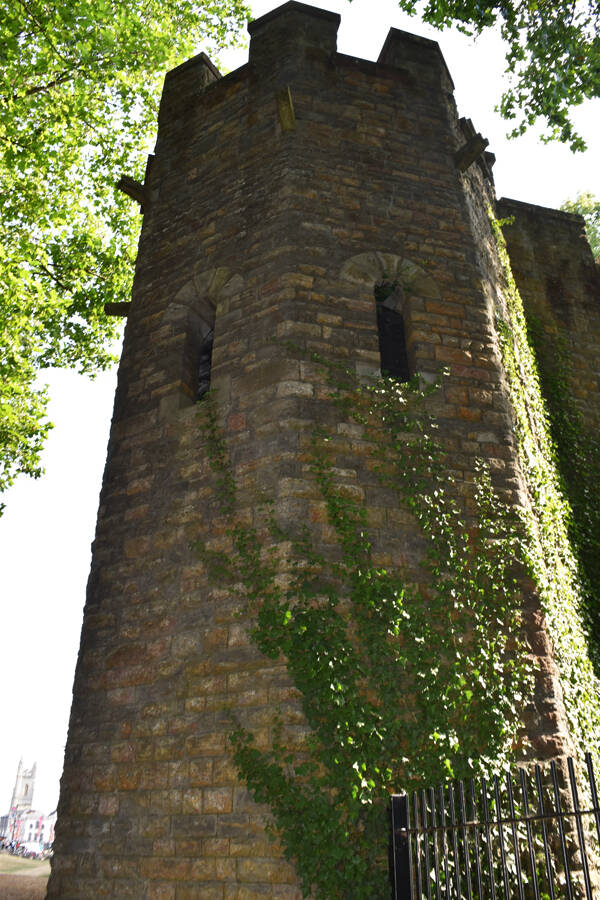
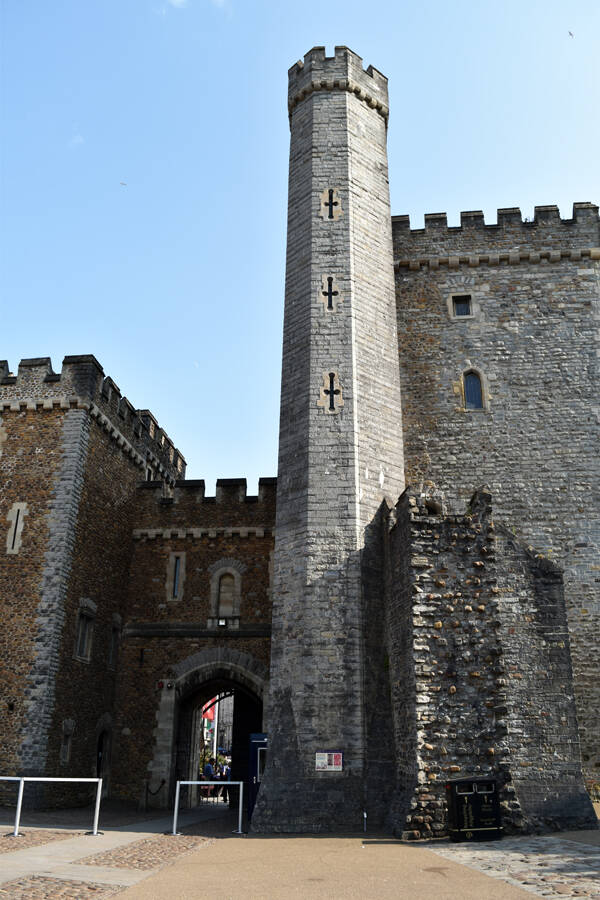
In 1550, the castle passed into the hands of the brother of Catherine Parr, Henry VIII’s last wife, who set about embellishing it.
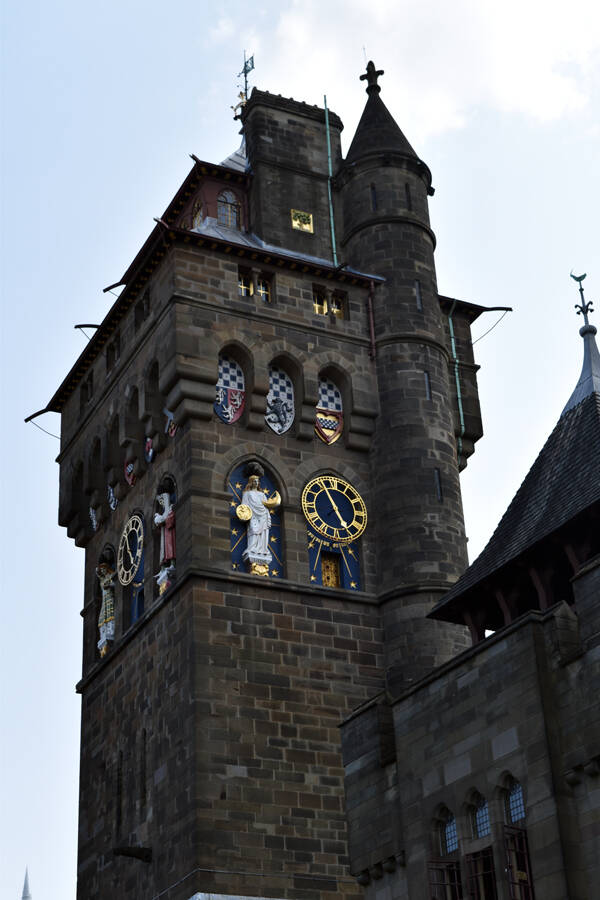
In the 19th century, the castle came into the possession of the world’s richest man — the 3rd Marquess of Bute. He undertook an extensive reconstruction and created a fantastical Victorian residence: a Gothic fantasy that still amazes visitors today.
We began our tour with the Victorian apartments. And hooray — finally, photography was allowed inside!
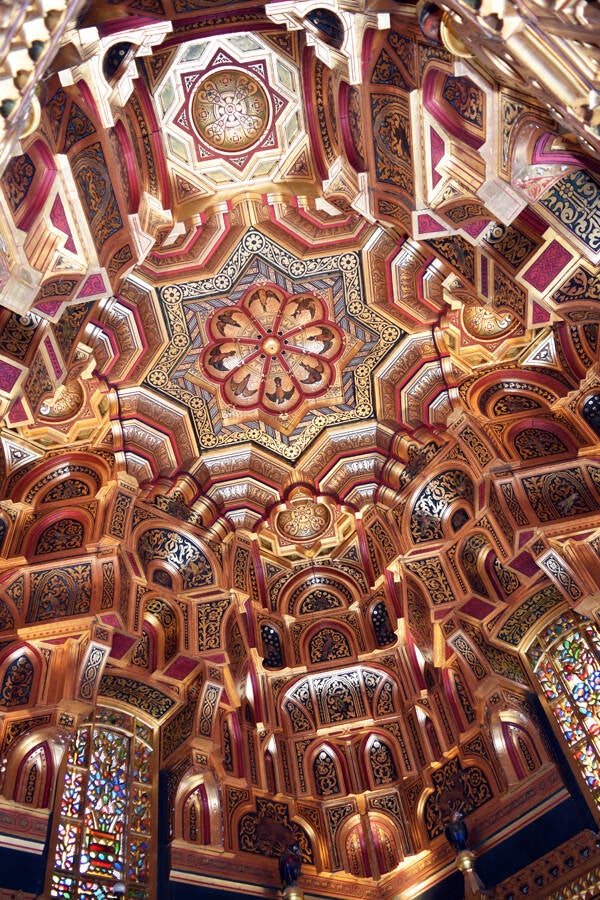
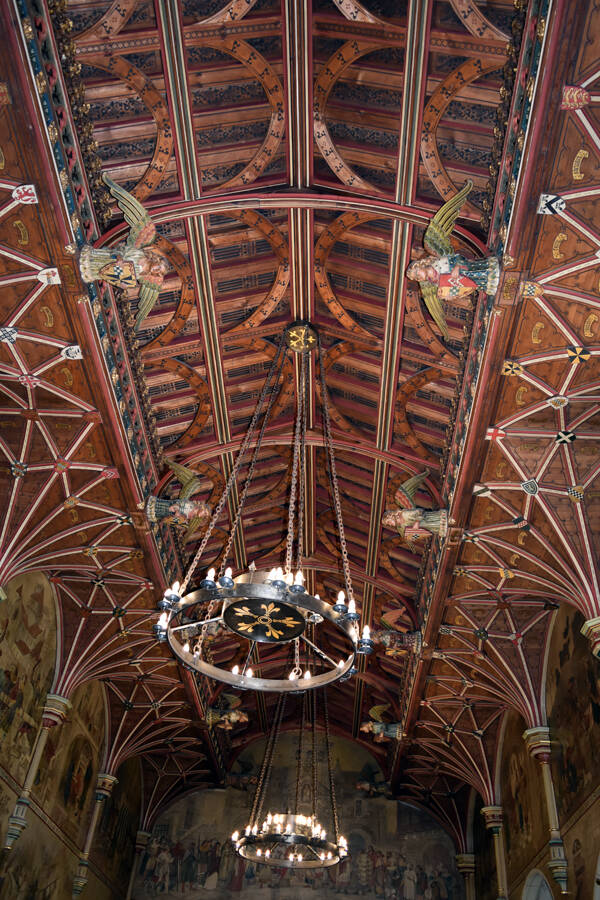
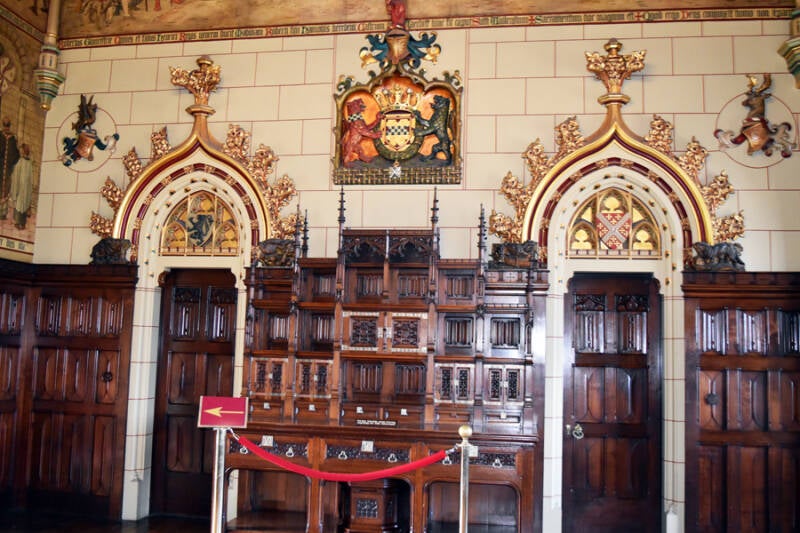
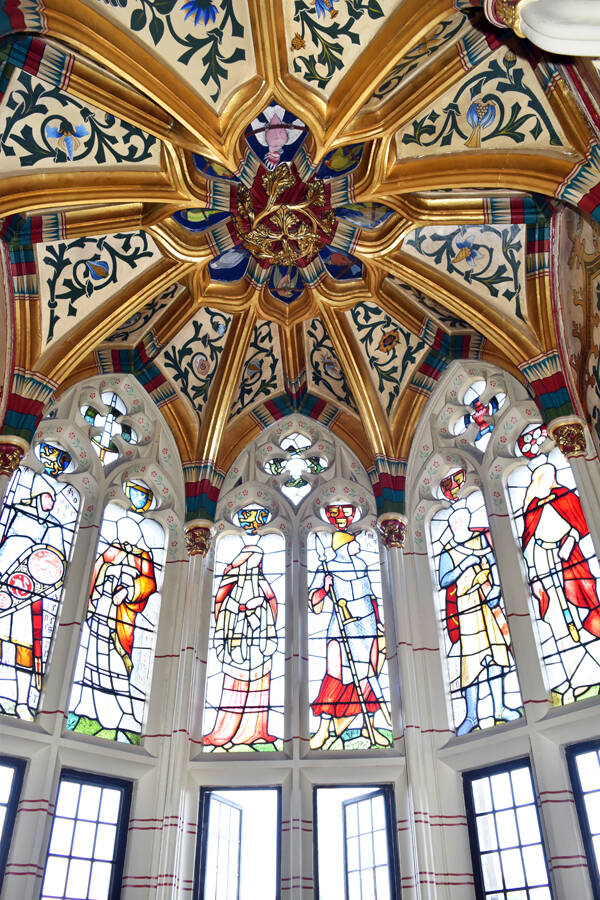
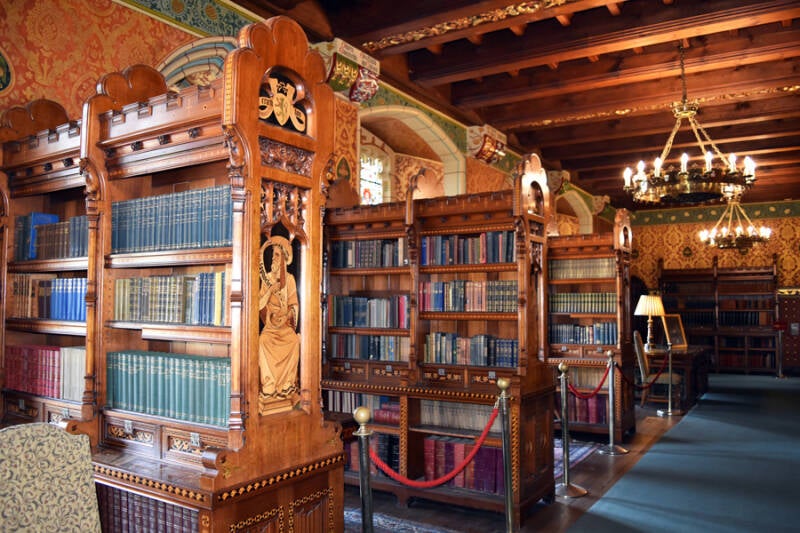
Then we moved on to the stone castle itself. Absolutely beautiful.
The Clock Tower.
After leaving the castle, we decided to take a walk through the city’s pedestrianized center.
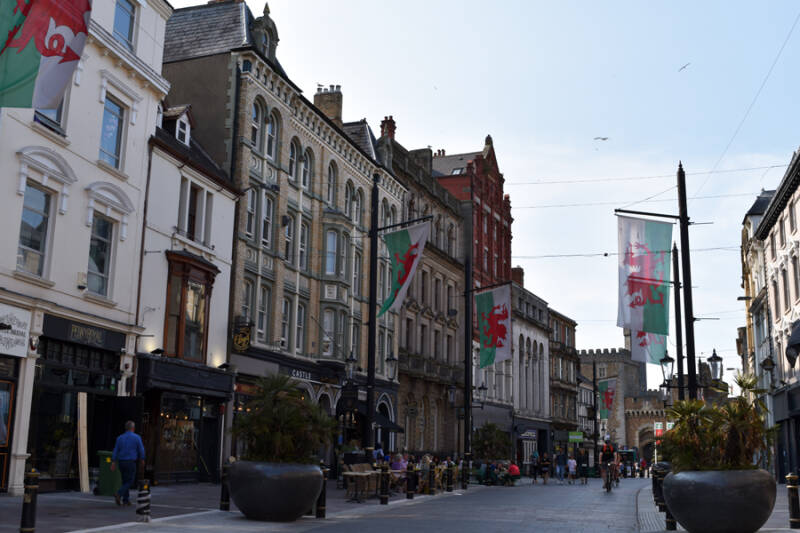
As one might expect, we stocked up on knights and red dragons, grabbed a bite at a café, and headed back to our hotel.
Part 2
Do you know what I think of when I think of England? I imagine myself standing on the circular floor of the Radcliffe Rotunda. Hundreds of books surround me, their shelves soaring upward and disappearing somewhere beneath the dome. But these aren’t just abstract volumes and dusty tomes. These are my absolute favorite books, a part of me.
If I spin around quickly, the books will take flight and whirl through the air with me. Their pages will mingle and scatter like patterns in a kaleidoscope. But that’s all right — I know every one of them by heart.
There are the white cliffs of Dover. A light breeze fills the sails of a schooner, and D’Artagnan stands on its deck. Soon he will meet the Duke of Buckingham and see genuine English luxury, “such as the noblest gentlemen of France had never even imagined.”
And here is the old waterfront in Bristol. A black mail coach pulls up in front of one of the inns. A boy peeks out from inside, looking around with curiosity. There is the noise and bustle that usually fill the ports. But we can hear the tapping of John Silver’s wooden leg against the boards. And the cheerful whistle of his favorite tune.
And here is a completely different boy — shivering, thin, and utterly alone. He is walking to London, not yet knowing how much he is going to endure. Little Oliver in the vastness of London.
Here, at King’s Cross Station, sits another boy (there are quite a lot of them in England!). He is an orphan, too. Beside him is his recently deceased teacher. He sits there, weeping bitterly. In this place, though, we find ourselves crying along with Dumbledore. Let’s leave the two of them alone. They have a lot to talk about.
Let’s walk toward Kensington Gardens, passing the boy who never wanted to grow up. Can you hear the sound of a violin? Oh, how I love the “high-functioning sociopath” who lives on Baker Street!
Let’s turn toward the Thames. The Palace of Westminster is so close. A beggar in rags is trying to push his way through the guards. Would anyone ever guess that he is the Prince of Wales?
The pages of the books are spinning faster and faster, merging together and rising higher and higher. There are so many of them. So very many.
A little girl runs after a white rabbit; three gentlemen lose their way in a maze; Dorian Gray plunges a knife into his own portrait; arrows fly through Sherwood Forest, and a white tower rises above Camelot. Inside it, old Merlin weaves his spells around England, mixing reality and fiction, turning the fragments of the kaleidoscope.
That kaleidoscope has been my England all my life.
I simply had to come here.
Day Five
I had several alternative routes planned for this day, but we decided to choose the one that would let us spend a little more time wandering through village streets and exploring old castles.
So, away from the noisy cities and into a cozy little village.
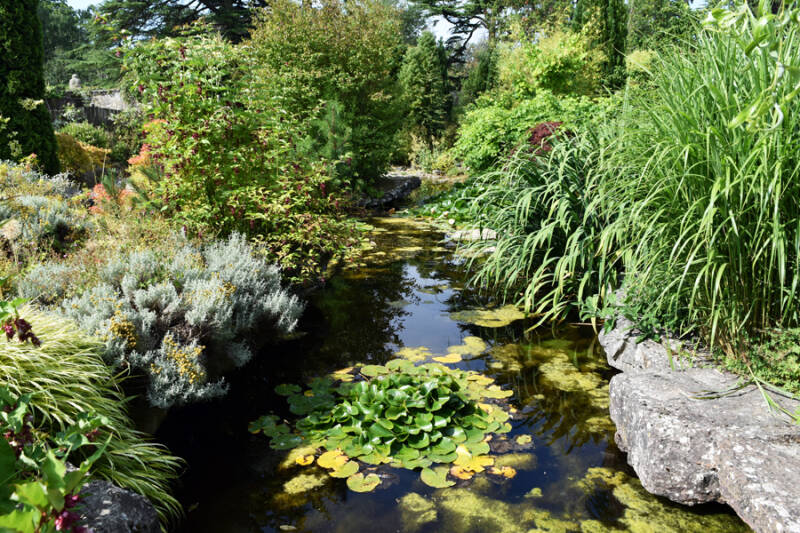
Through a riot of garden greenery,
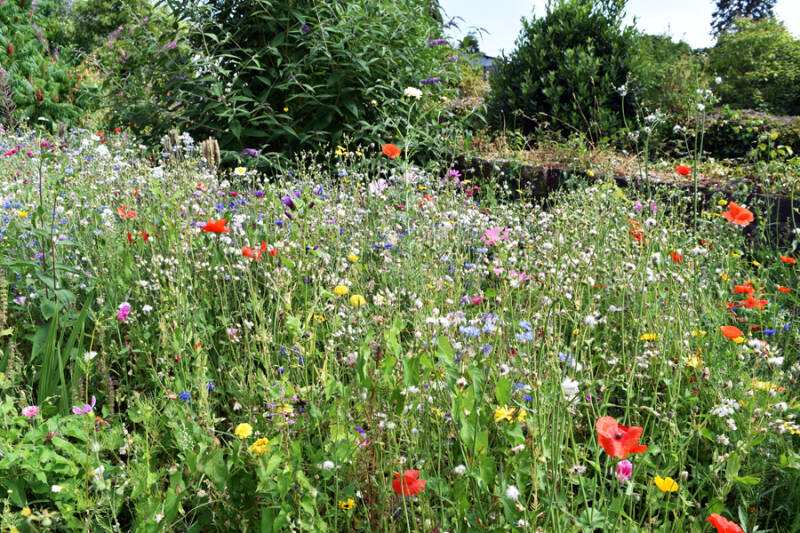
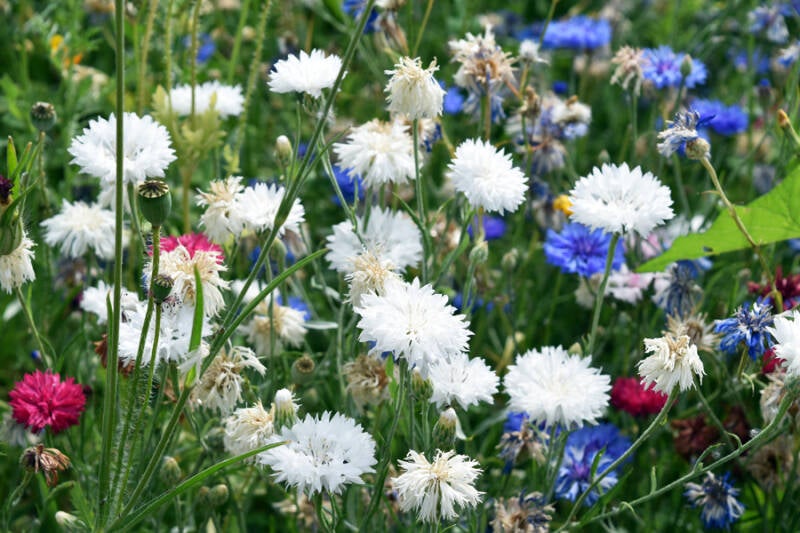
to the grottoes of Dewstow.
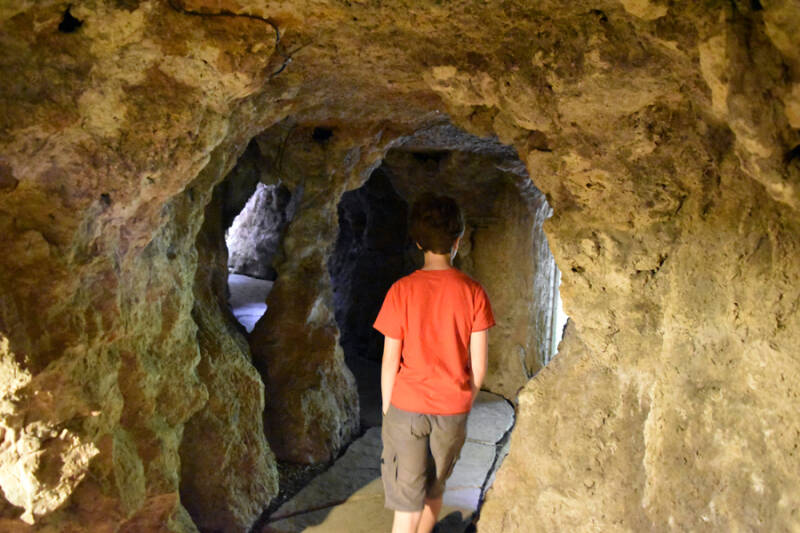
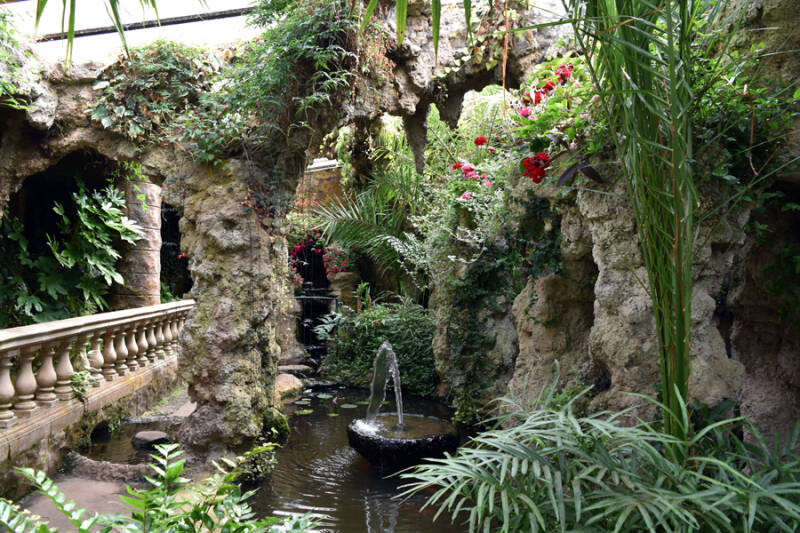
It turned out to be a wonderfully pleasant walk.
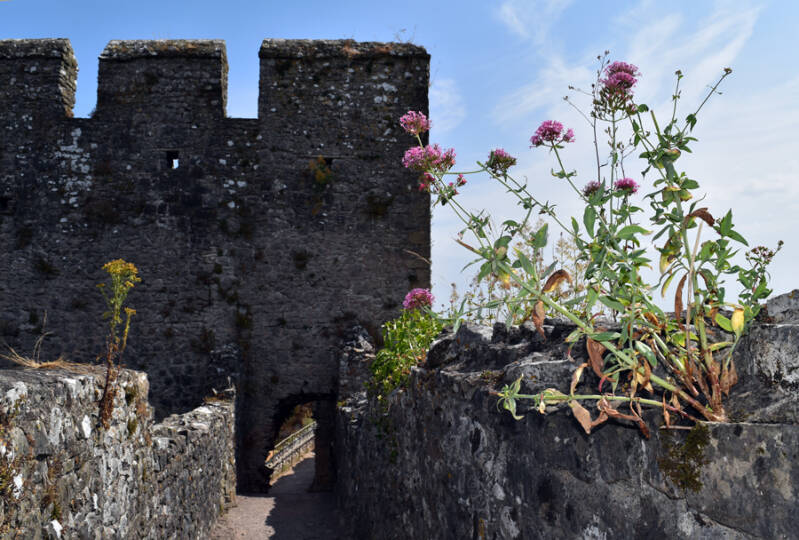
Then we continued on to Chepstow Castle. Before us stood one of the oldest surviving fortresses in Britain.
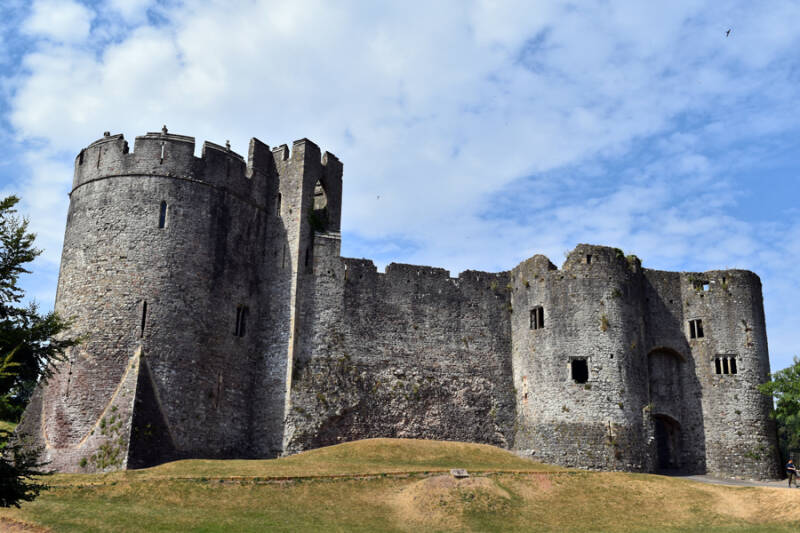
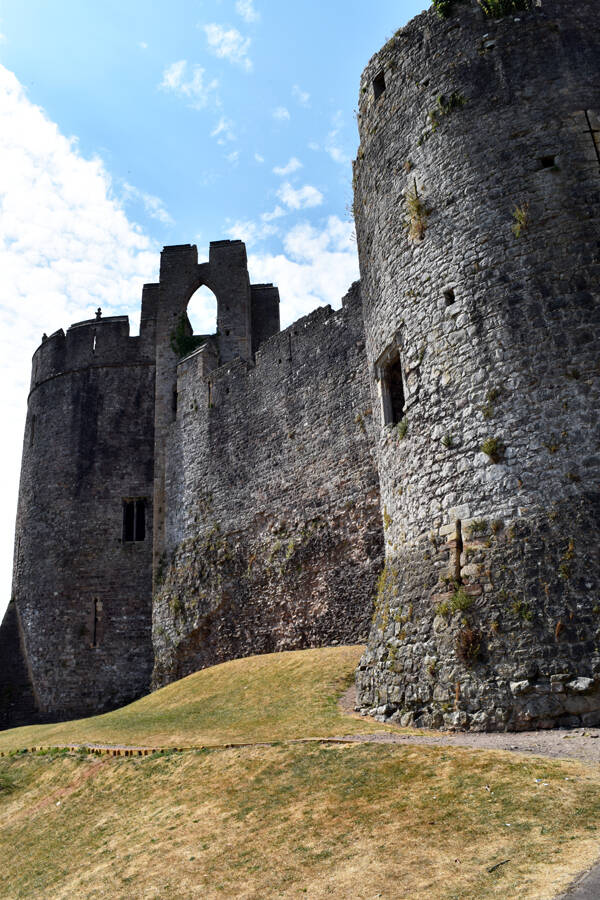
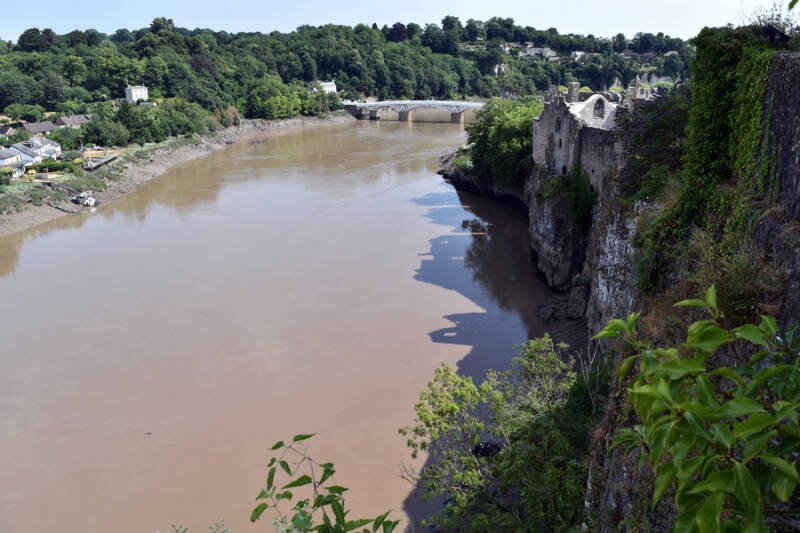
From the main entrance, you’d never guess that the castle actually stands right on the edge of the rocky banks of the River Wye.
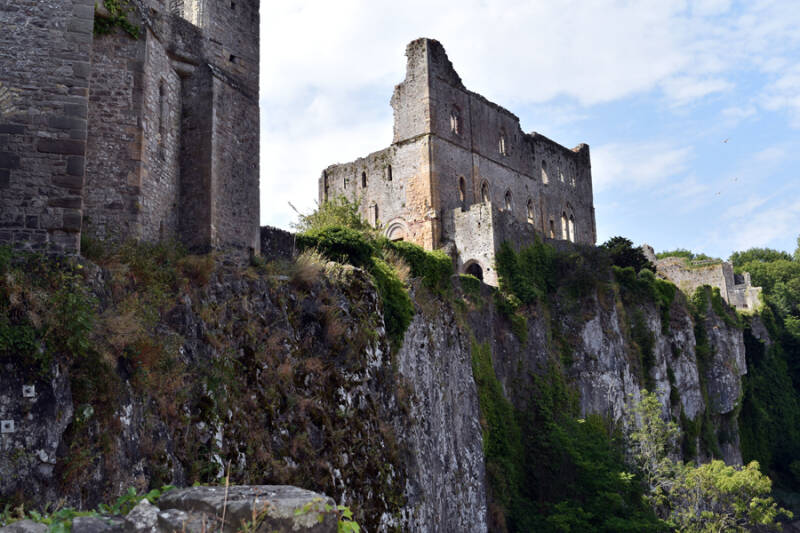
Construction began in 1067. In the 12th century, the castle was owned by William Marshal, the legendary knight of Christendom, who had served the even more famous Eleanor of Aquitaine (and her son Henry the Young King), and later her beloved son, Richard the Lionheart.
In general, if you’re interested in the Middle Ages, I highly recommend Elizabeth Chadwick’s novels — both her books about William Marshal and her trilogy about the life of Eleanor of Aquitaine. They’re long, but utterly absorbing. I fell headfirst into these books and couldn’t climb back out of the Middle Ages until I had read every single one of them. I abandoned everything else, became practically delirious with the sheer impossibility of putting them down, and yet I couldn’t help myself. It was absolutely fascinating!
And how wonderful it was to find myself here, on the castle walls where, 800 years ago, such a tumultuous life unfolded: so many historically important events took place here, intrigues were woven, and passions ran high.
And nearby was Tintern Abbey. We had barely parked the car before we already knew whom to thank for the ruined church — Henry VIII, of course.
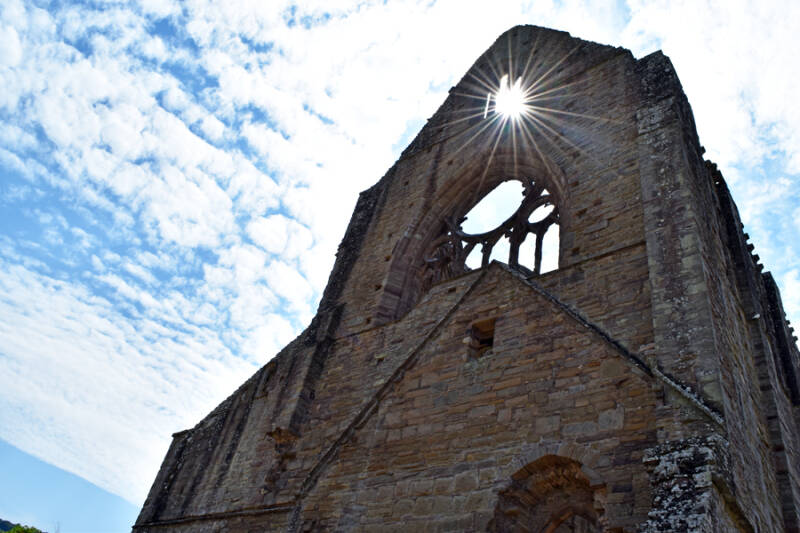
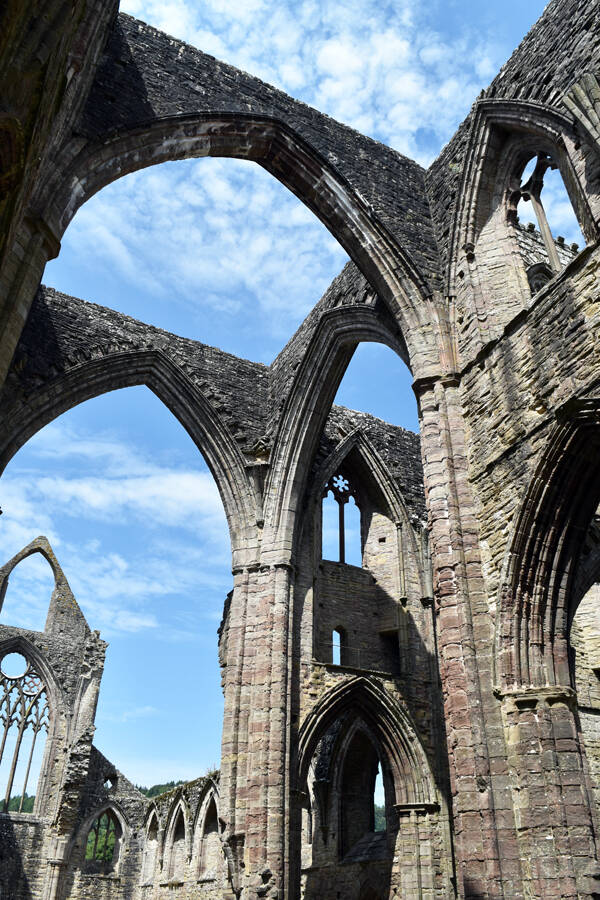
And once again, Tolkien comes to mind. The ruins of Rivendell?
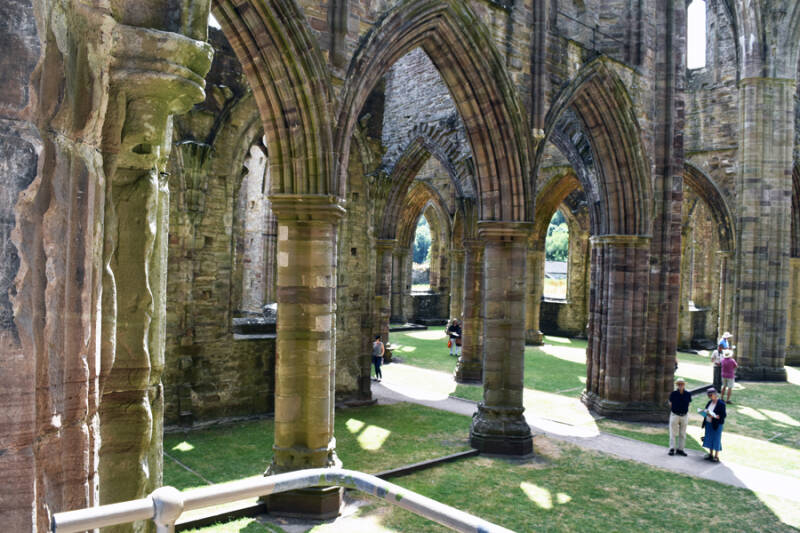
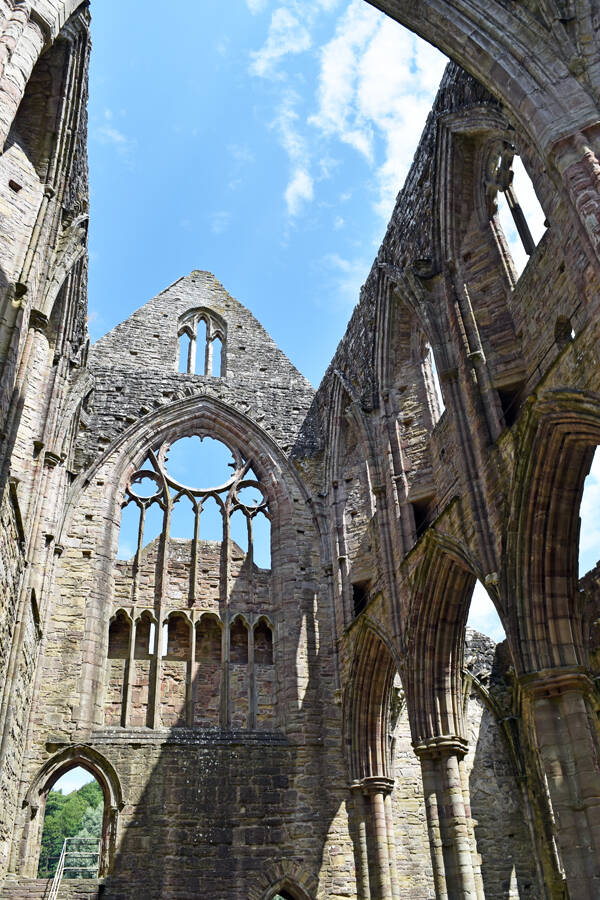
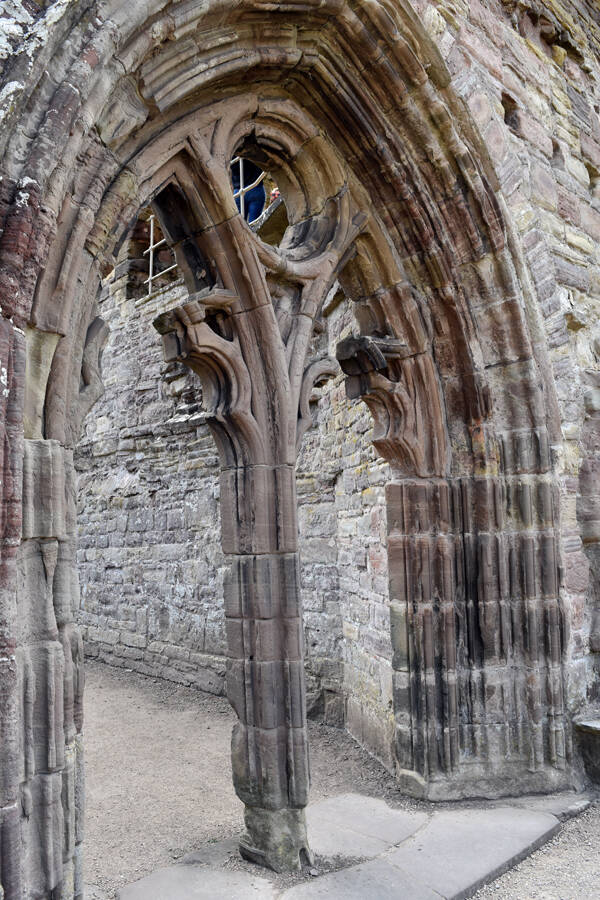
We had lunch at a wonderful restaurant at the abbey.
And then it was time to say goodbye to Wales and return to England.
We took a stroll through the picturesque town of Tetbury, one of those places that seem to be perpetually competing for the title of England’s prettiest village or small town.
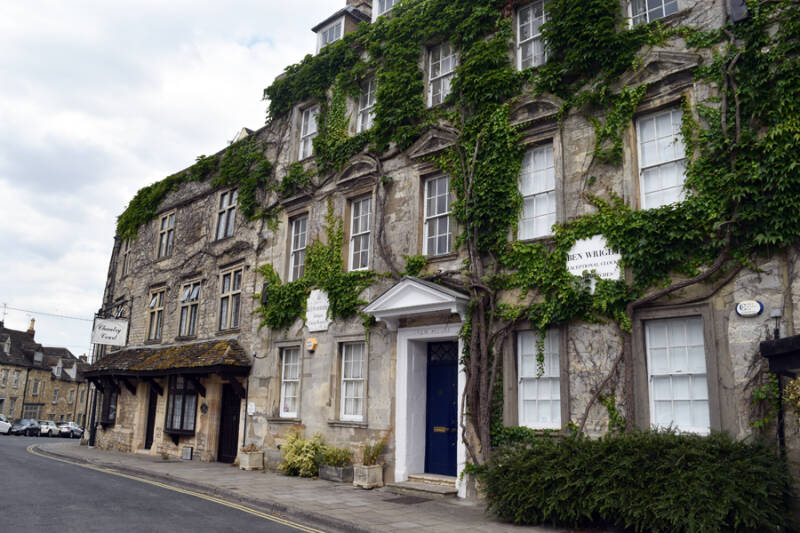
The boys were already laughing at my fascination with ancient tombs. But it is what it is. I can’t help but stand in awe of them.
We drove on to the charming town of Bourton-on-the-Water, where we took a walk through the town itself and through its miniature replica.
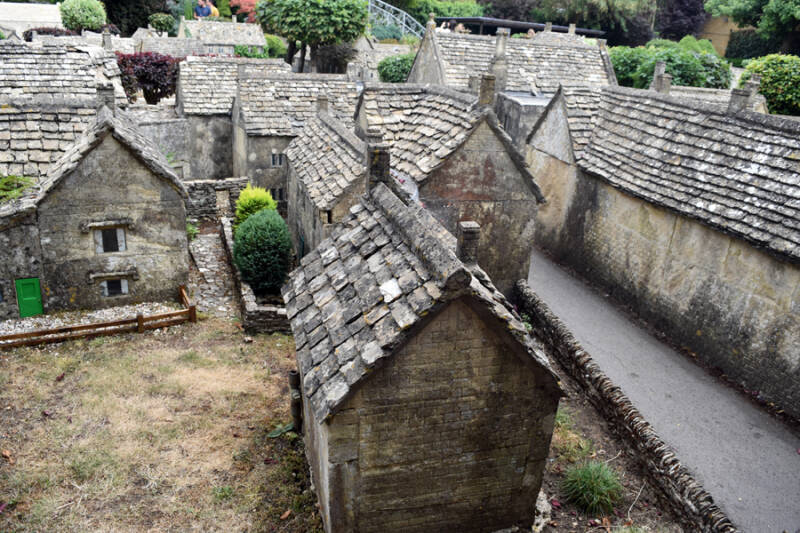
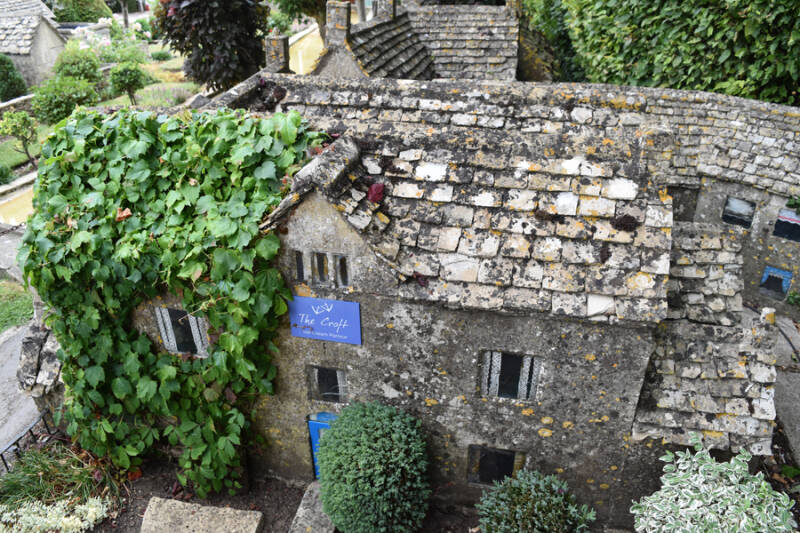
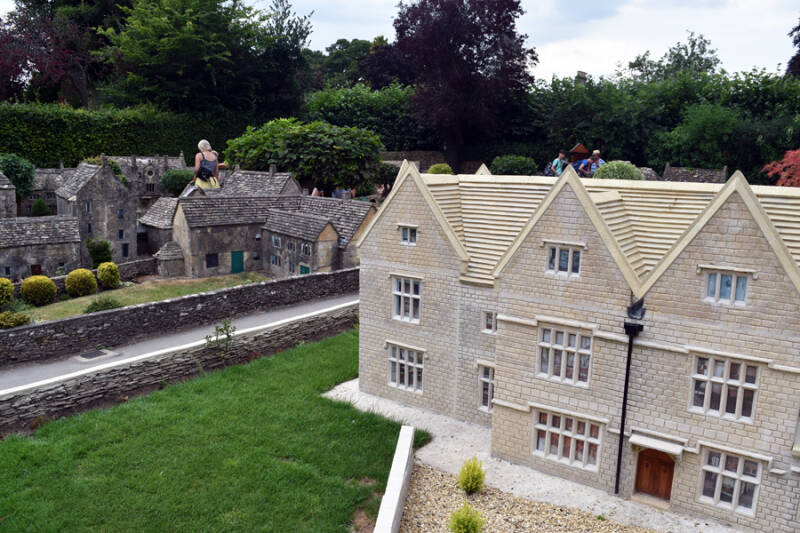
We spent the night in a small town near Oxford.
Day Six
Our hosts served us a fantastic breakfast, once again reinforcing our impression of the warmth and hospitality of the English.
Before heading to Oxford, we made our way to the palace of the Dukes of Marlborough — Blenheim Palace.
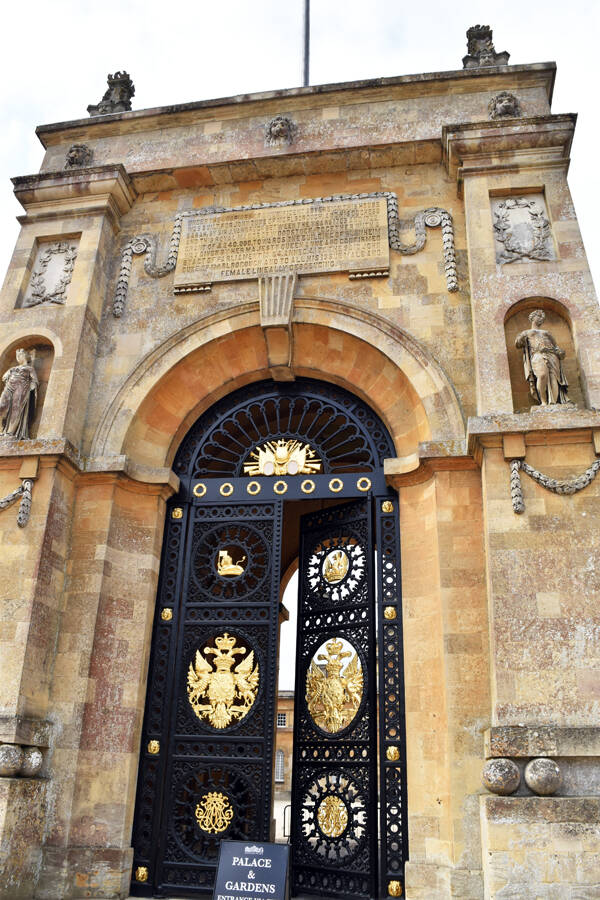
I thought a couple of hours would be enough, but we ended up spending about five hours there, walking an insane number of miles, and still didn’t even manage to see half of it.
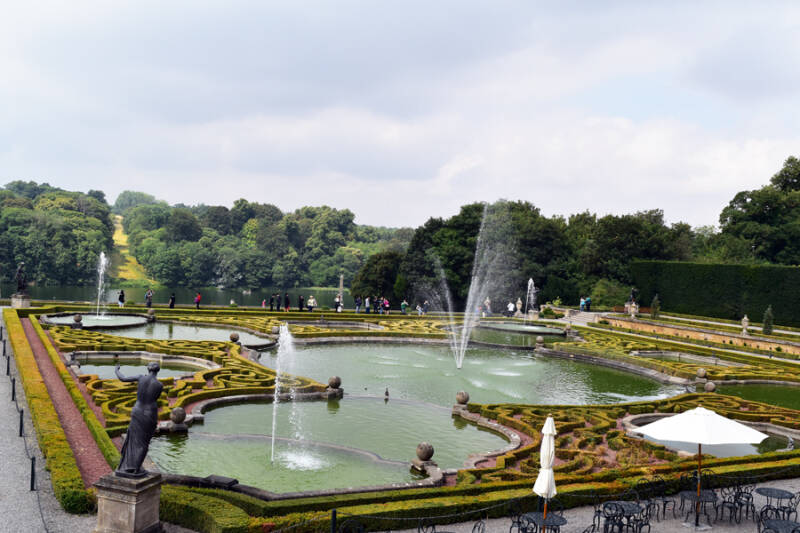
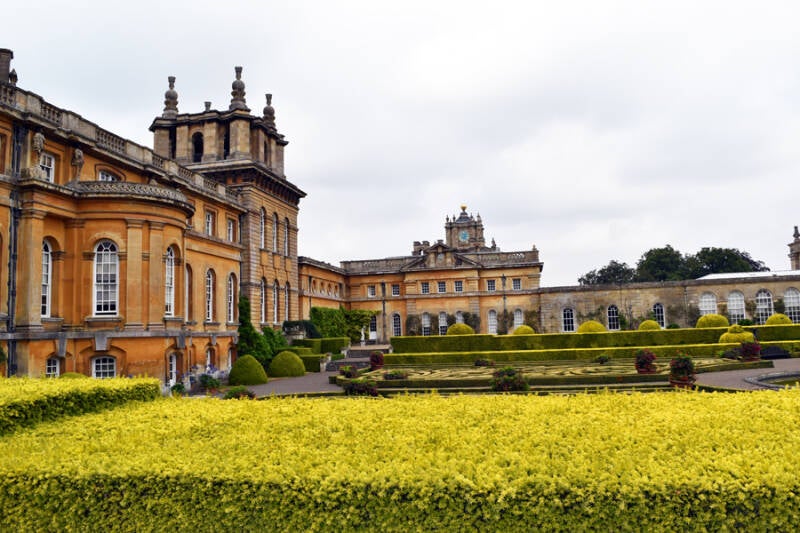
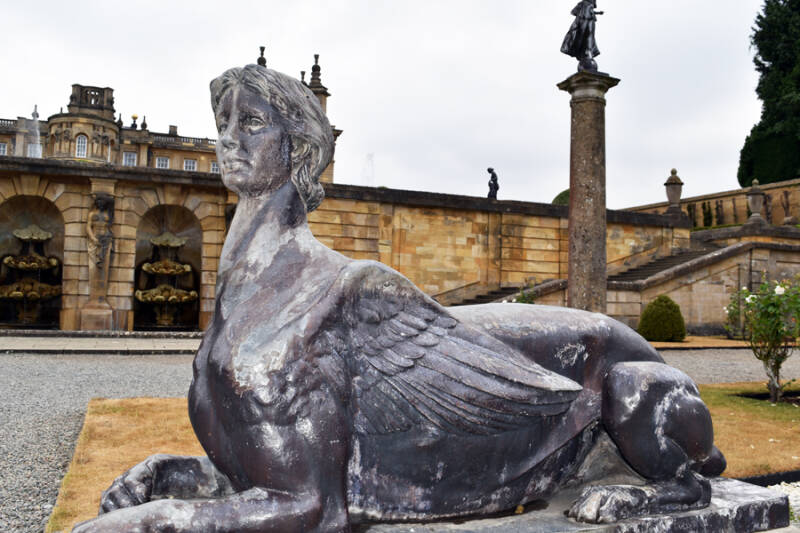
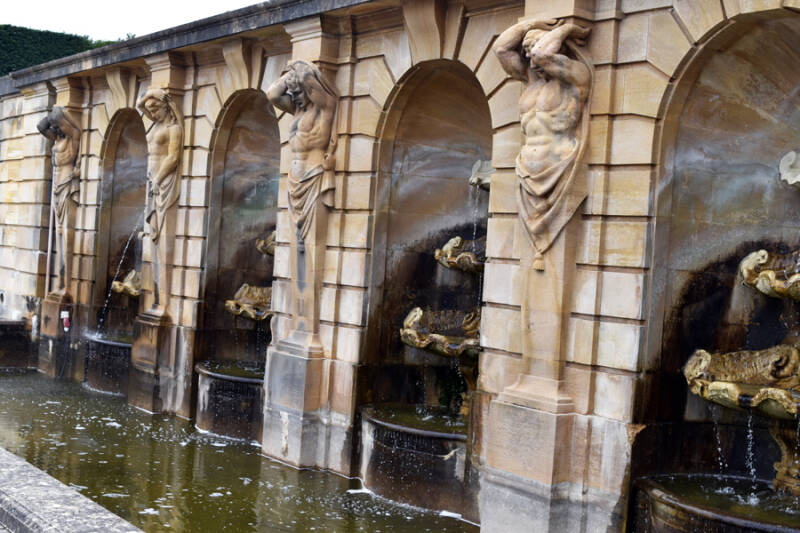
The Dukes still live in the palace today; only some of the rooms and grounds are open to visitors. In fact, we came to see the place where Churchill was born and grew up, and I have to say, both the palace and especially the grounds are truly impressive.
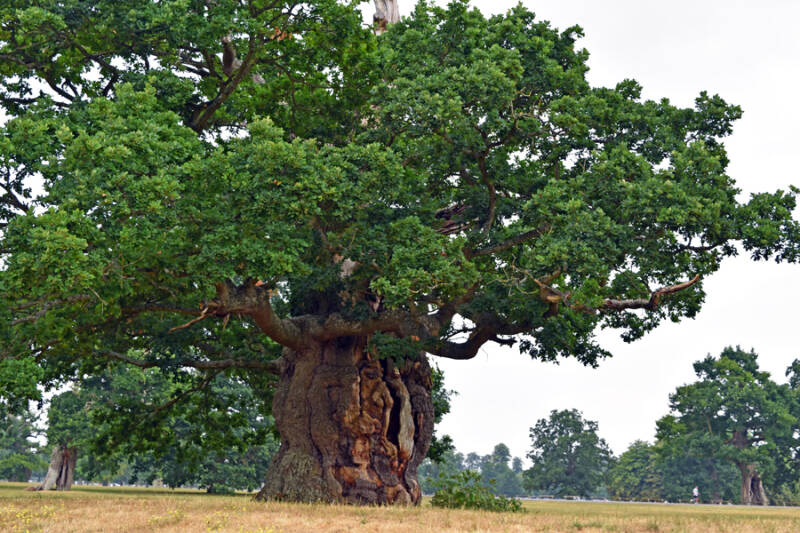
This was nothing like the modest little house at Chartwell where our journey had begun. This was a palace every bit as grand as Versailles, complete with fountains, winding mazes, a miniature railway, secret gardens, and enormous avenues. There were tourists everywhere — it felt like Disneyland. We probably spent half an hour just wandering around the maze.
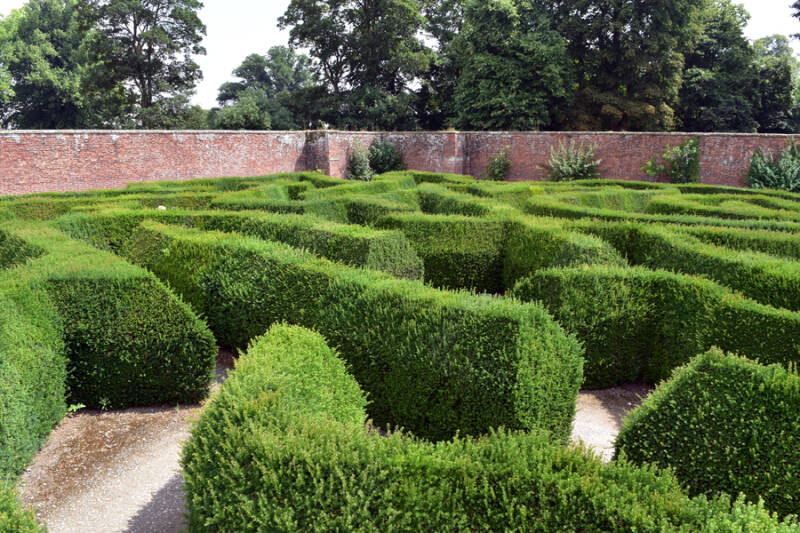
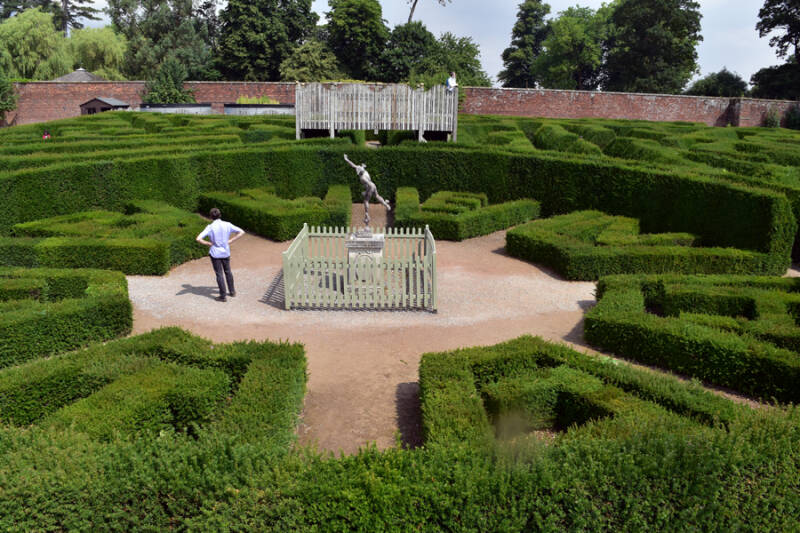
Just like in Jerome K. Jerome, whom we had happily listened to as an audiobook the very day before.
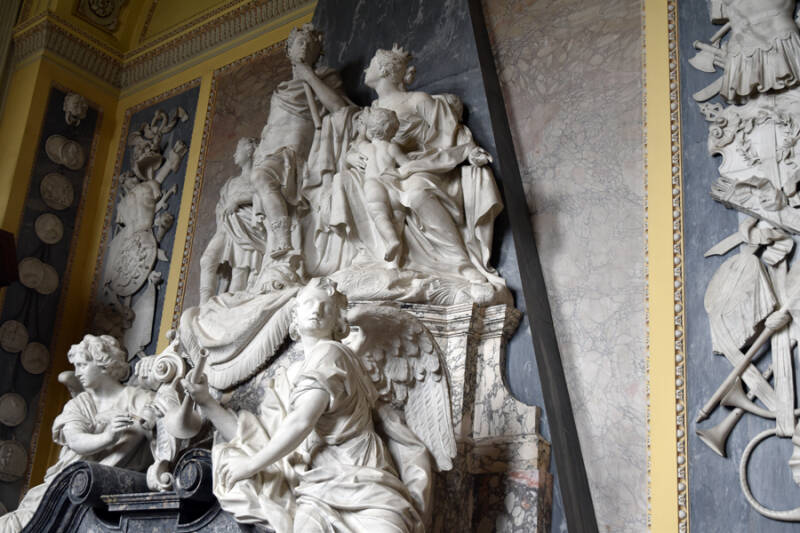
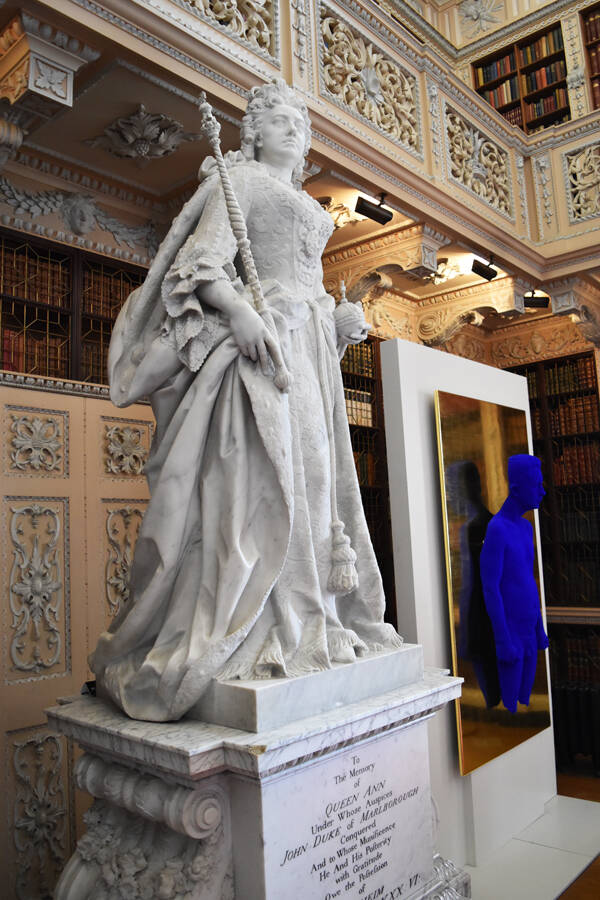
After all the little trains, restaurants, and wandering through the palace rooms, we spent quite a while browsing their bookshop, where Arseny paced back and forth, choosing books, then changing his mind, then choosing again. Finally, laden with books about Churchill, we set off for Oxford.
And that day happened to be graduation day in Oxford. We hadn’t taken that into account, I confess. The city was bursting at the seams with crowds of graduates in their gowns and their numerous relatives. There was absolutely no way to park anywhere within a reasonable distance of the center. We left the car in the middle of nowhere and set off on foot.
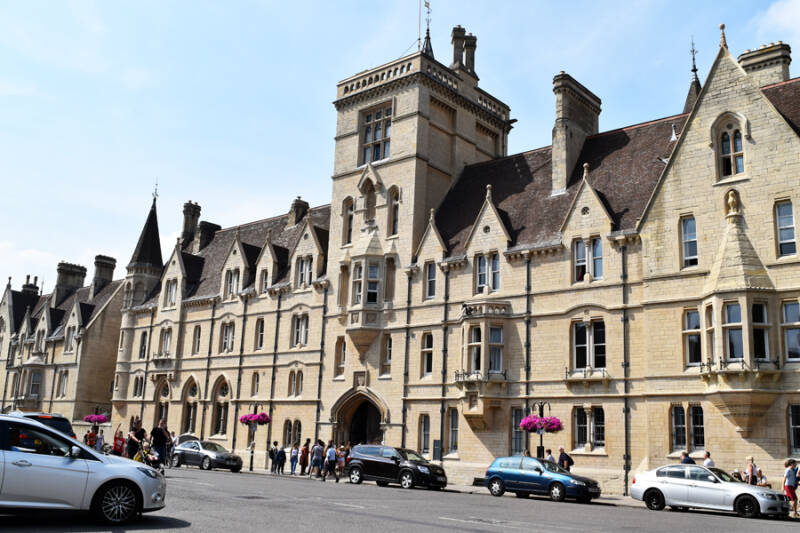
And the city itself is beautiful, atmospheric, and bustling. Student life is everywhere, naturally.
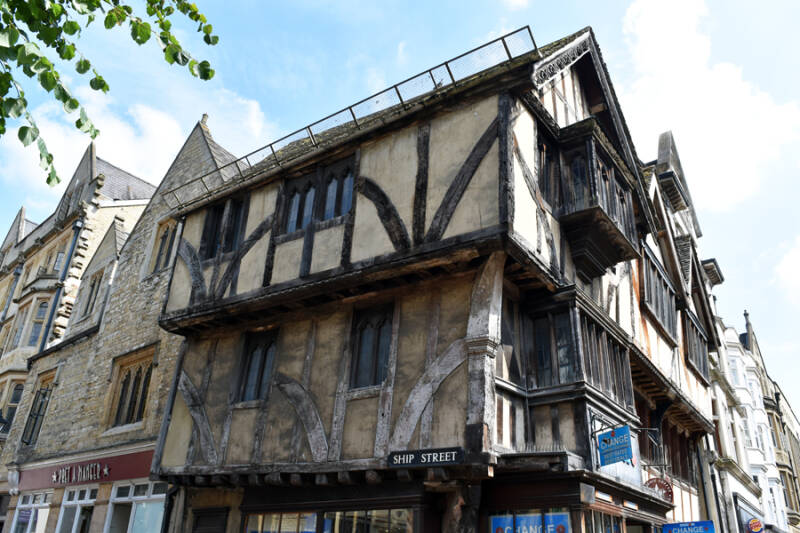
Buildings along the pedestrian street.
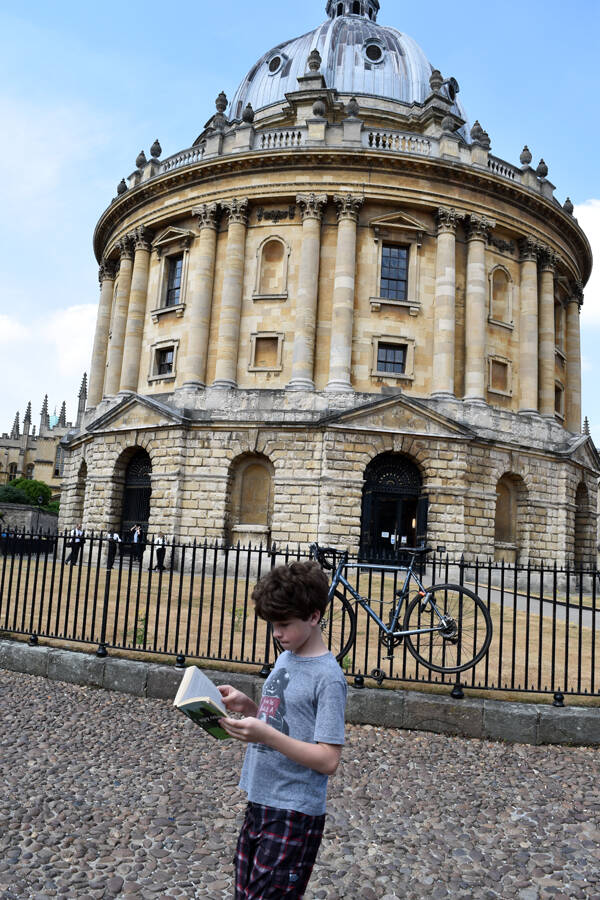
We wandered around the famous Bodleian Library. For some boys, books are more interesting than sightseeing.
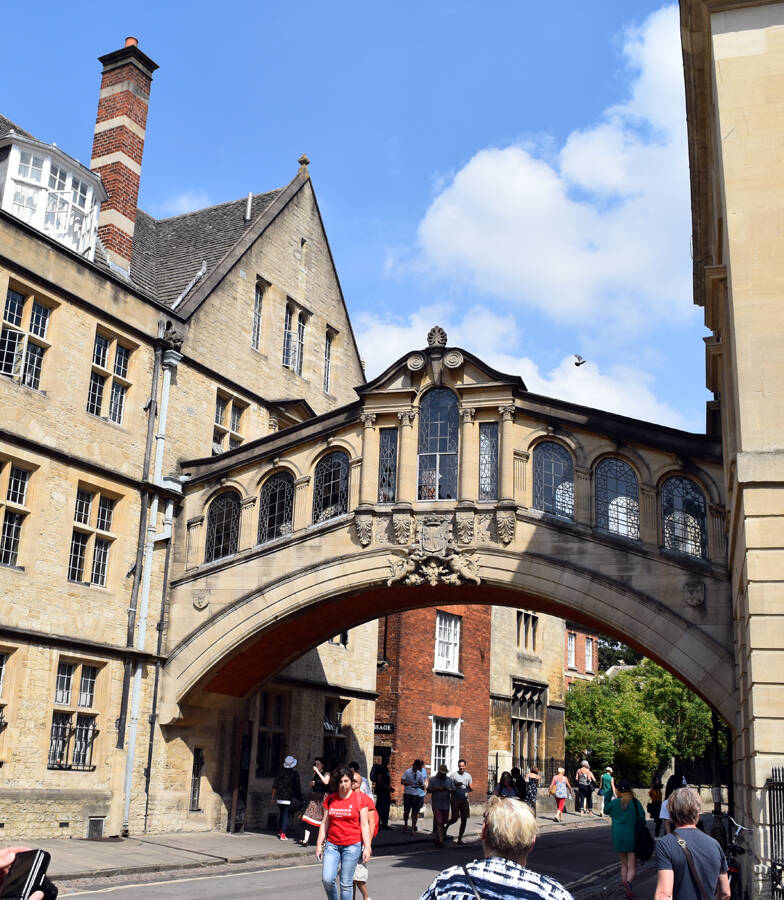
Bridge of Sighs. Although the name is a reference to the famous Venetian bridge, it is similar to it neither in appearance nor in the reason for the sighs.
The little details that make up the character of the city.
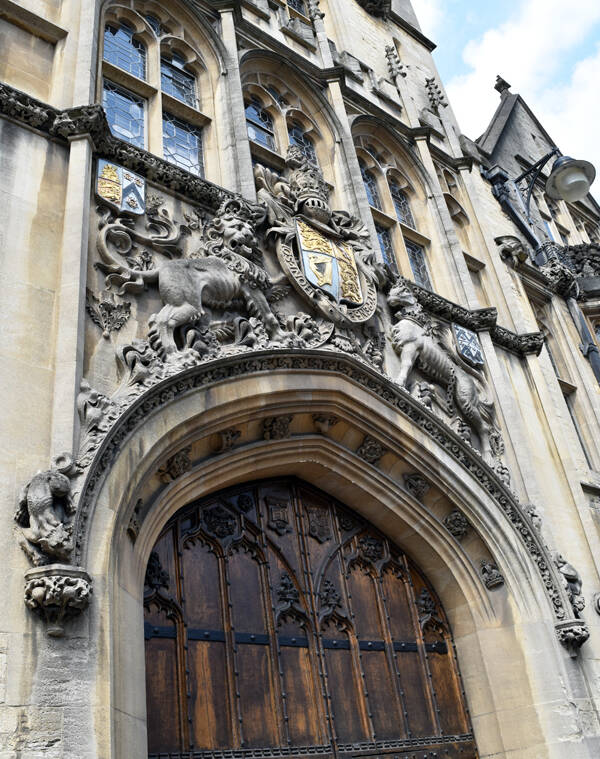
By the end of our walk, we were exhausted — the heat, the crowds, and all those miles on foot had taken their toll. We limped back to the parking lot and collapsed into the air-conditioned car. Well, Arseny and I collapsed; Ilya took the wheel. By evening, we reached Cambridge.
Day Seven
“Stephen Hawking went to Oxford first, too, but quickly realized where they give a Real education and transferred to Cambridge.”
(Something we heard from the locals.)
In the morning, we went for a walk around the city. We had very little time in Cambridge, so we decided to see it from the water.
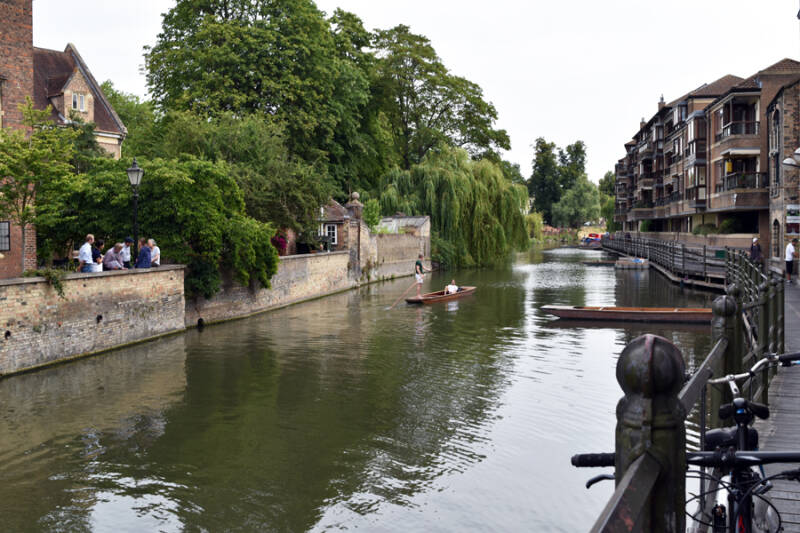
We really wanted to take a ride in their famous flat-bottomed punts. We could have stood in line and squeezed in like sardines in a tin, or we could skip the queue and take a private tour for a perfectly reasonable price, enjoying the charming, hilarious, and informative historical and student stories told by our young punter.
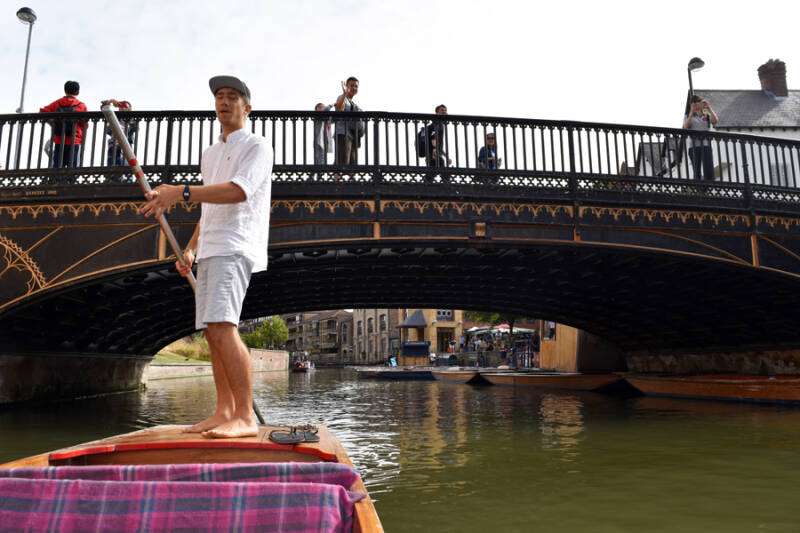
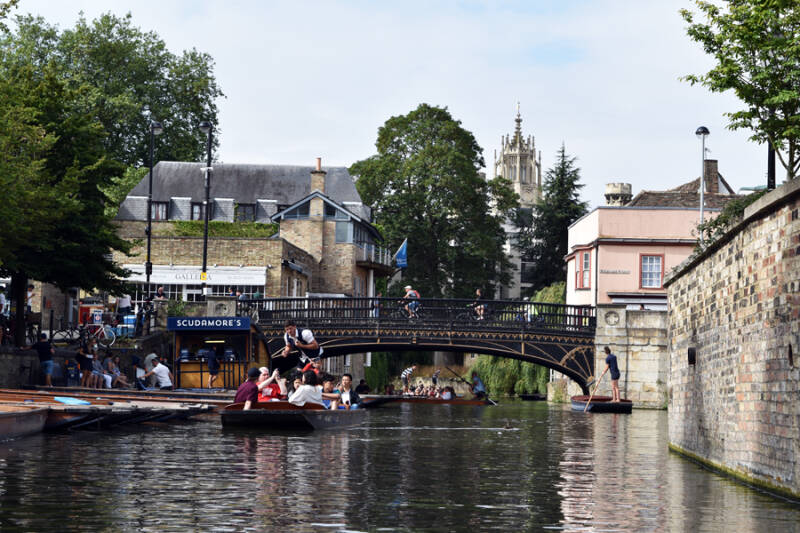
And here, too, there is a Bridge of Sighs.
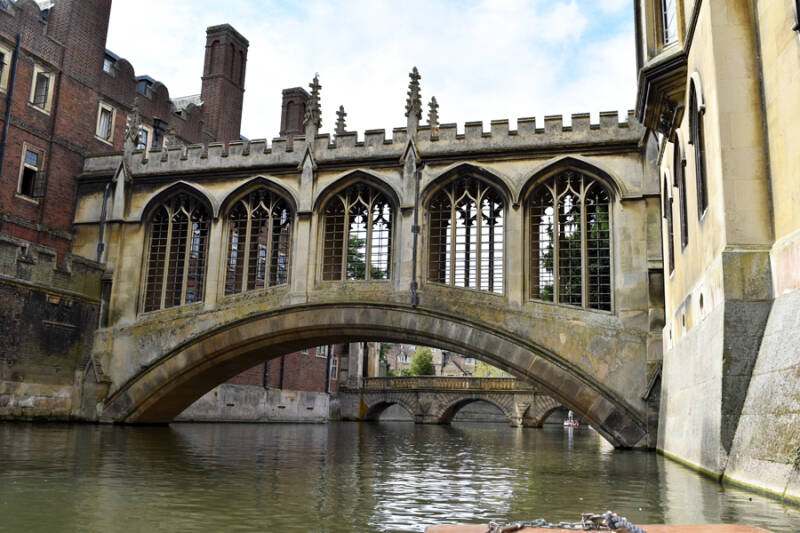
The tour was wonderful. I wholeheartedly recommend it.
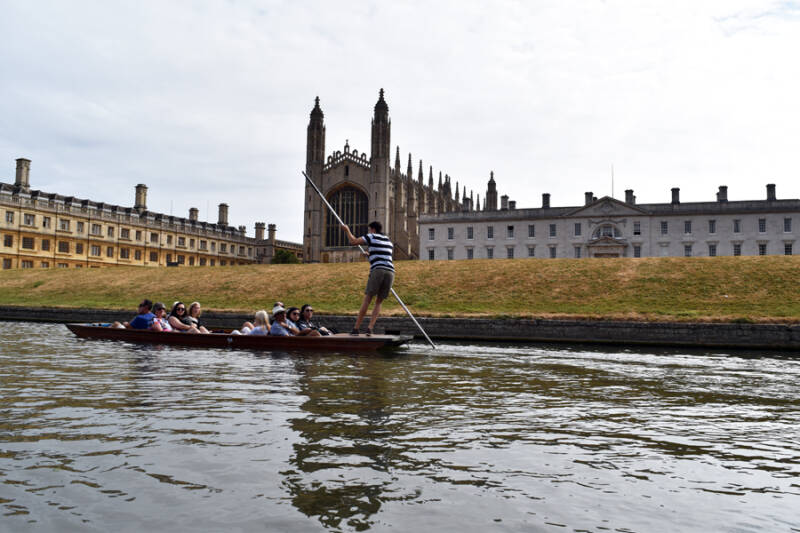
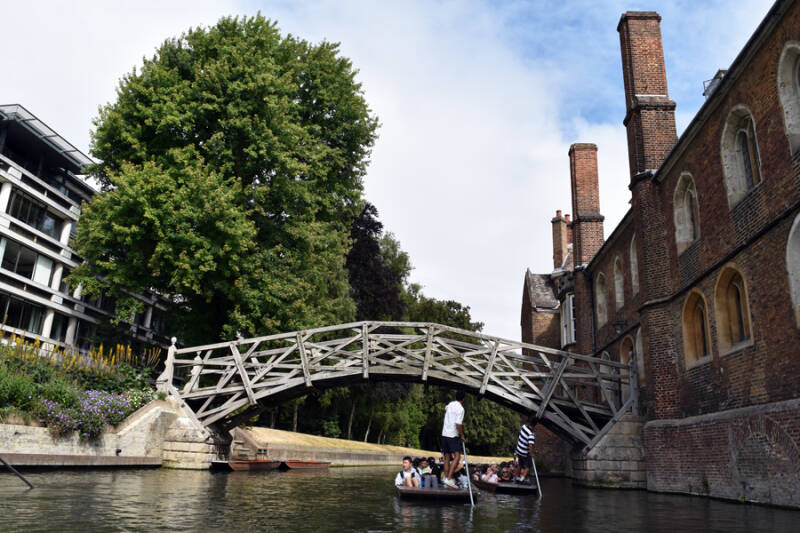
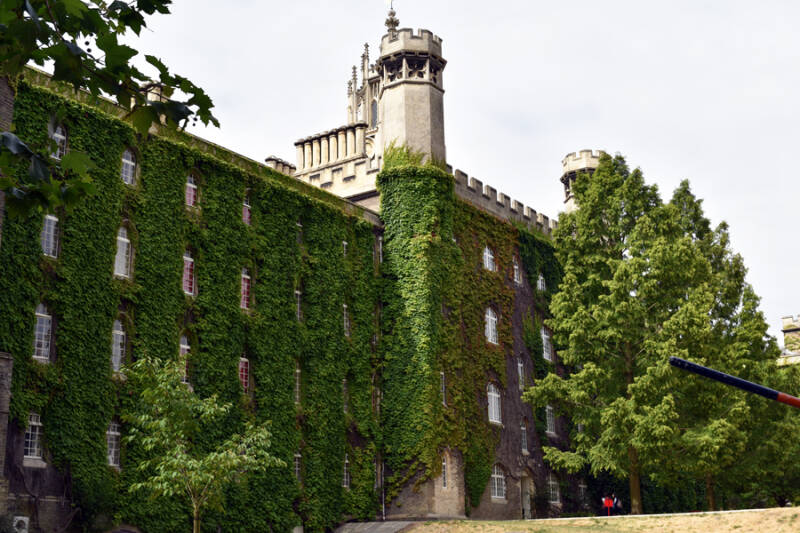
On the way back, Ilya decided he wanted to take the helm.
I should mention that in Oxford I bought a T-shirt with “Oxford” written on it, and in Cambridge I happened to wear it. I got mercilessly teased by everyone we passed :). Even the café staff tried to charge me double, as a representative of the sworn enemy. We had a good laugh, in any case.
Overall, though, from our admittedly very superficial perspective, Cambridge seemed much cozier, prettier, and more charming than Oxford. Perhaps partly because there were none of those awful crowds here. We really don’t like crowds.
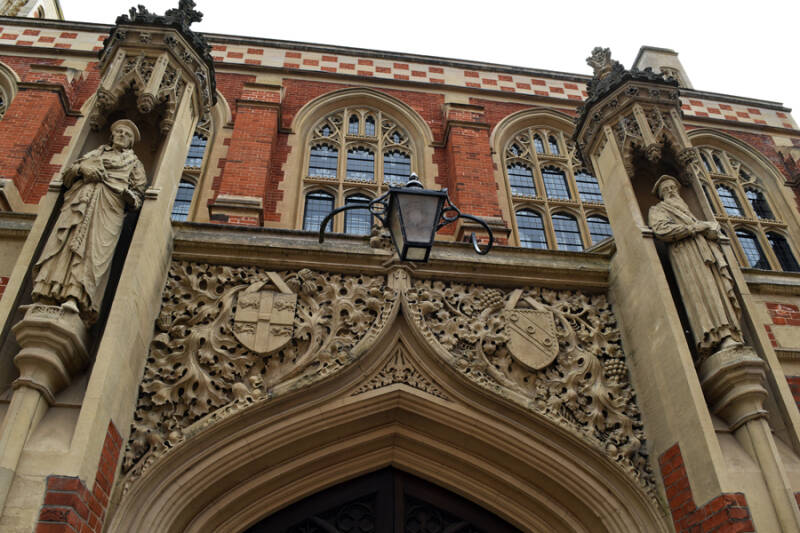
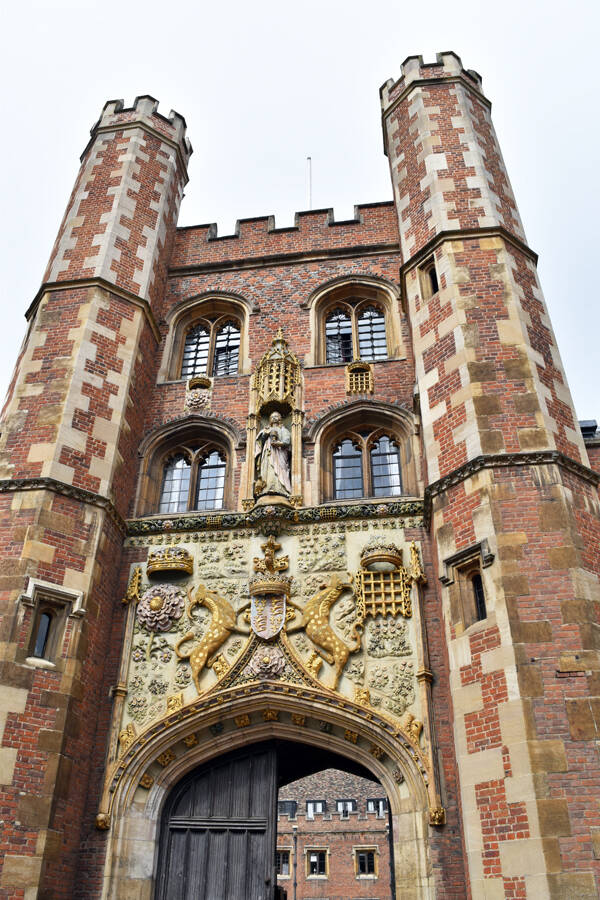
And then again, after the seaside, Wales, and all those villages, we did need to prepare ourselves, at least a little, for London...
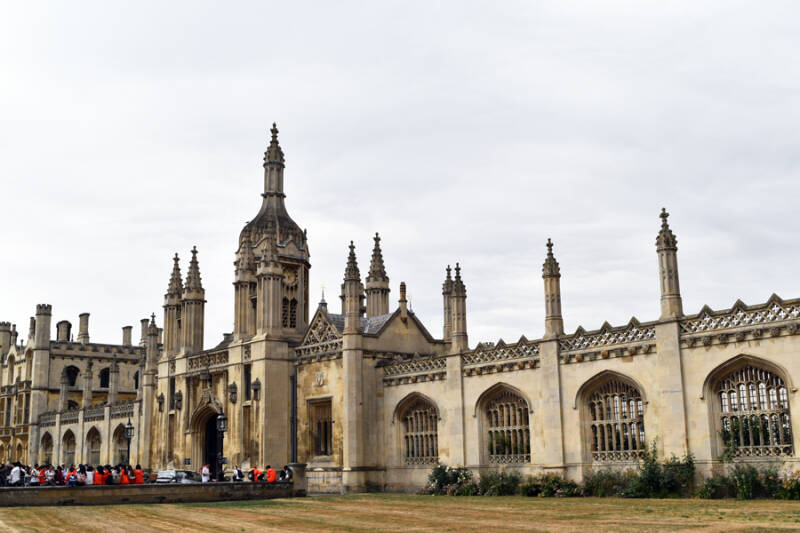
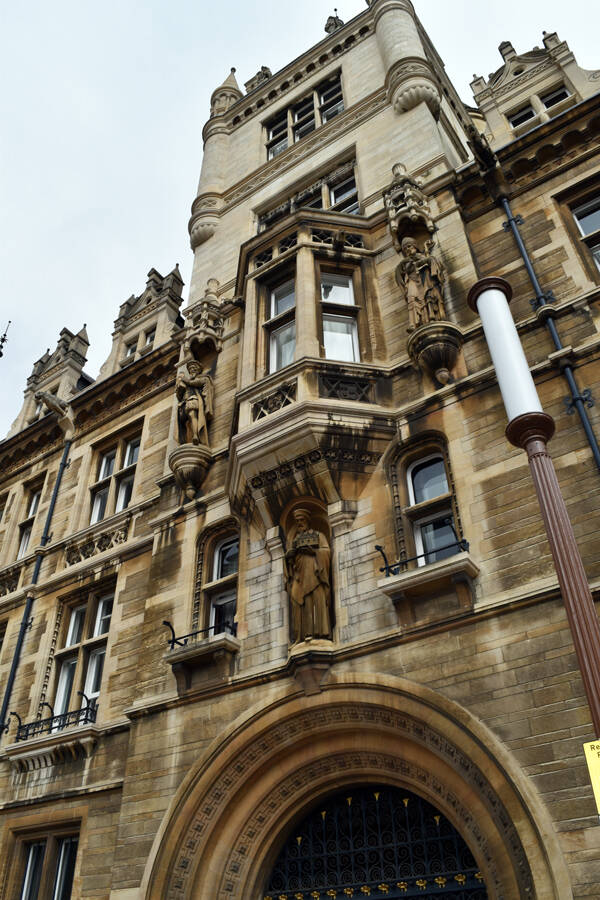
A familiar face — Henry VIII
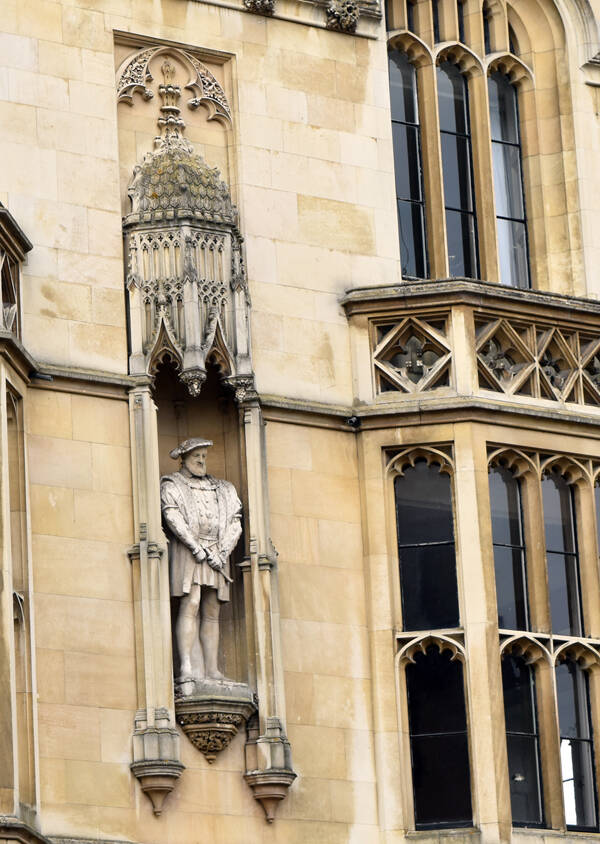
Jerome K. Jerome poked fun at how Henry and his Anne were forever getting under the feet of the English, just as happens with lovey-dovey couples whom their relatives are constantly bumping into. I can well believe it. Even now, Henry seems to turn up at every corner. And yet, how many centuries have passed!
We grabbed a bite to eat and finally set off for the capital of Great Britain.
We arrived in London around one in the afternoon. We parked the car at our hotel, dropped off our things, and took the Tube.
As for London, pretty much everything has already been said. So I’ll share my personal impressions.
I can’t say that London is a city of contrasts. But my impressions of the city certainly were.
When it comes to beauty and architecture, London has no equal. It is breathtaking. Magnificent. It is enormous, yet it isn’t beautiful only around its central squares and parks — it is beautiful everywhere. You can walk through it hour after hour (which is exactly what we did), and astonishingly beautiful buildings will just keep appearing, one after another. That, perhaps, was my strongest and most important impression of London.
But there were others.
So, in the middle of the day, we took the Tube. And discovered that while the temperature outside was +32°C, the London Underground offered its own delightful climate: humidity, temperatures somewhere around +40°C, and a pleasant breeze containing absolutely no oxygen whatsoever.
At the same time, it becomes immediately obvious that London is slightly overcrowded. Which is why, on the Tube, you can get from point A to point B, whereas by car... well, presumably you can too, but it would probably take considerably longer.
Never mind, I thought. We’re going to museums, into the cool of the galleries and the quiet of the exhibition halls. We just have to endure this sticky, suffocating “tube,” and everything will be wonderful.
We got off at the Natural History Museum.
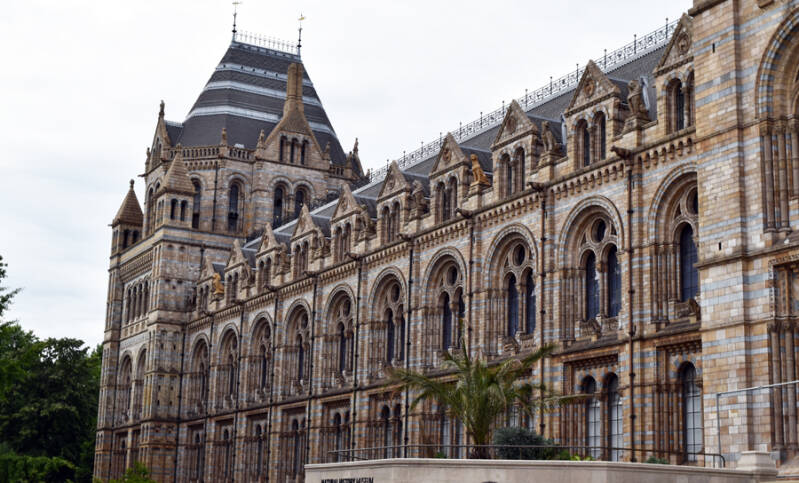
We walked into the hall and were blown away.
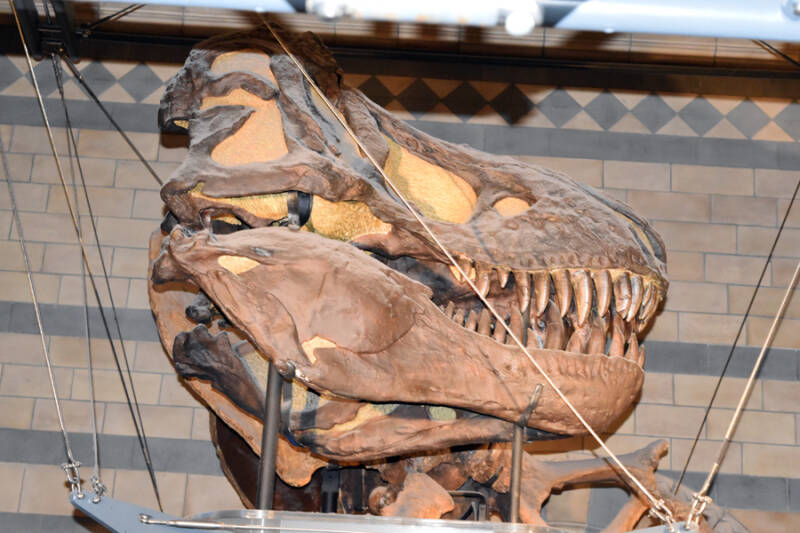
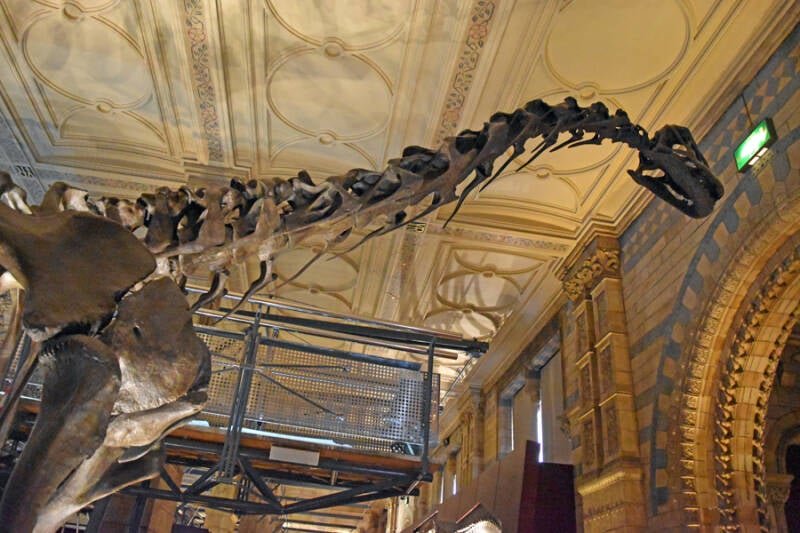
Not because of the enormous dinosaur skeletons, as we probably should have been, but because there was no air conditioning here either, and there were approximately as many people as on the Tube. Red-faced, dazed by the heat, wandering aimlessly and bewilderedly among the exhibits.
No matter how magnificent the collection, it’s very difficult to fully appreciate it in sauna-like conditions. So we would periodically escape outside, eat ice cream in the shade, go back in, come out again, and sit and recover for a while.
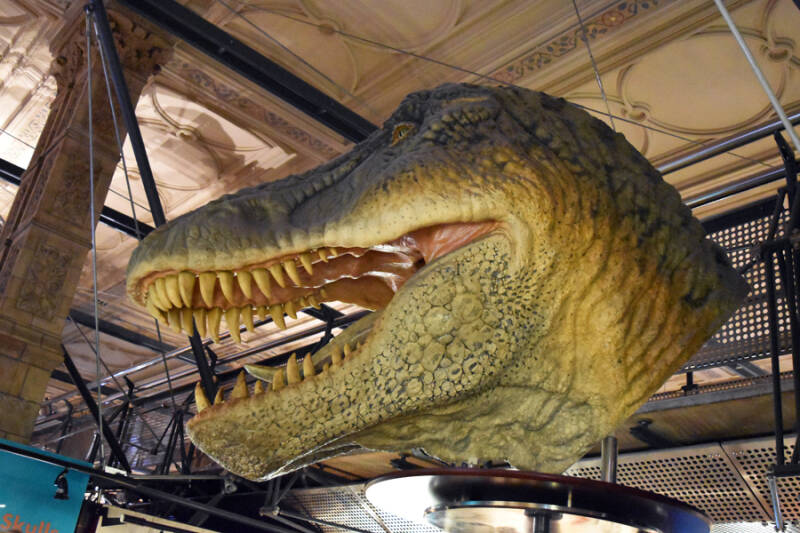
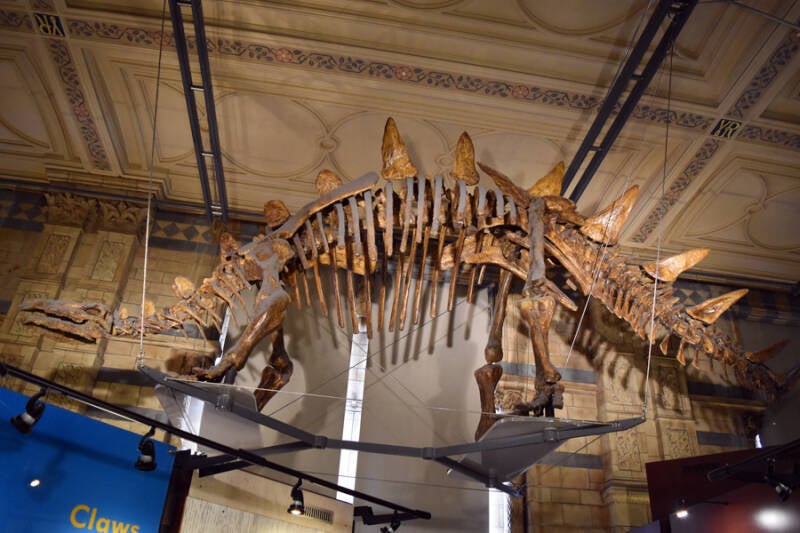
London clearly wasn’t prepared for the heat. We certainly weren’t expecting the weather to pull a stunt like this either. Ever since my heatstroke in Death Valley in the spring, I’ve become even less fond of hot weather, and had been practically dreaming of a foggy, rainy Albion. Damn.
Right next to the Natural History Museum is another museum — the Science Museum.
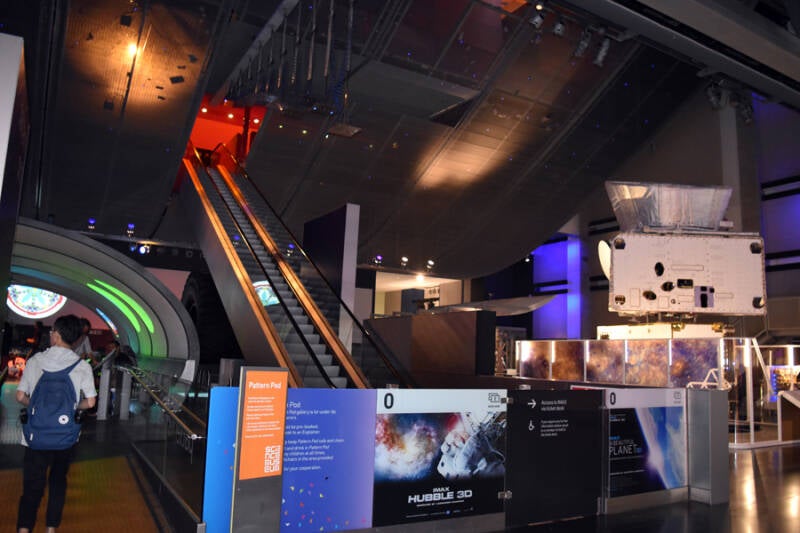
And, oh my God! What a heavenly place! Not because the exhibits were magnificent (although they really were), but mainly because there was air conditioning, and the temperature was actually compatible with human life. Hooray!
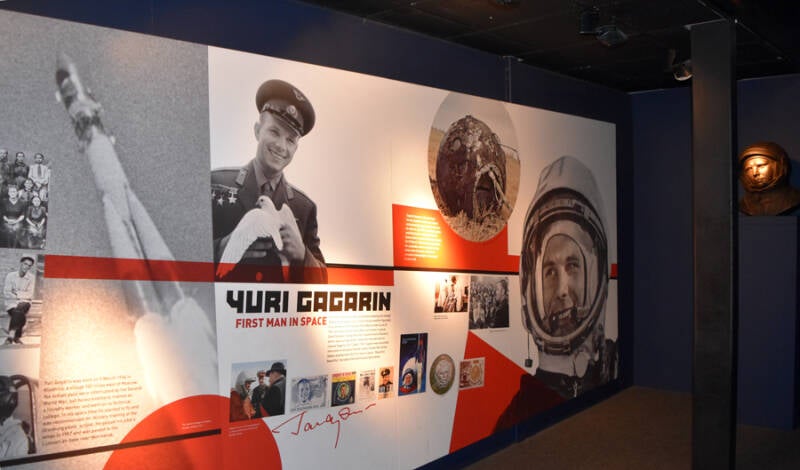
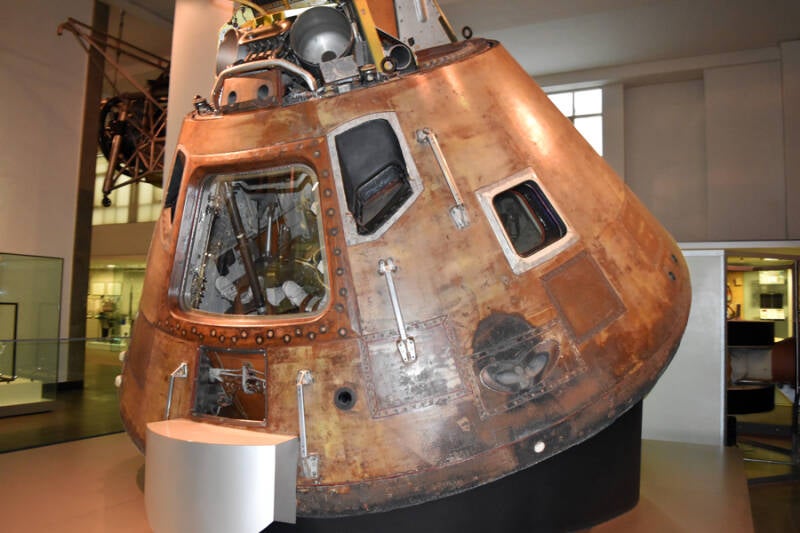
After the museum, we walked toward Kensington Gardens and Hyde Park.
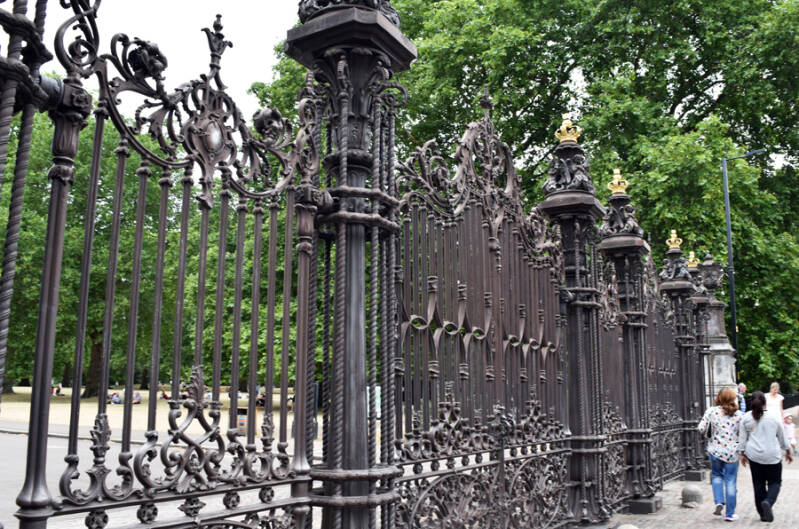
It was getting late, but the heat stubbornly refused to let up. We wandered along at a leisurely pace, periodically stopping to rest on benches in the shade.
The monument to Prince Albert, erected by his devoted wife, Queen Victoria. (By the way, I highly recommend the TV series Victoria too.)
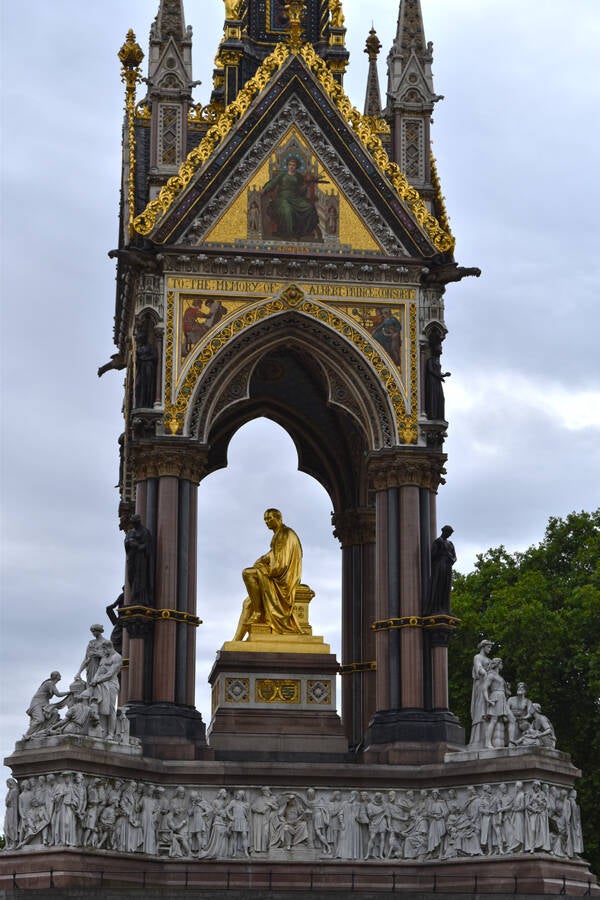
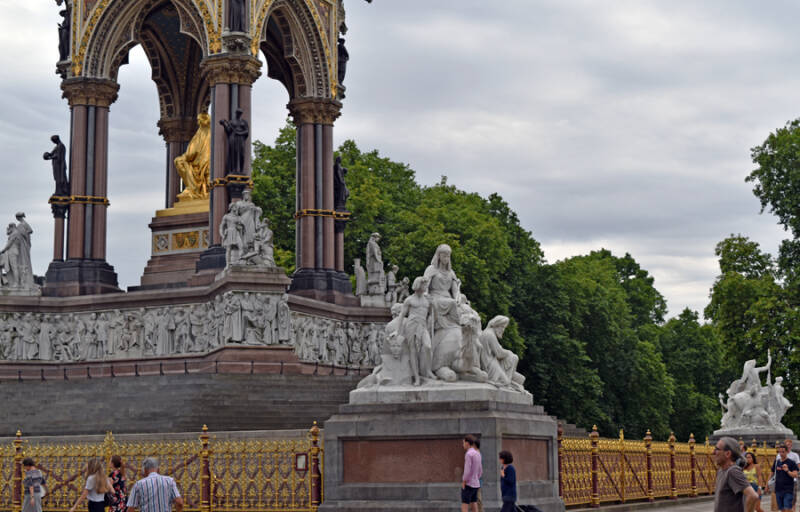
And Hyde Park was bustling with activity. I was unpleasantly struck by the number of women wearing burqas that covered even their eyes. To me, the fact that in the 21st century, in a civilized country, such a blatant form of female oppression is considered acceptable is shameful.
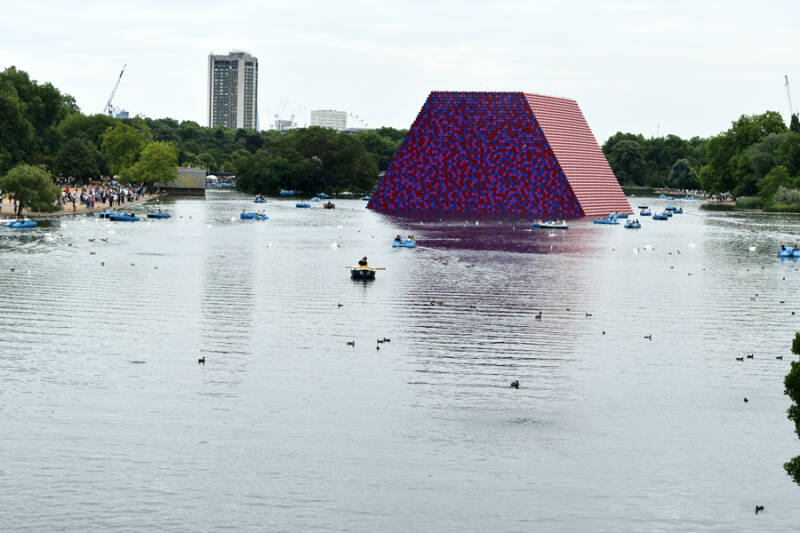
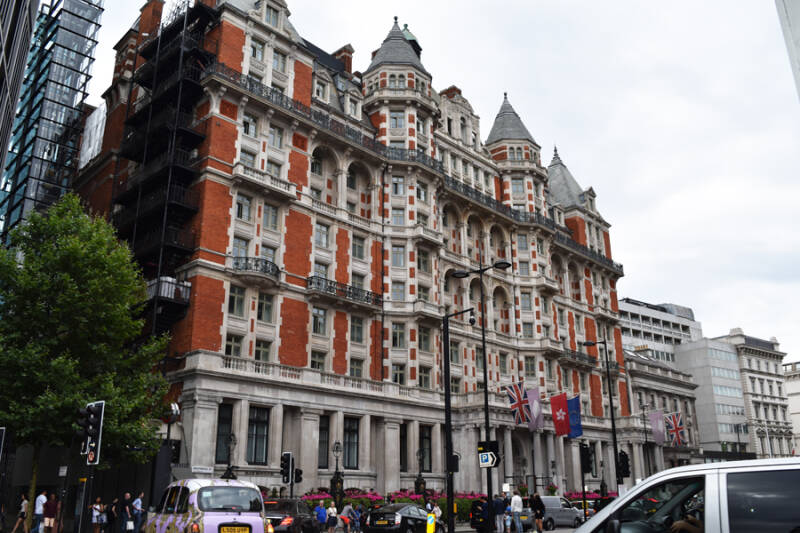
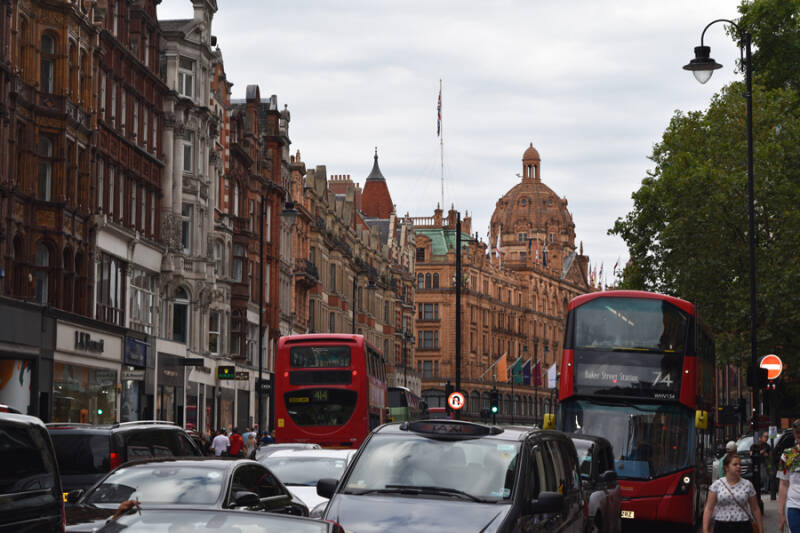
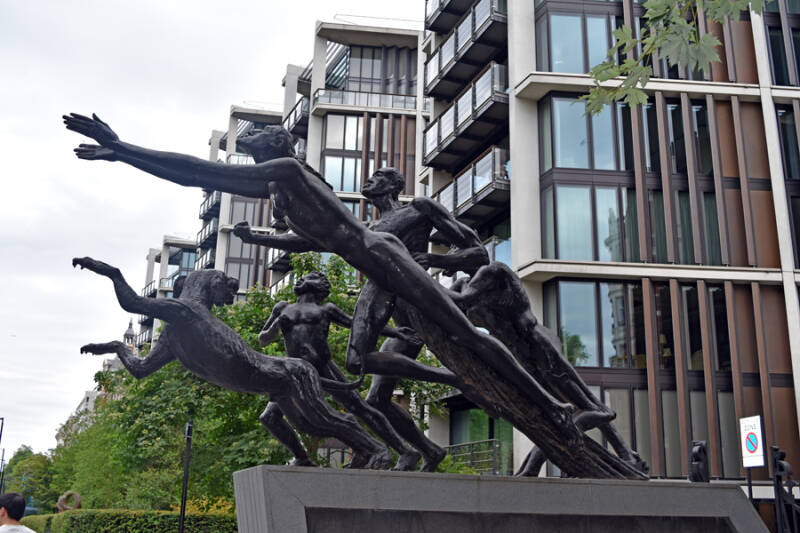
After two museums and two parks, we were completely exhausted. We got back to the hotel, took showers, and collapsed into bed.
Day Eight
(There will be lots of wonky photos of buildings. I just can’t stop myself.)
One of the definite advantages of our London hotel — besides the fact that it was literally right on top of a Tube station, and that it had air conditioning, which is by no means a given in England — was its varied and delicious breakfast. Hotel breakfasts are generally pretty good in Europe, but in London, ours was simply wonderful.
After a lovely breakfast, we took the Tube to Piccadilly.
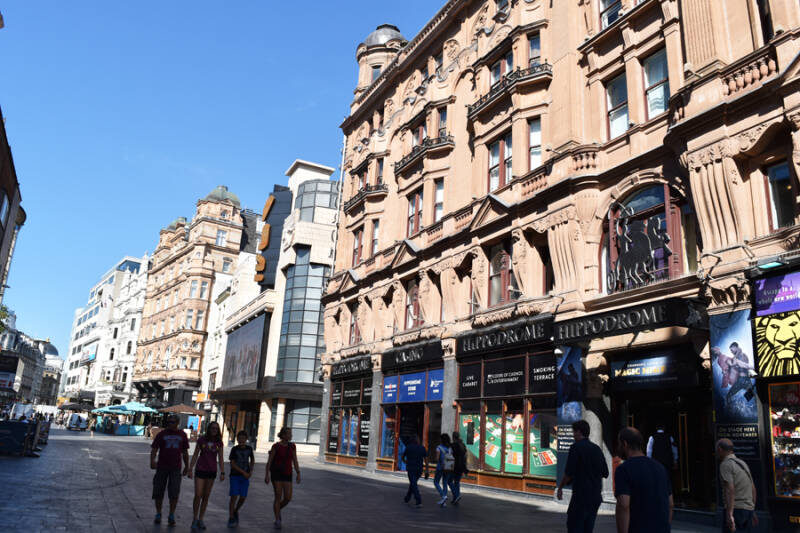
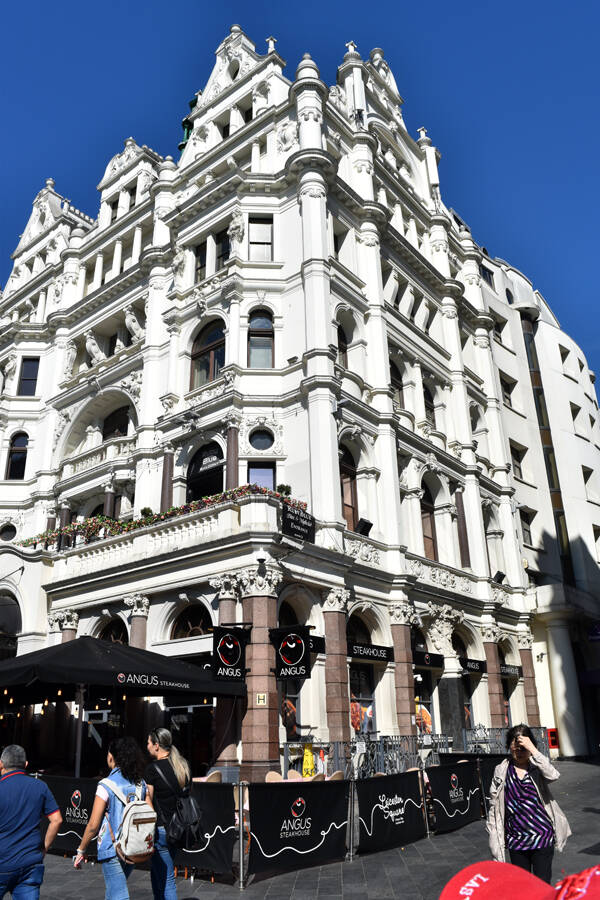
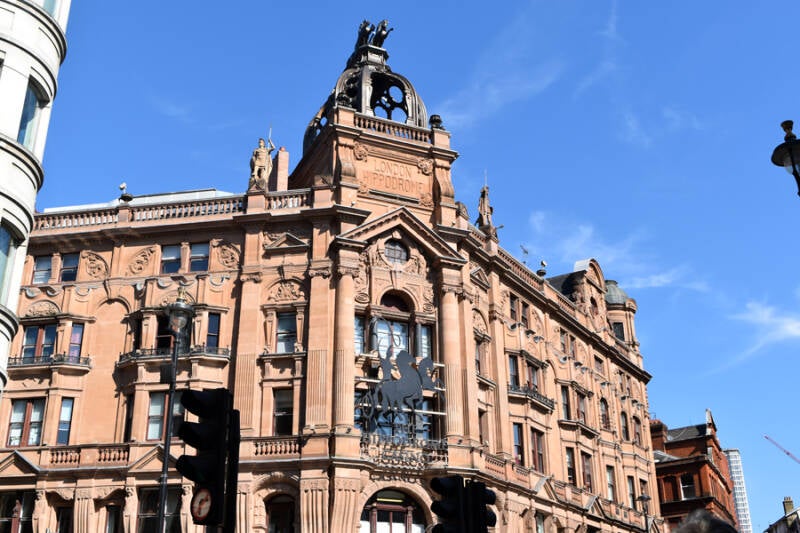
It’s a great place for a walk, and the hop-on hop-off buses run along it as well. Given how little time we had to explore the capital, it seemed like a good way to get at least a basic feel for the city.
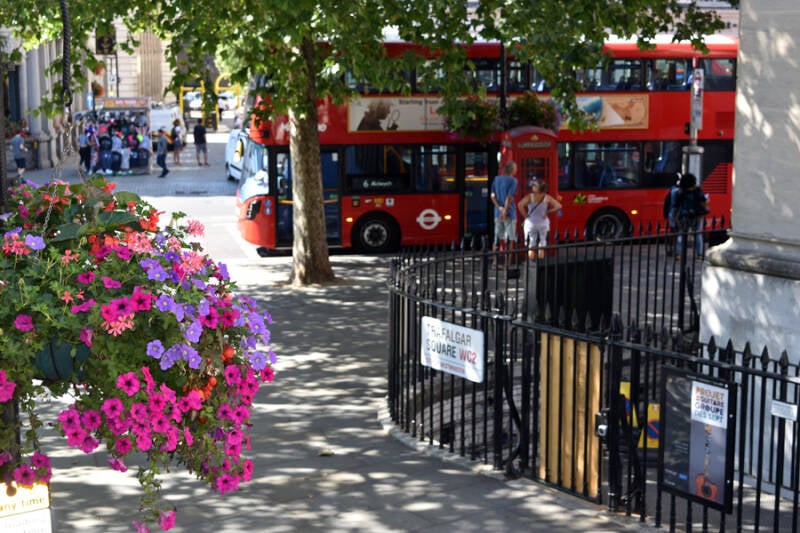
The ability to hop off at any stop, explore on foot, and then hop back on any bus operated by the same company throughout the day turned out to be incredibly useful.
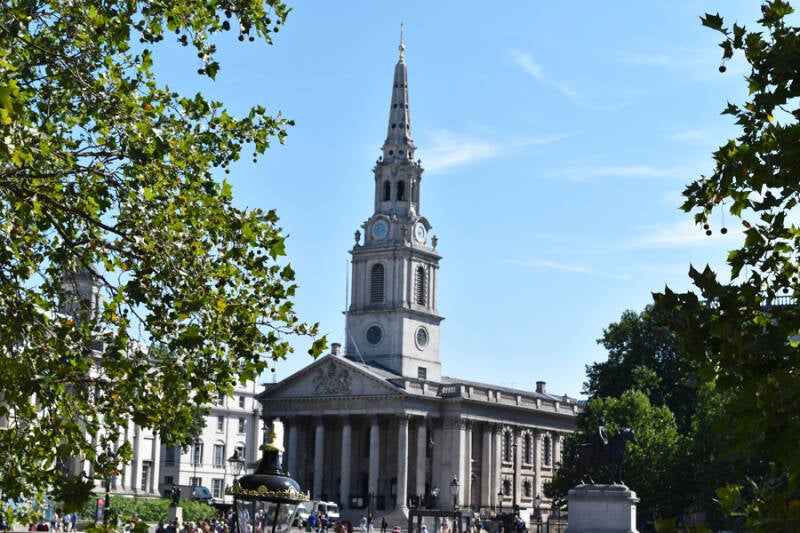
We ride along, marveling at the architecture and listening to our guide. We drive around Trafalgar Square.
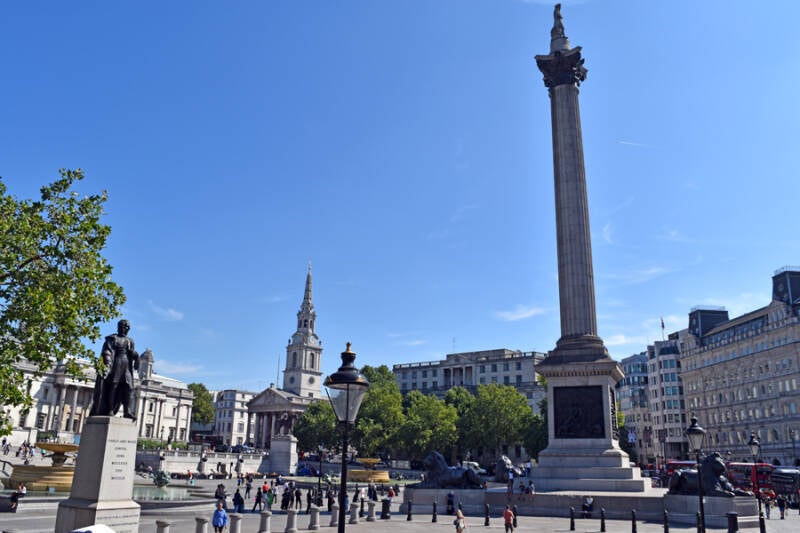
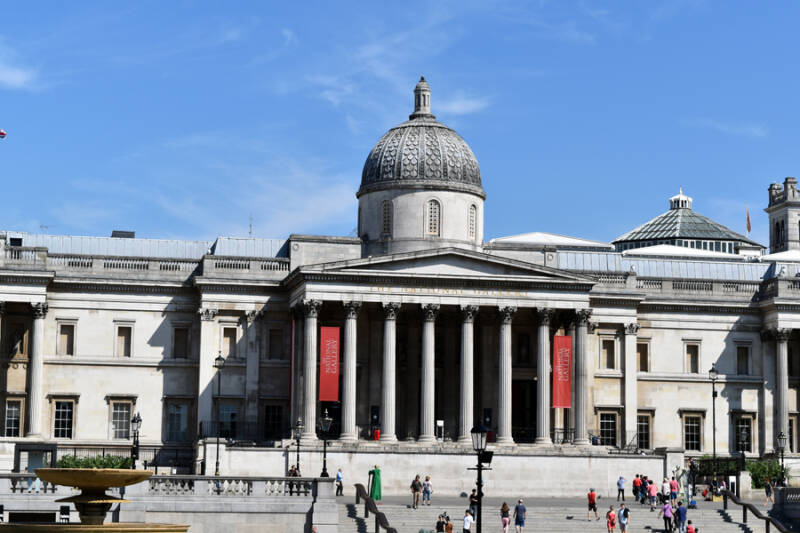
The National Gallery is right here, too. We’re going there tomorrow.
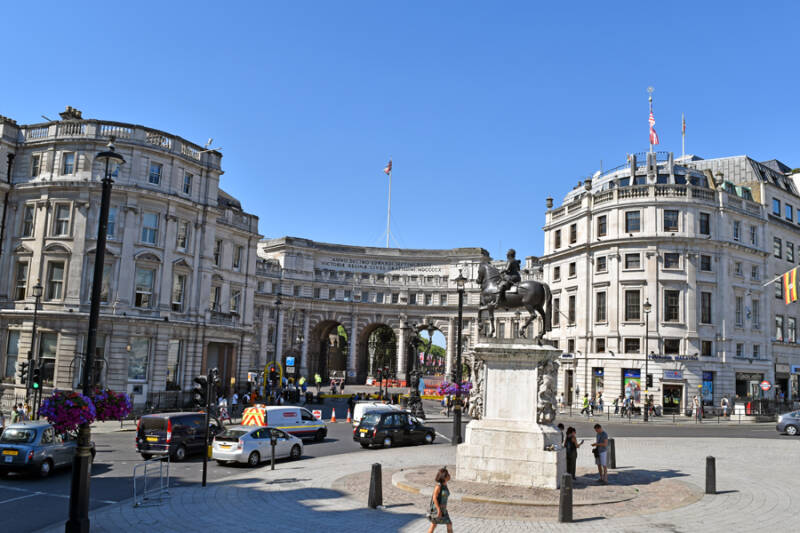
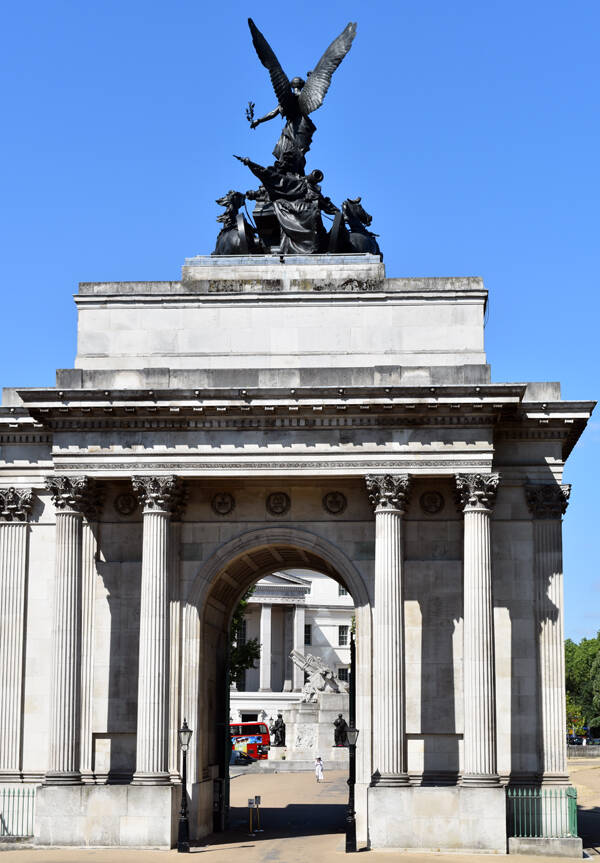
Wellington Arch (commemorating the victory over Napoleon at the Battle of Waterloo).
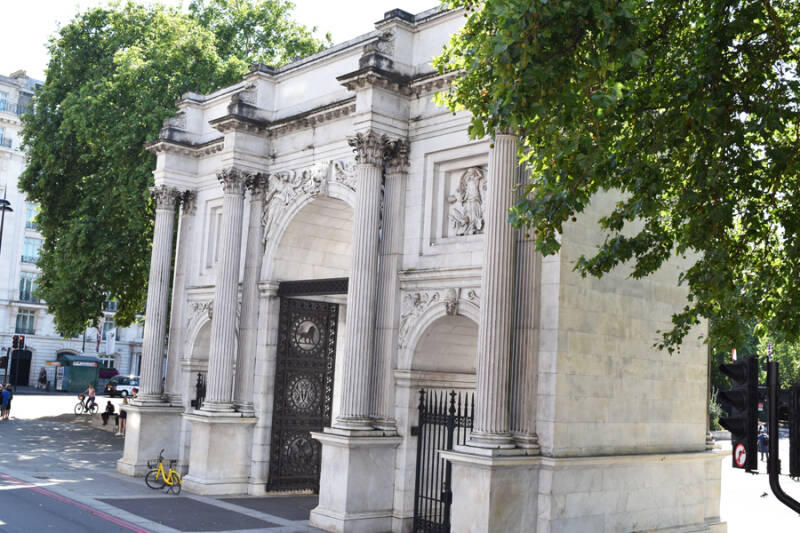
Marble arch.
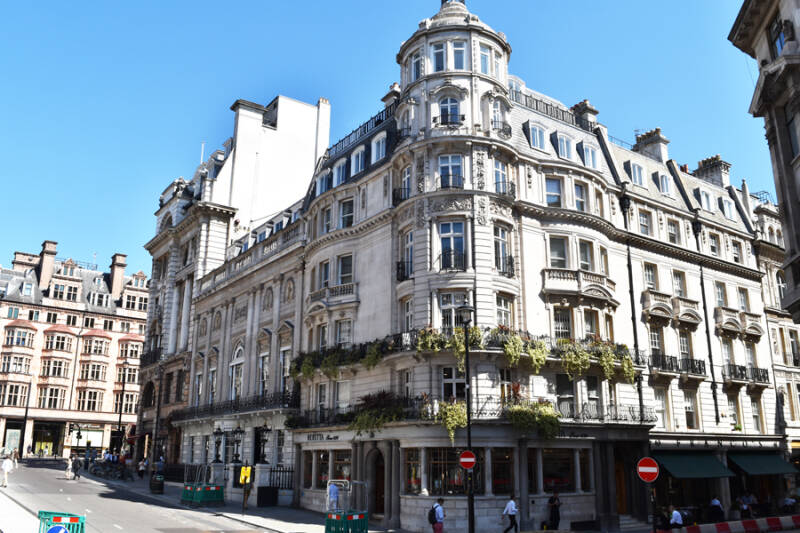
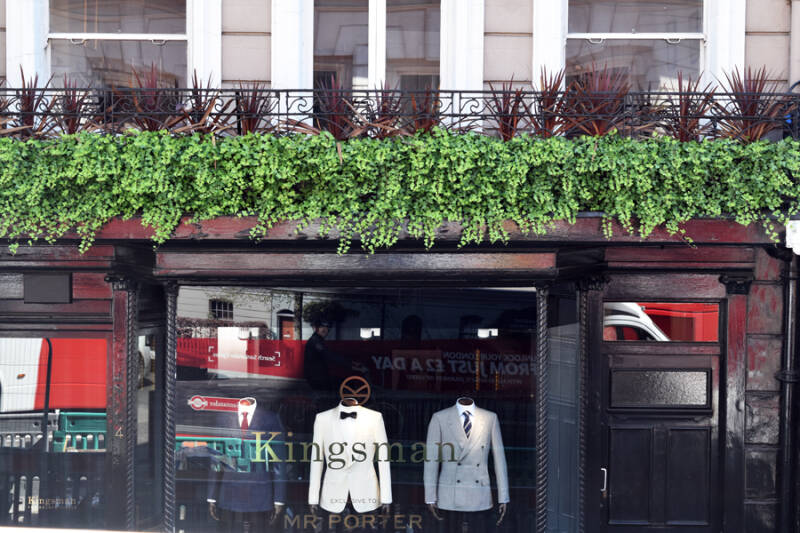
Oh, the Kingsman shop really does exist! And it has suits made for the perfect figure of the wonderful Mr. Darcy Colin Firth.
And finally, we make our way down to the Thames. The magnificent Palace of Westminster. It’s a shame that Big Ben and the building itself are undergoing restoration, but even under scaffolding, Parliament is impressive.
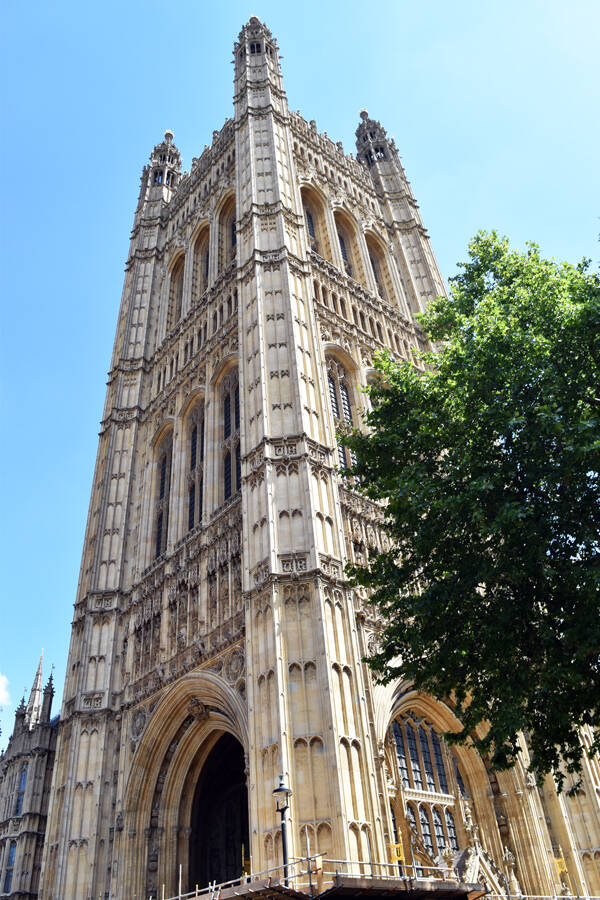
Here we hopped off our bus to take a proper look around and explore the area on foot. Westminster Abbey is simply divine, in my opinion.

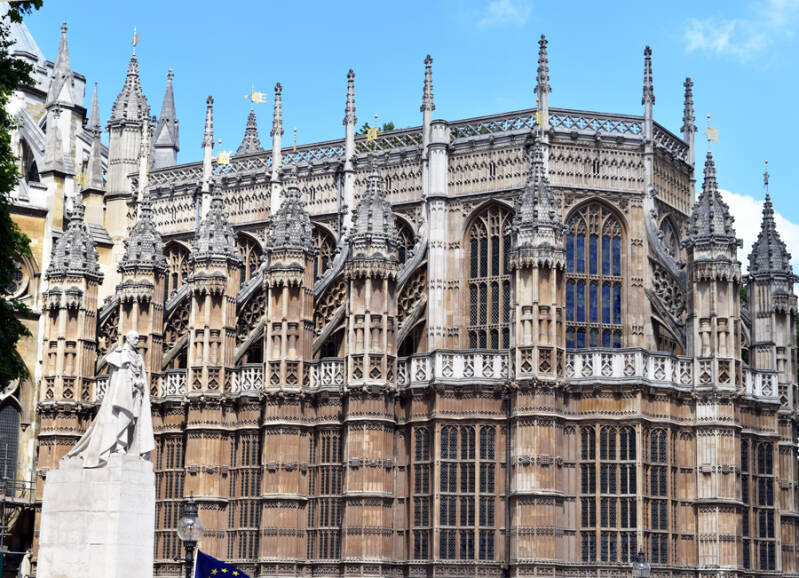
I was absolutely determined to visit it, but, I confess, the mere sight of that enormous queue, standing motionless under the blazing sun, brought back the nausea I had experienced in Death Valley. Sadly, we had to abandon the idea of going inside.
We move on. Churchill.
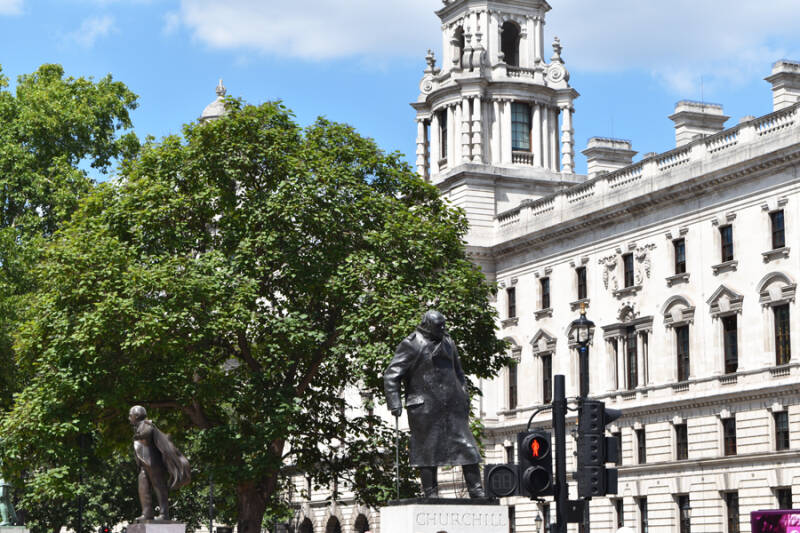
Rounding the Houses of Parliament, we made our way onto the bridge across the Thames.
And here, on Westminster Bridge, I was finally overwhelmed by it all — London is so beautiful!
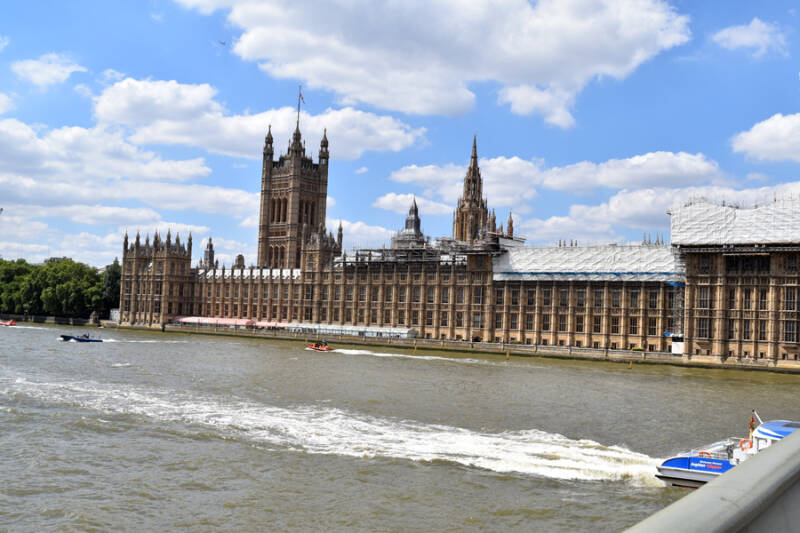
I’ve been to many European capitals, but London is incomparable.
On the other side of the river…
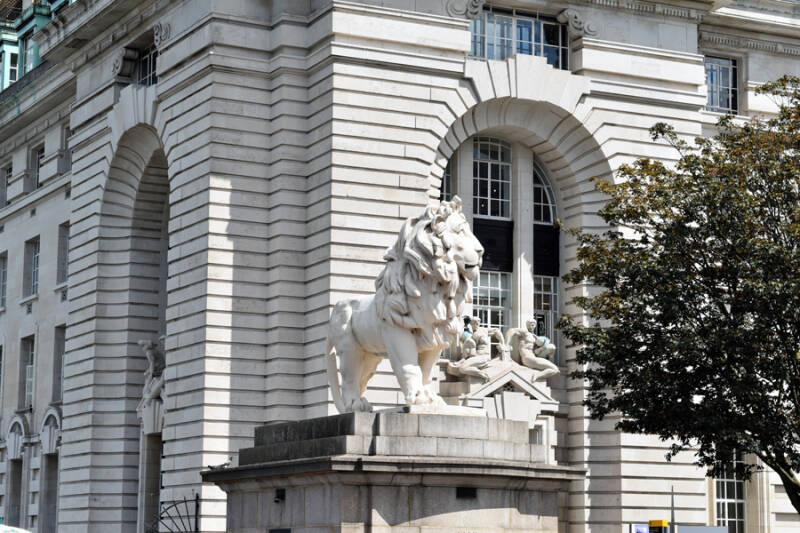
We crossed the Thames and walked to the museum Arseny had been dreaming about since the very first day of our trip — the Imperial War Museum.
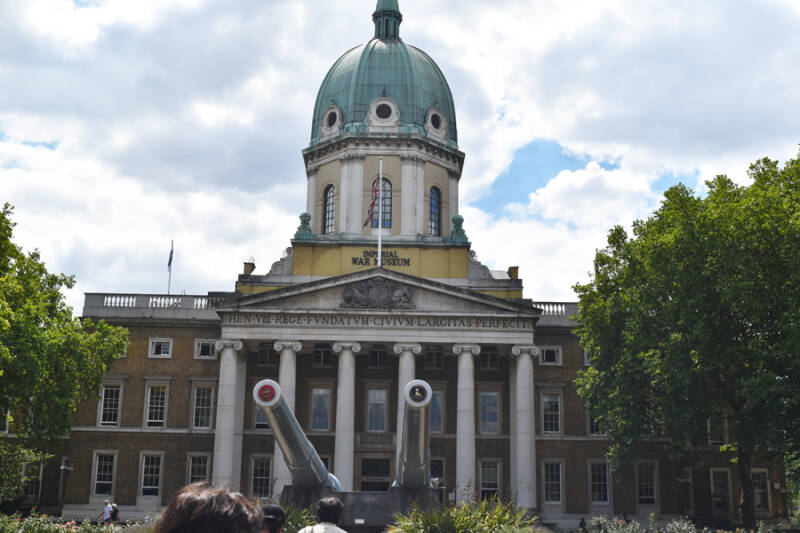
Yes, this was a very appreciative visitor. He was practically ready to hug all those submarines. He stopped at every display, reading everything.
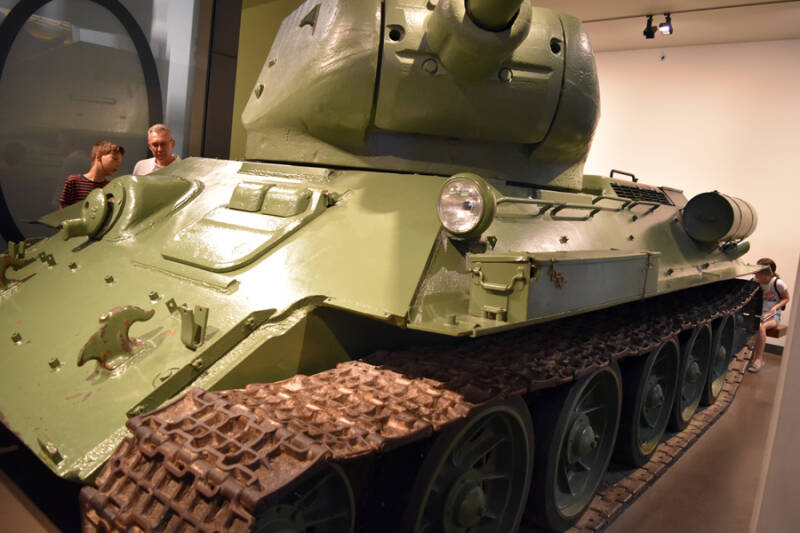
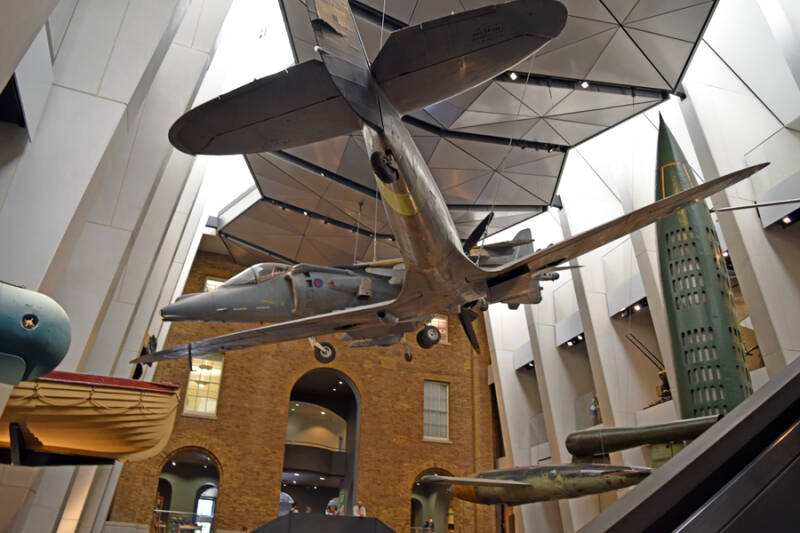
He wanted to buy half the gift shop and swore he would carry the enormous five-kilogram book on military technology himself. Eventually, he accepted that the book could simply be ordered from Amazon and delivered to our home, and settled for a few small, thin paperbacks.
There’s an excellent restaurant at the museum. We had lunch and headed out to explore again.
If the previous day had been unbearably hot but at least overcast, which offered some relief from the heat, this day was completely clear, and the sun was absolutely relentless. Oh, the heat...
We made our way back to the Thames, but this time to a different bridge, by Shakespeare’s Globe. The modern part of the city reminded us of Vancouver in some ways.
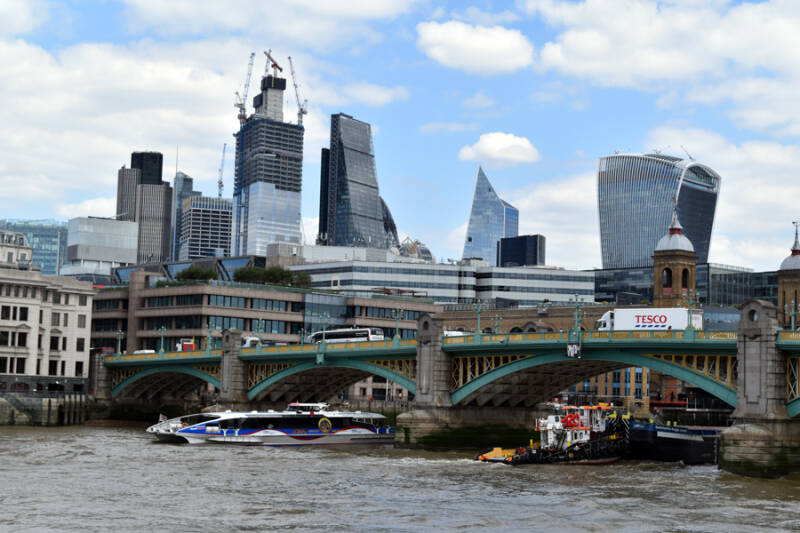
We crossed over to the northern side of the river. More beauty.

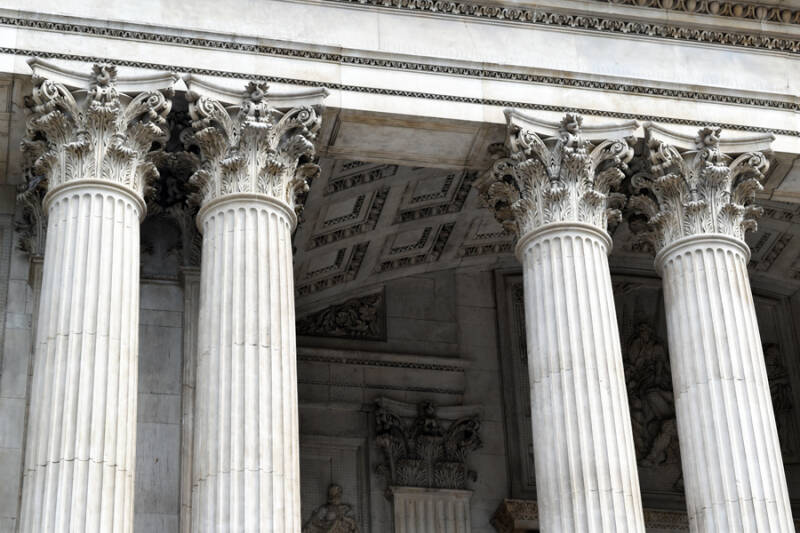
And there it was — St Paul’s Cathedral. Grand. Magnificent.
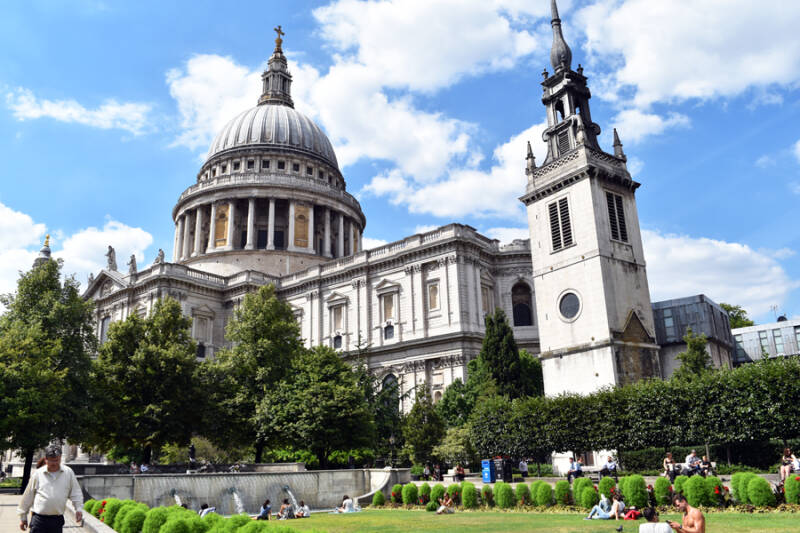
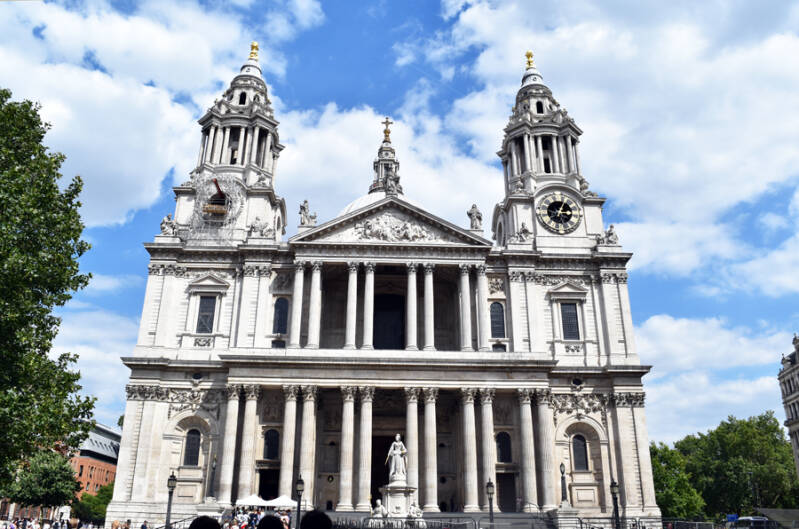
We walked a little more through the central streets, then hopped back on the sightseeing bus. We crossed the Thames once again,
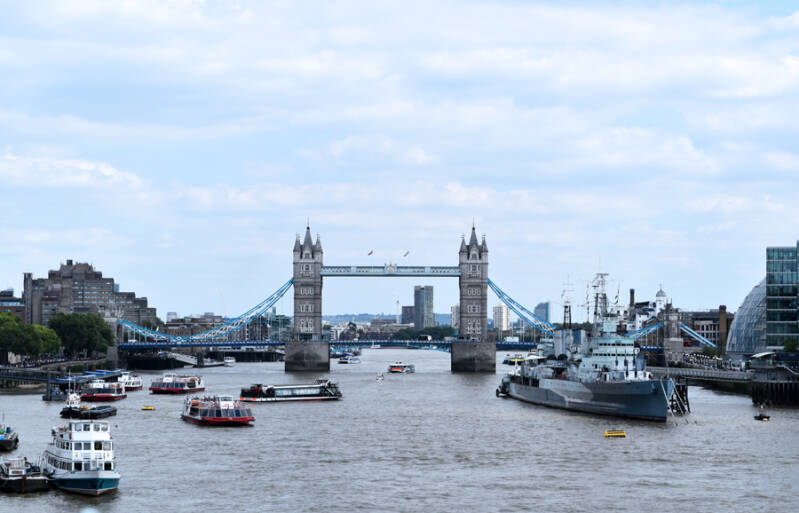
drove over Tower Bridge,
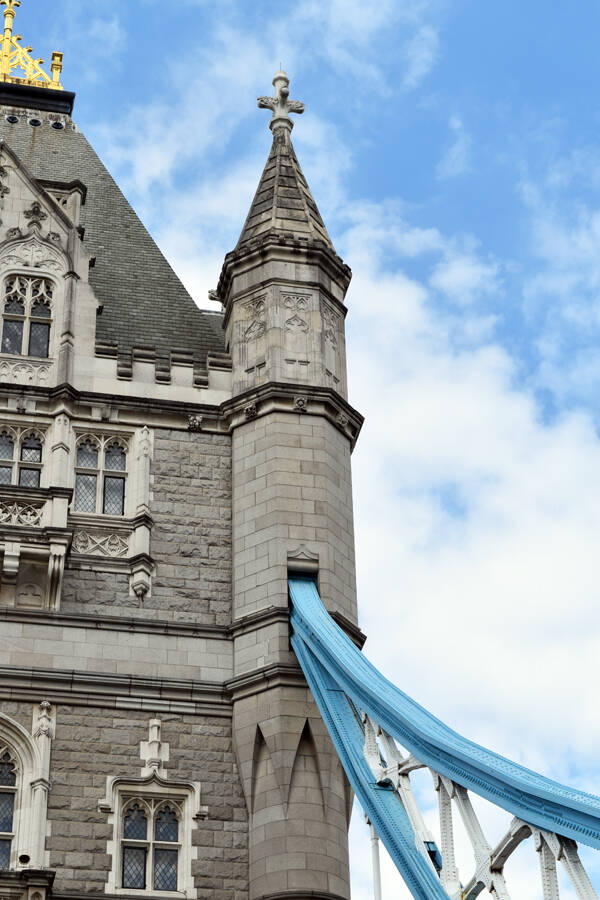
and then past the Tower of London.
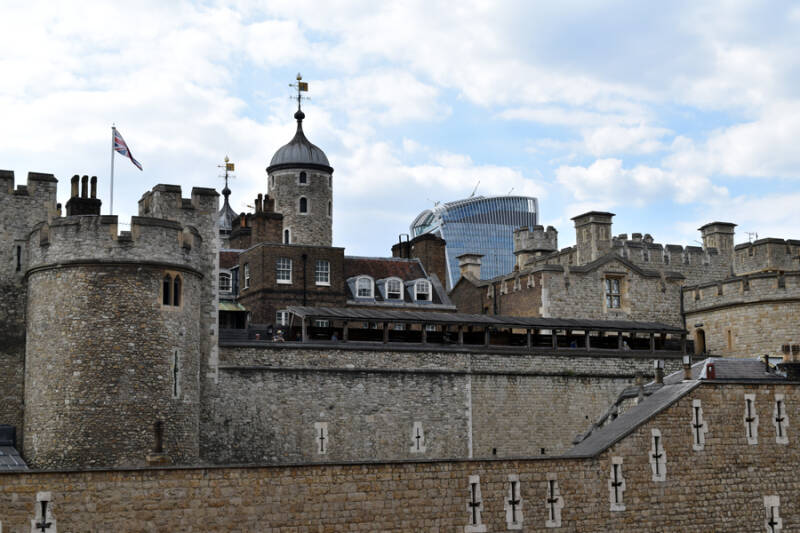
We listened to fascinating stories.
Fascinating, but brutal. If you think these lovely double-decker buses have air conditioning, think again. Downstairs is a sauna. Upstairs is a frying pan.
The Women of World War II Memorial.
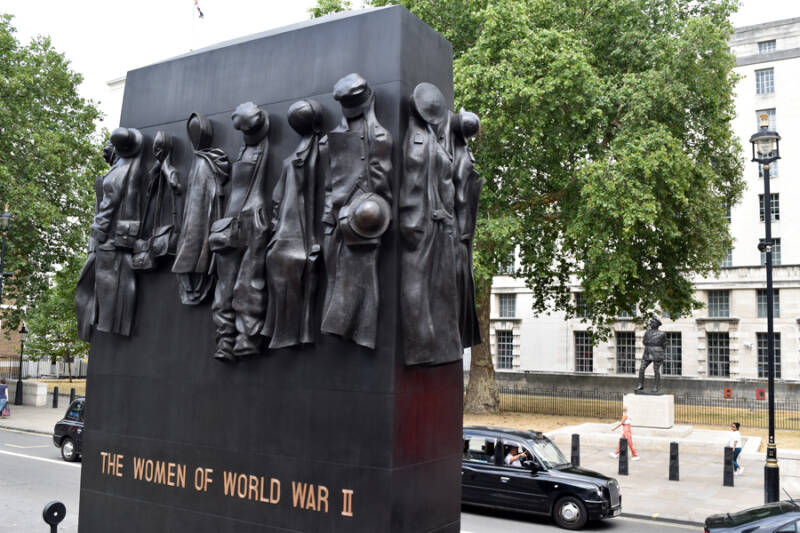
We got off at the final stop and simply wandered around the city until we were exhausted.
Speaking of the number of people…
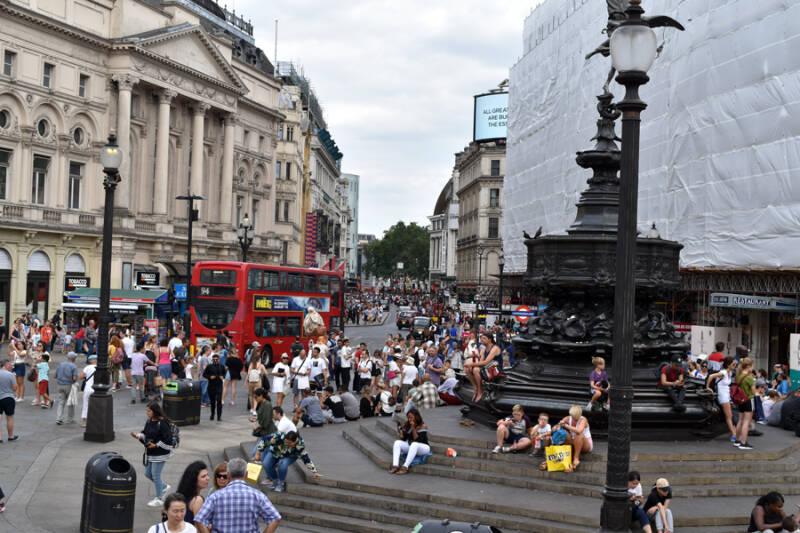
We walked around for a while, and then, once again, took the Tube back to the hotel, showered, and went to sleeeep.
Day Nine
We got up early, hoping to enjoy at least a little walk around the city before the heat set in. Ha-ha.
We walked to Baker Street
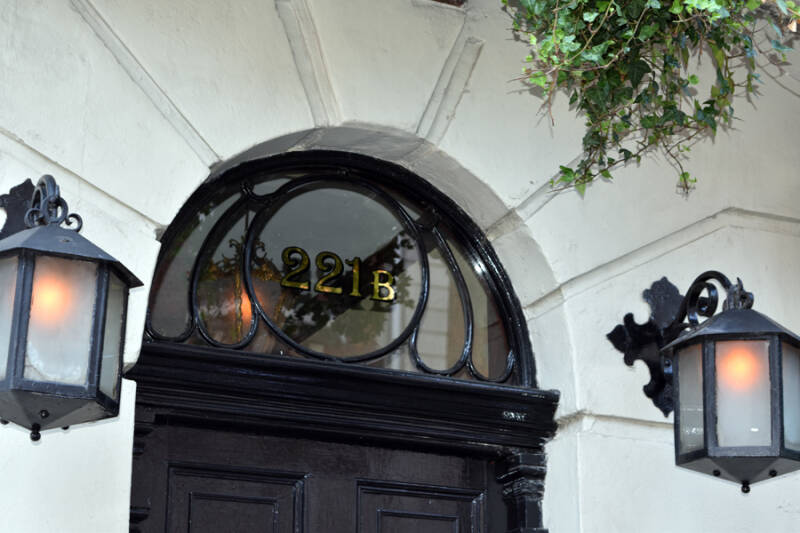
Arseny had managed to read a couple of Sherlock Holmes stories and watch a couple of episodes of the series, so he was already familiar with the basics. As for us, we’ve loved Sherlock Holmes since childhood, and of course we love Benedict Cumberbatch too. He’s the best.
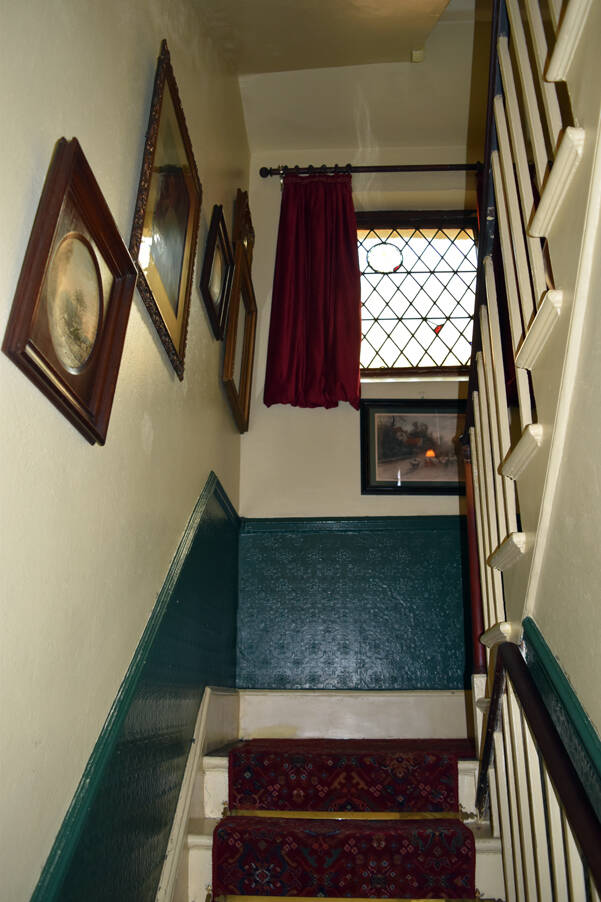
Like all the guest houses, Mrs. Hudson’s townhouse is remarkably tiny. God, the rooms in England are small!
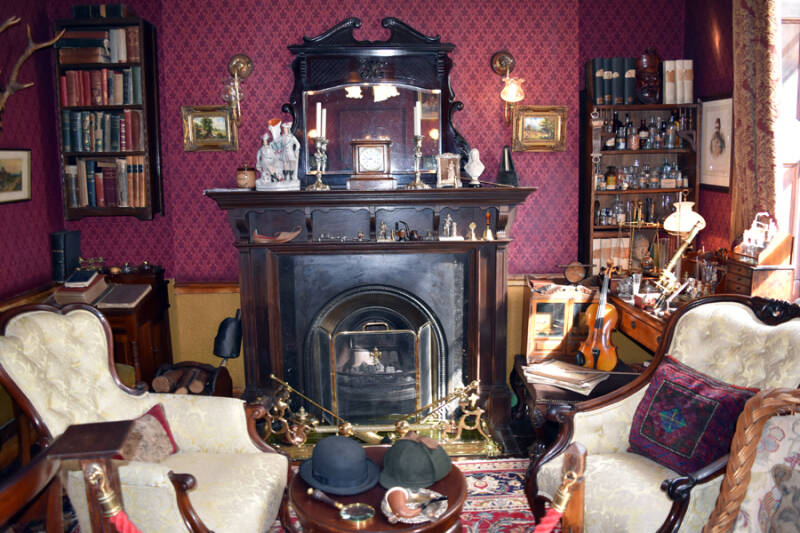
Such narrow little staircases, such tiny little rooms!
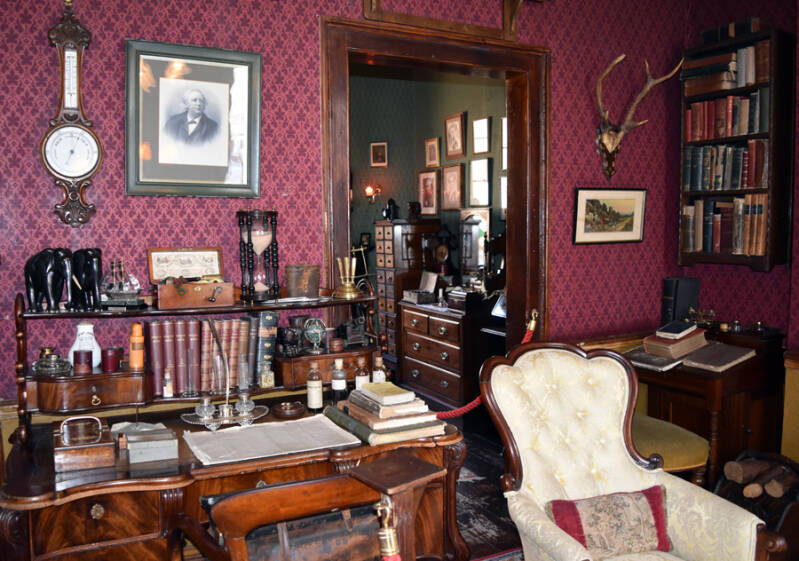
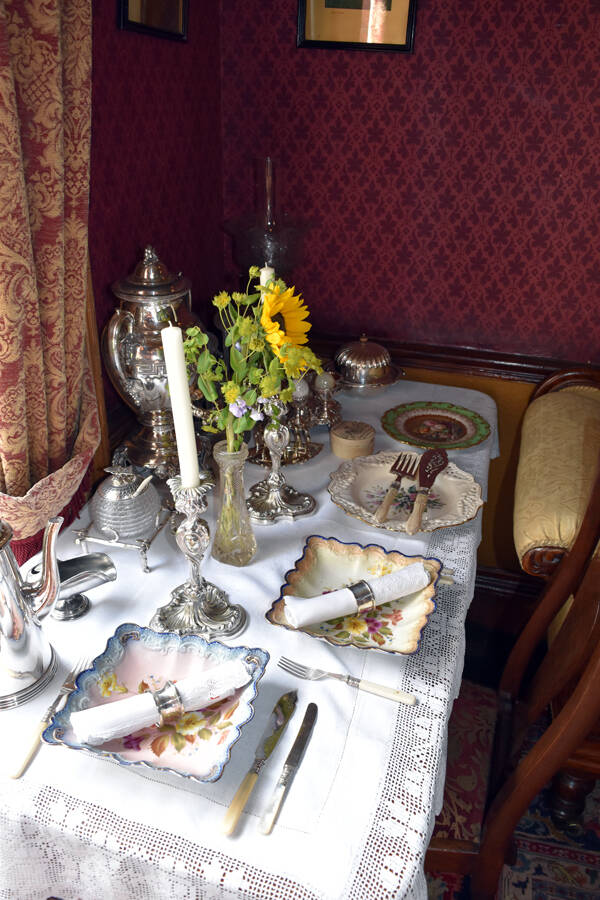
Arseny bought himself a bunch of deduction puzzles and disappeared into his own little world for half a day.
After the museum, we wandered around the city simply for the pleasure of it. Block after block. And the beautiful buildings just kept coming.
We had a feeling that after all these days, we must have lost at least a couple of kilos. So when Arseny pointed out an assortment of cakes, we had absolutely no grounds to object. Mmm. Delicious. We still remember how good they were.
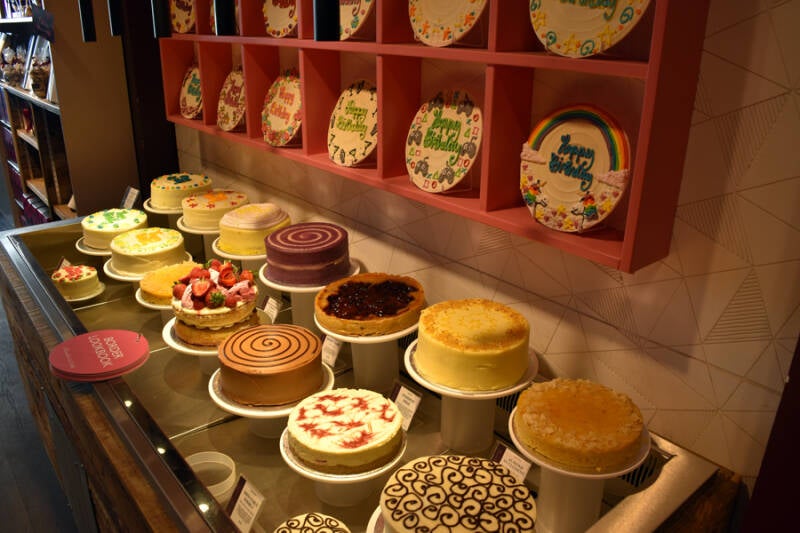
We walked to the National Gallery and spent a long time there.
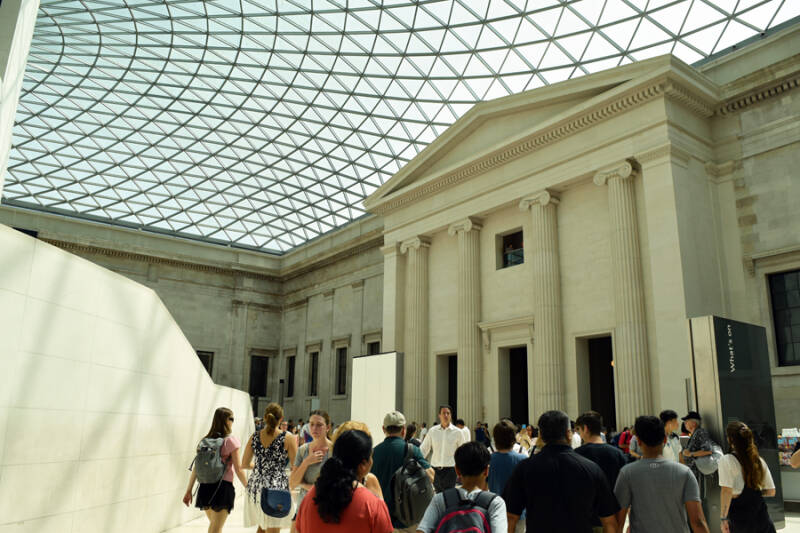
Of all the museums we visited in London, the National Gallery was my favorite. It had absolutely everything. Magnificent!
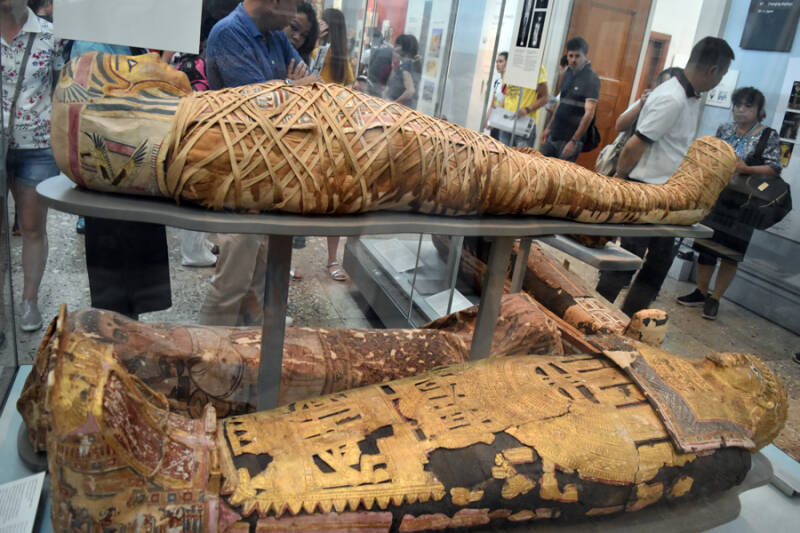
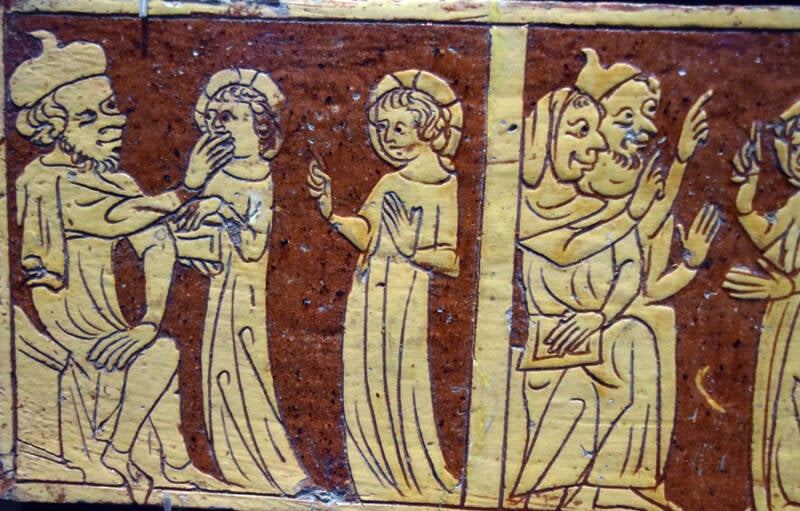
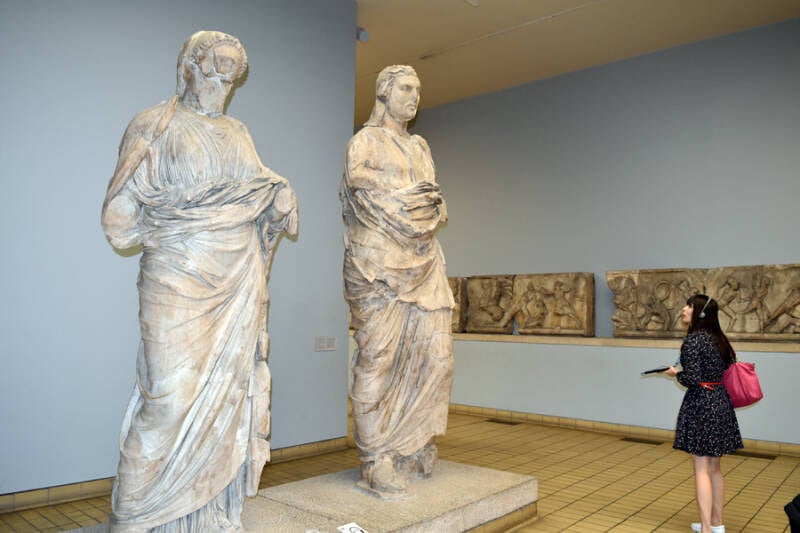
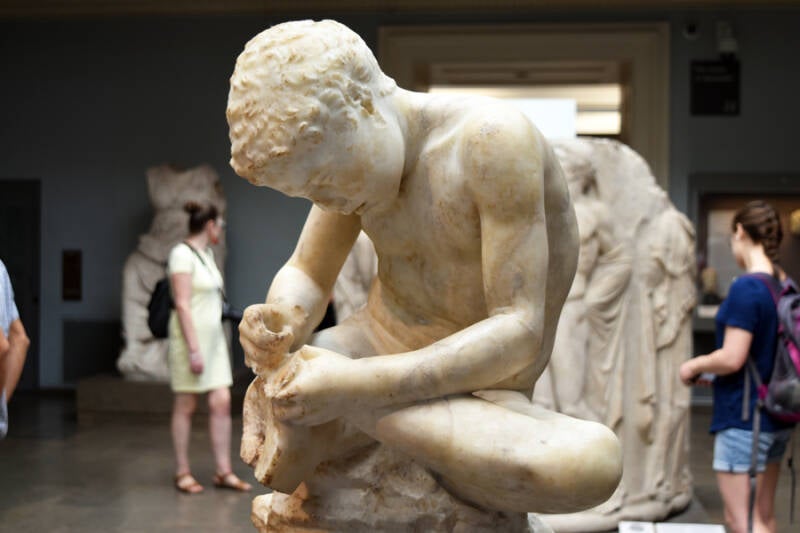
The Rosetta Stone features in several of Arsya’s favorite books. How amazing to see the stone itself with our own eyes! And the story of Jean-François Champollion himself!
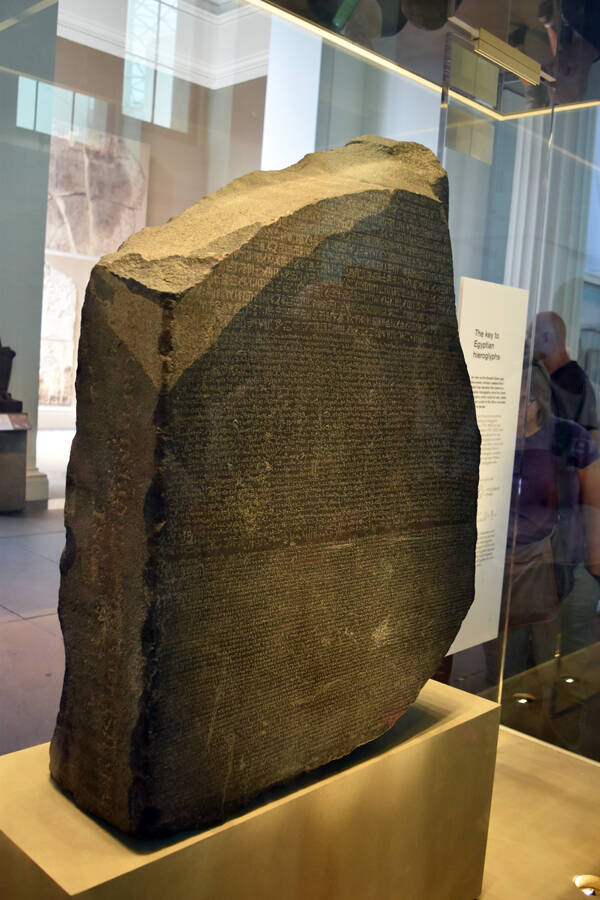
And then we continued our leisurely walk through the city.
The atmosphere:
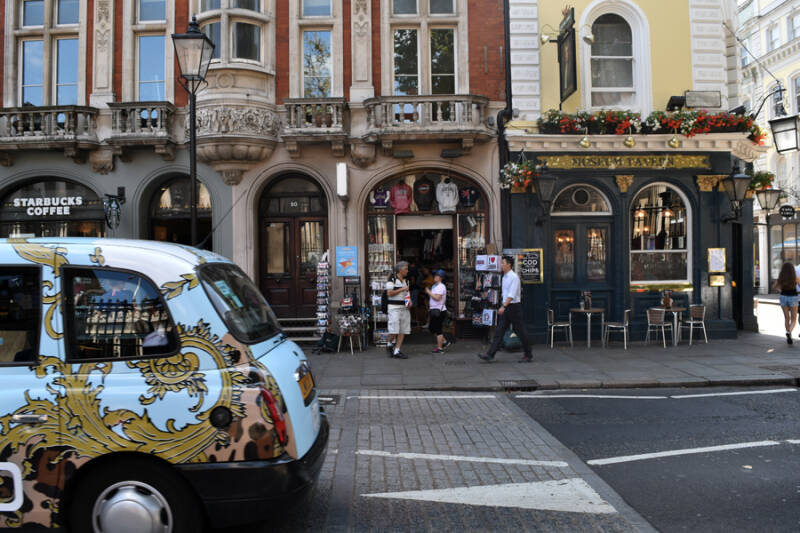
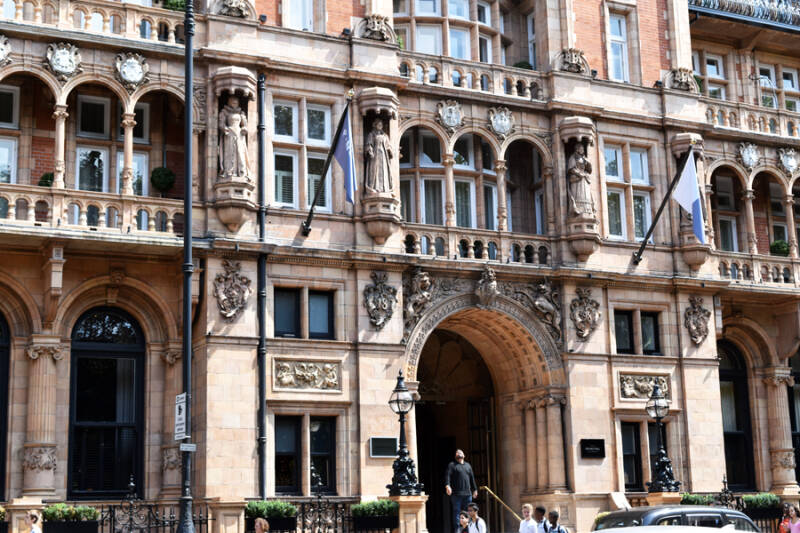
More beautiful with every step. Now that’s architecture.
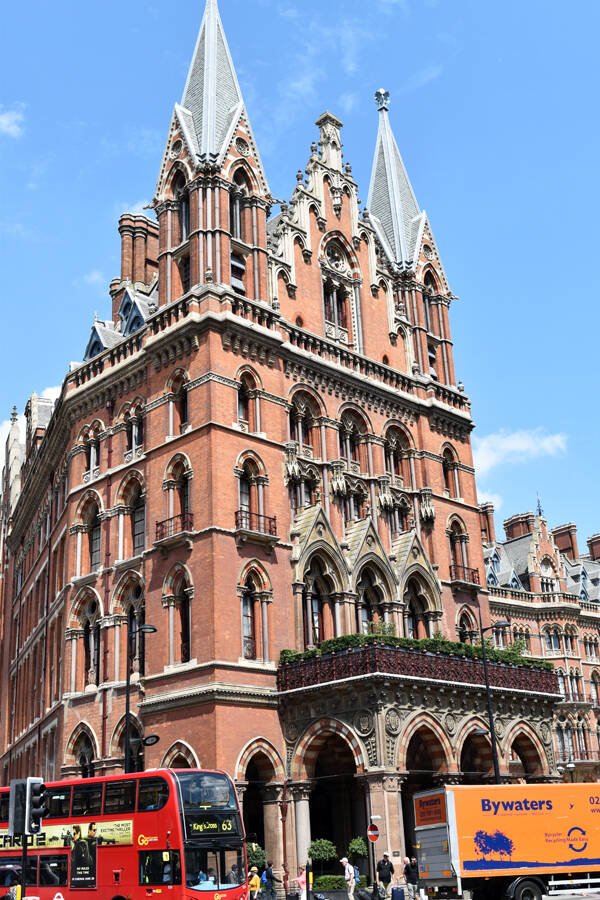
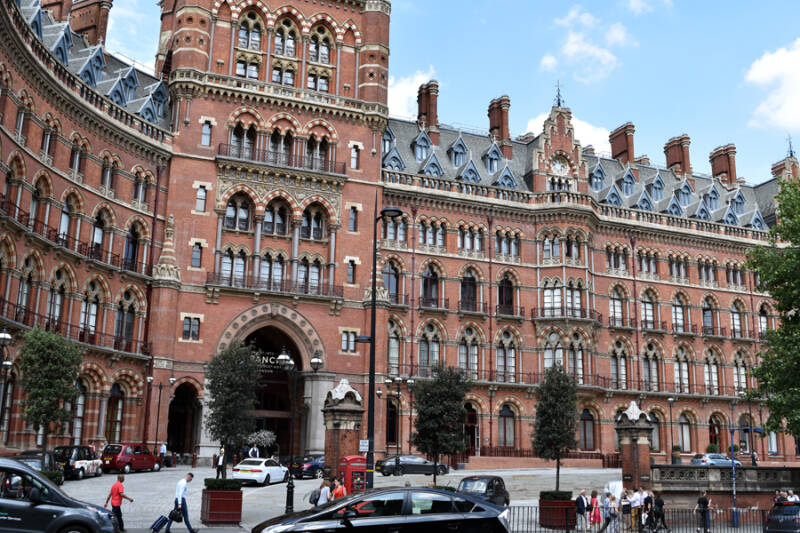
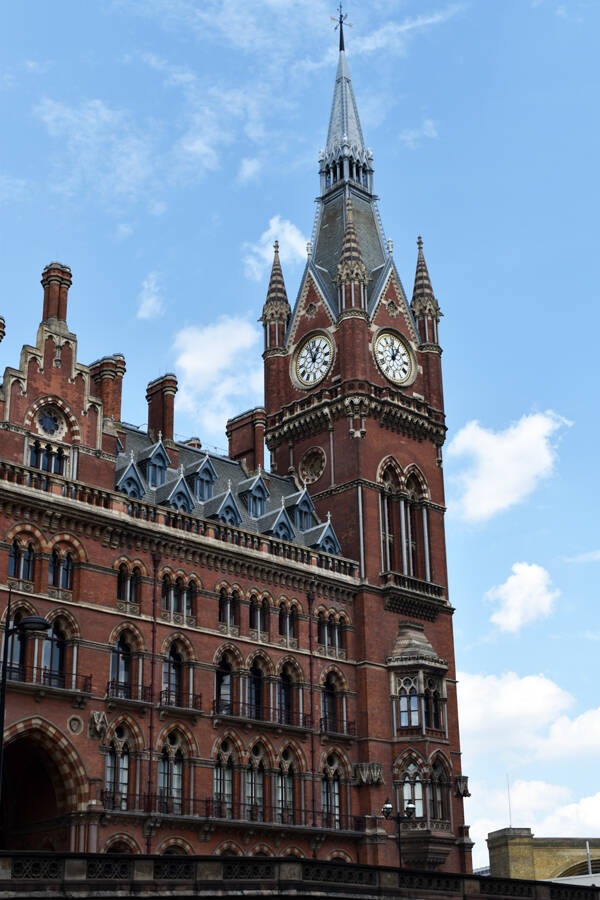
Before long, we made our way to King’s Cross Station.
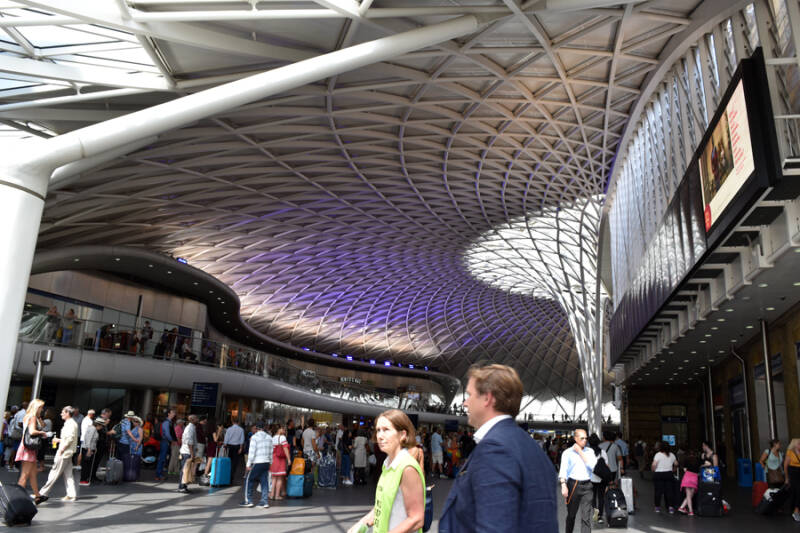
Just two or three years ago, Arseny would have been thrilled by this place. Now it’s only me, the eternal child, who gets to enjoy it. For Arseny, all of this is just children’s stories and nothing serious. :) Well, so be it.
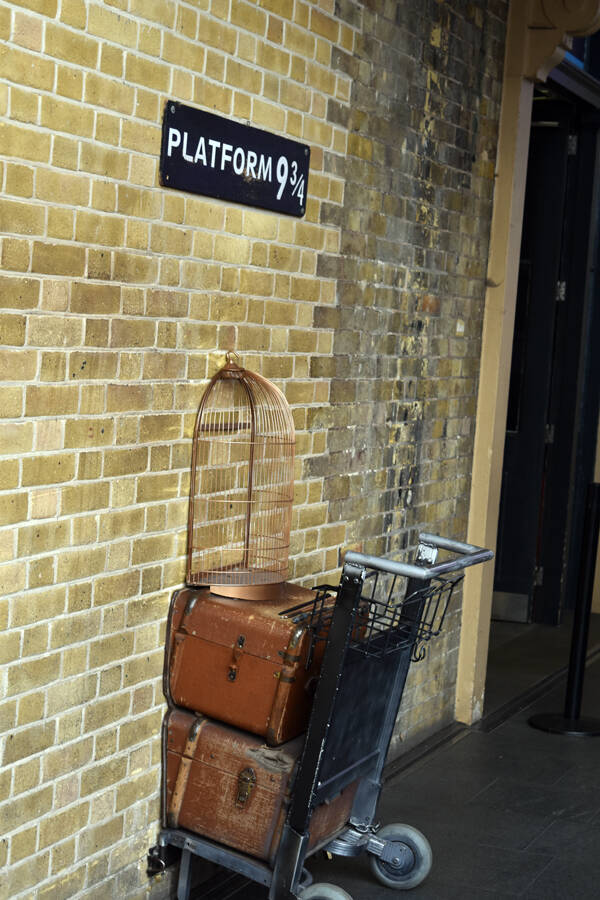
We found a restaurant nearby, had lunch, and then headed back to the hotel. We absolutely did not want to descend into the Tube, so we took a taxi instead. And believe it or not, the taxi ride cost less than the three of us taking the Tube. But do you think London taxis have air conditioning? Ahahaha!
We spent the evening packing and wrapping up our souvenirs.
In the morning, we got into the car and drove through the still-sleeping center of London. One last time, we enjoyed the beautiful views of the city and watched the sunrise over the Thames.
I think we had a wonderful trip. Thinking back on it lifts my spirits and makes me smile.
Create Your Own Website With Webador